
Erasmus visit to Croatia
Assoc. Professor Jolita Greblikaite (Faculty of Bioeconomy Development) was teaching under Erasmus+ mobility programme at University of Dubrovnik, Croatia during 29-31 November, 2019. The co-operation between institutions was already established earlier. Prof. Ivona Raguz is a member of the scientific International conference „Rural Development 2019“. Profesors from Dubtovnik University are actively working as visiting profesors. The International conference of Economics „DIEM“ is organised each year. It includes and management themes.
Presentation of scientific research results in the international scientific conference in Lisbon
Researchers of the Faculty of Bioeconomy Development, Research Institute for Bioeconomy professor V. Vitunskienė, associate professor D. Makutėnienė, lector N. Ramanauskė and PhD student E. Besusparienė participated in the 29th Eurasia Business and Economics Society (EBES) international scientific conference, which was held on 10–12 October, 2019 in Portugal, Lisbon. It was attended by scientists from 52 countries (Bulgaria, Denmark, India, Indonesia, Poland, Spain, Turkey, United Kingdom, etc.), who presented their research results in the fields of Accounting, Audit, Banking, Investment, Marketing, Growth and Development, Political Economy, Public Economics, etc.
Scholarsof the Research Institute for Bioeconomy made presentations on bioeconomy development issues. The presentation by prof. V. Vitunskienė was ,,Spatial Concentration of Biomass Production Activities in the European Union“, assoc. prof. D. Makutėnienė presented ,,The Impact of Agriculture on the Natural Environment in Terms of Resource Use and GHG Emissions“, lect. N. Ramanauskė presented the paper prepared together with prof. V. Vitunskienė ,,Spatio-Temporal Assessment of Biomass Self-Sufficiency in the European Union“. PhD student E. Besusparienė presented the results of the empirical research from the part of the dissertation devoted to the modelling of fertilizer tax and made presentation ,,The Assessment of Factors Affecting Fertilizer Use on Family Farms in Lithuania”.
Participation in the conference was financed by the Research Council of Lithuania from European Social Fund under the Operational Programme for EU Structural Funds Investments for 2014–2020, by the Faculty of Bioeconomy Development and by EU Erasmus+ Programme. PhD student participation in the conference funded by the Research Council of Lithuania under the support for PhD student academic travel.


VISIT TO SLOVAKIAN AGRICULTURE UNIVERSITY IN NITRA
Prof. Astrida Miceikienė from the Research Institute for Bioeconomy (Faculty of Bioeconomy development) visited Slovakian agriculture university in Nitra on 30/09/2019 – 04/10/2019. She came to this University for teaching visit and participated in the celebration of 60th anniversary of the foundation of the Faculty of Economic and Management. This events attended 480 guests from 16 countries, 30 partner faculties and university and 27 business partners http://www.fem.uniag.sk/en/news-reader/items/celebration-of-the-60th-anniversary-of-the-foundation-of-the-fem-sua-nitra/
Astrida Miceikienė taught master students on the topics of tax and taxation of Lithuania and EU. During the visit the professor met with the researchers from the Faculty of Economics and Management, guests of the Faculty and discussed opportunities for cooperation. She presented study programs of the Faculty of Bioeconomy development and the possibilities for exchanges studies at Vytautas Magnus University Agriculture Academy. During the stay at the Faculty the possible cooperation in research, the inter-university cooperation within the framework of the Erasmus + program establish and strengthen the scientific cooperation were discussed with Dean of the Faculty prof. Elena Horska. Astrida Miceikiene was presented research fields at Faculty of Bioeconomy development, projects and research journals.

What factors could speed up the bioeconomy development? Have scholars around the world found the answer?
Climate change, depletion of biological resources worldwide, provision of food, clean water, energy to humanity becoming an increasingly hot issue – all of this urges for the innovations inherent to bioeconomy and offering an integrated approach towards economic development, social and environmental sustainability in agriculture, forestry and aquaculture.
Currently, the European bioeconomy market accounts for about EUR 2.4 trln using about 2 bln tonnes of biomass for production and creating jobs for about 22 mln people. According to the forecasts by the Organization for Economic Cooperation and Development (OECD), bioeconomy is expected to become the core principle of the European economic development by 2055.
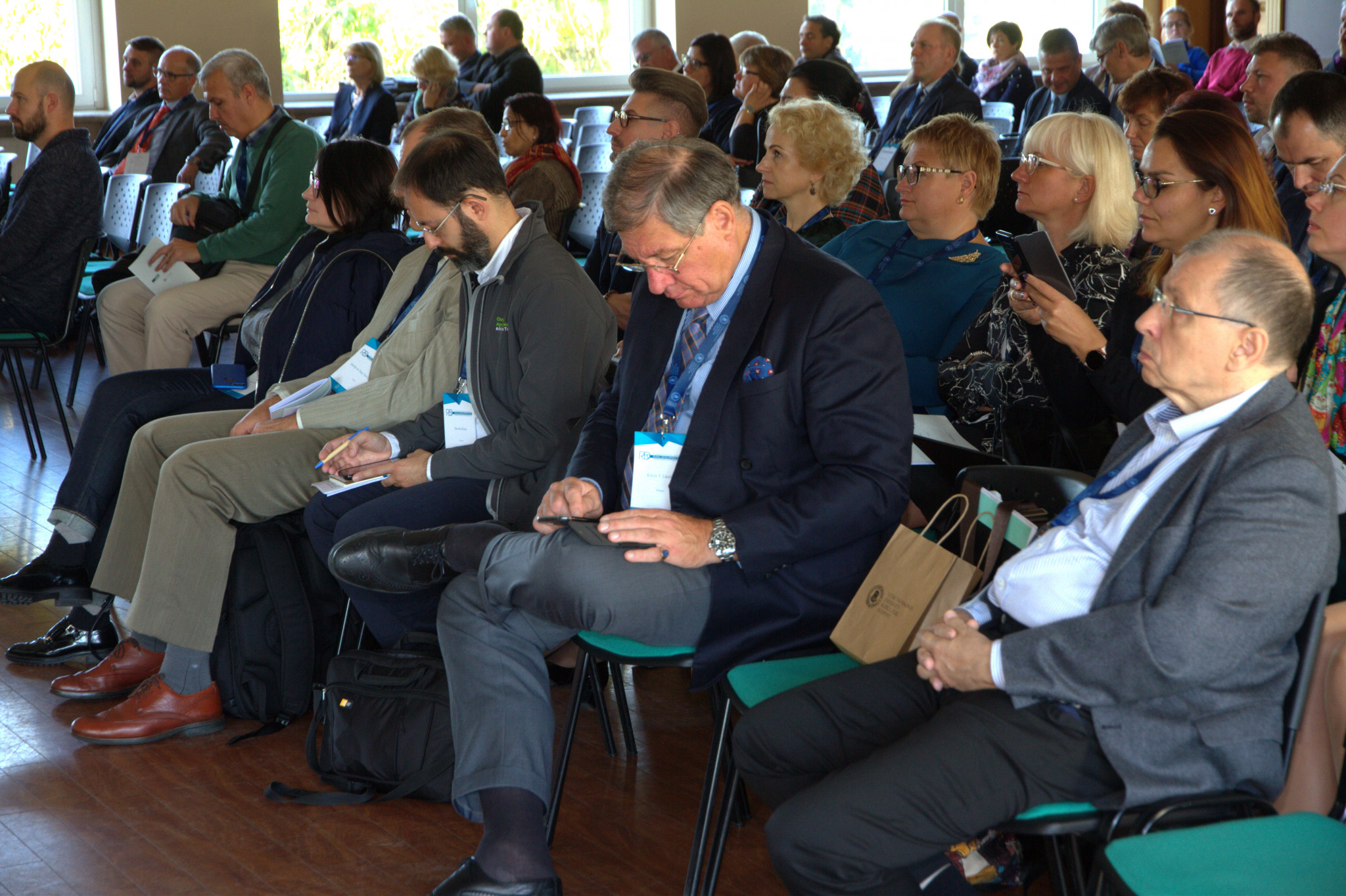
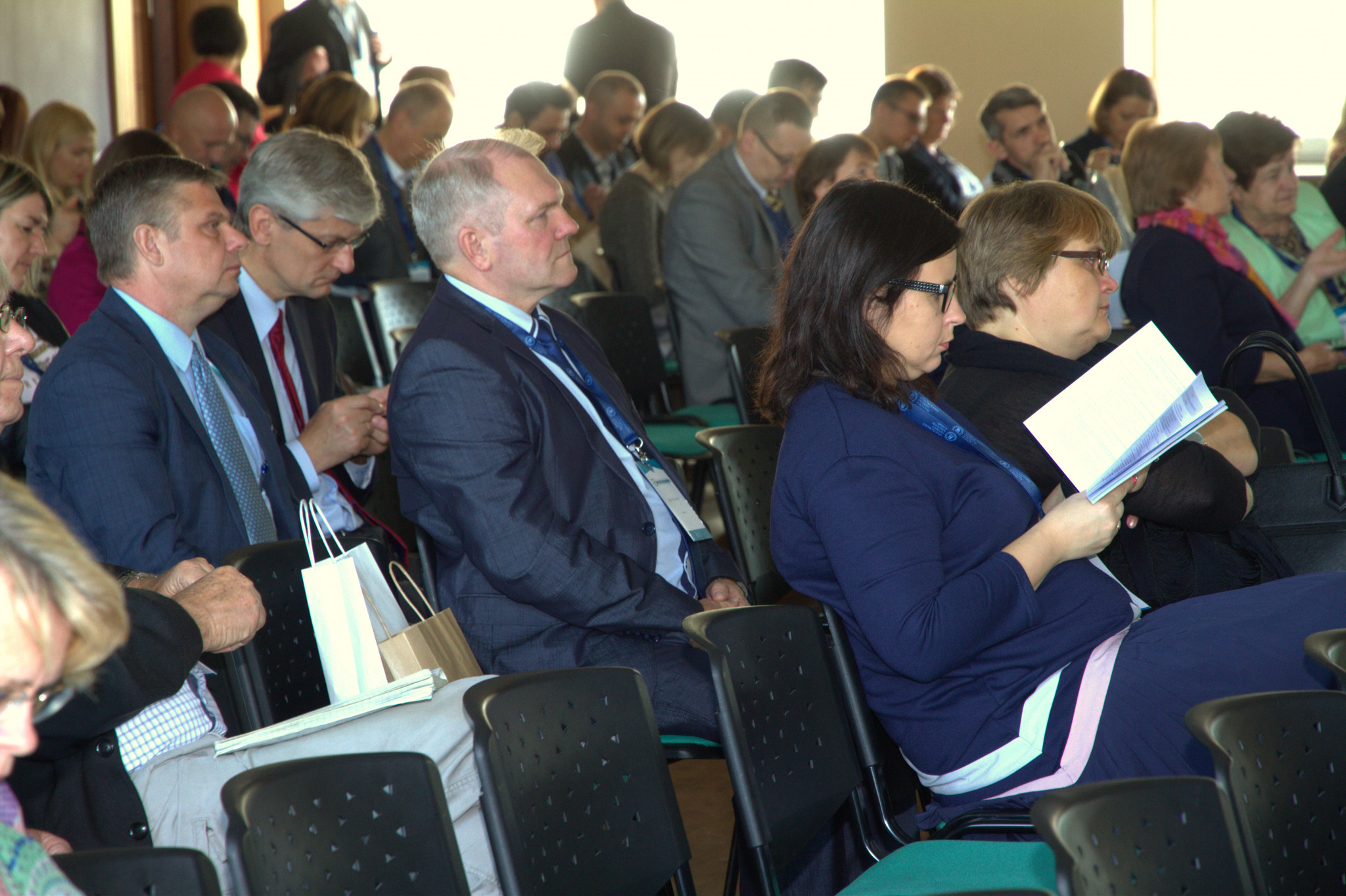
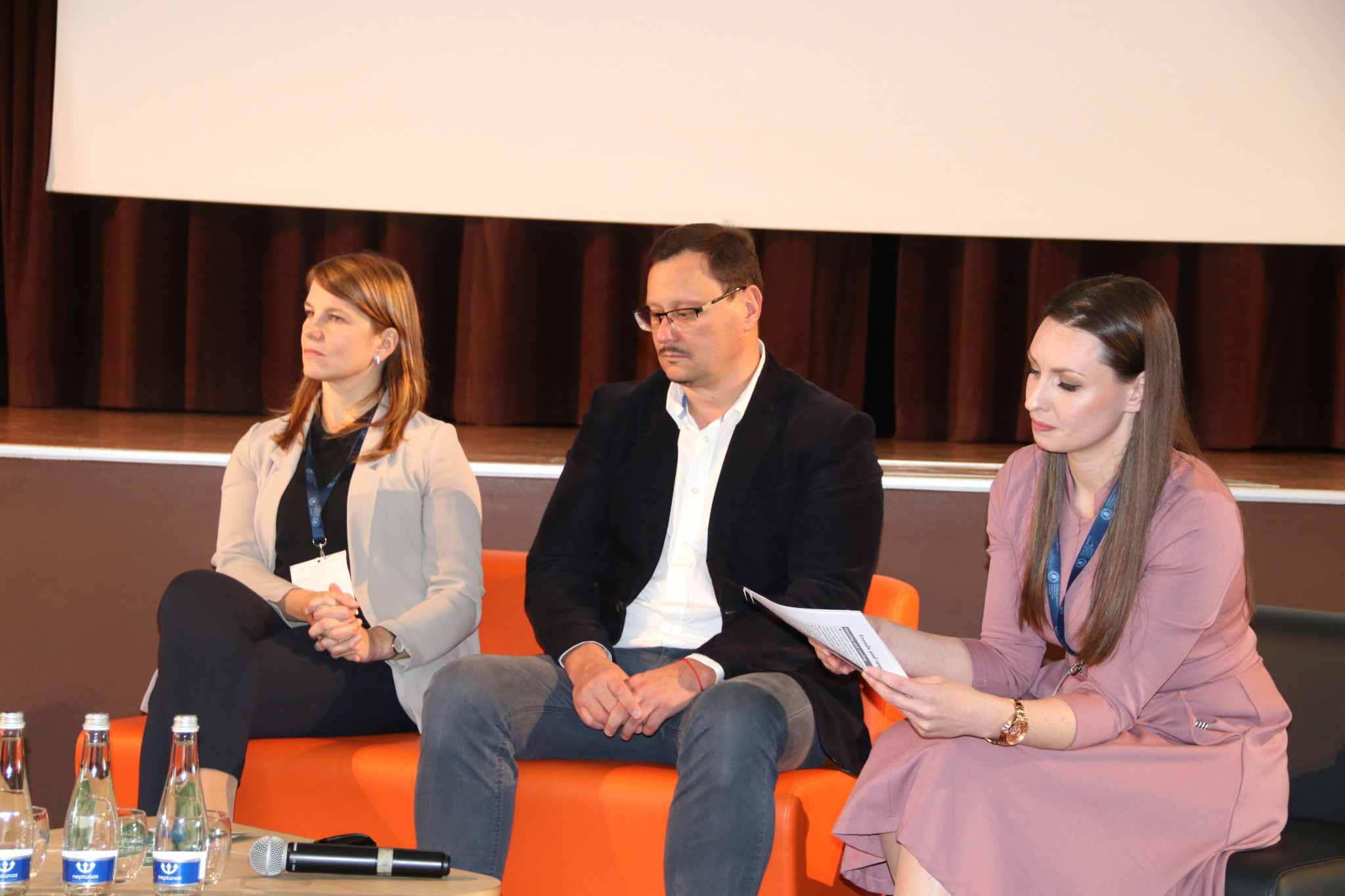
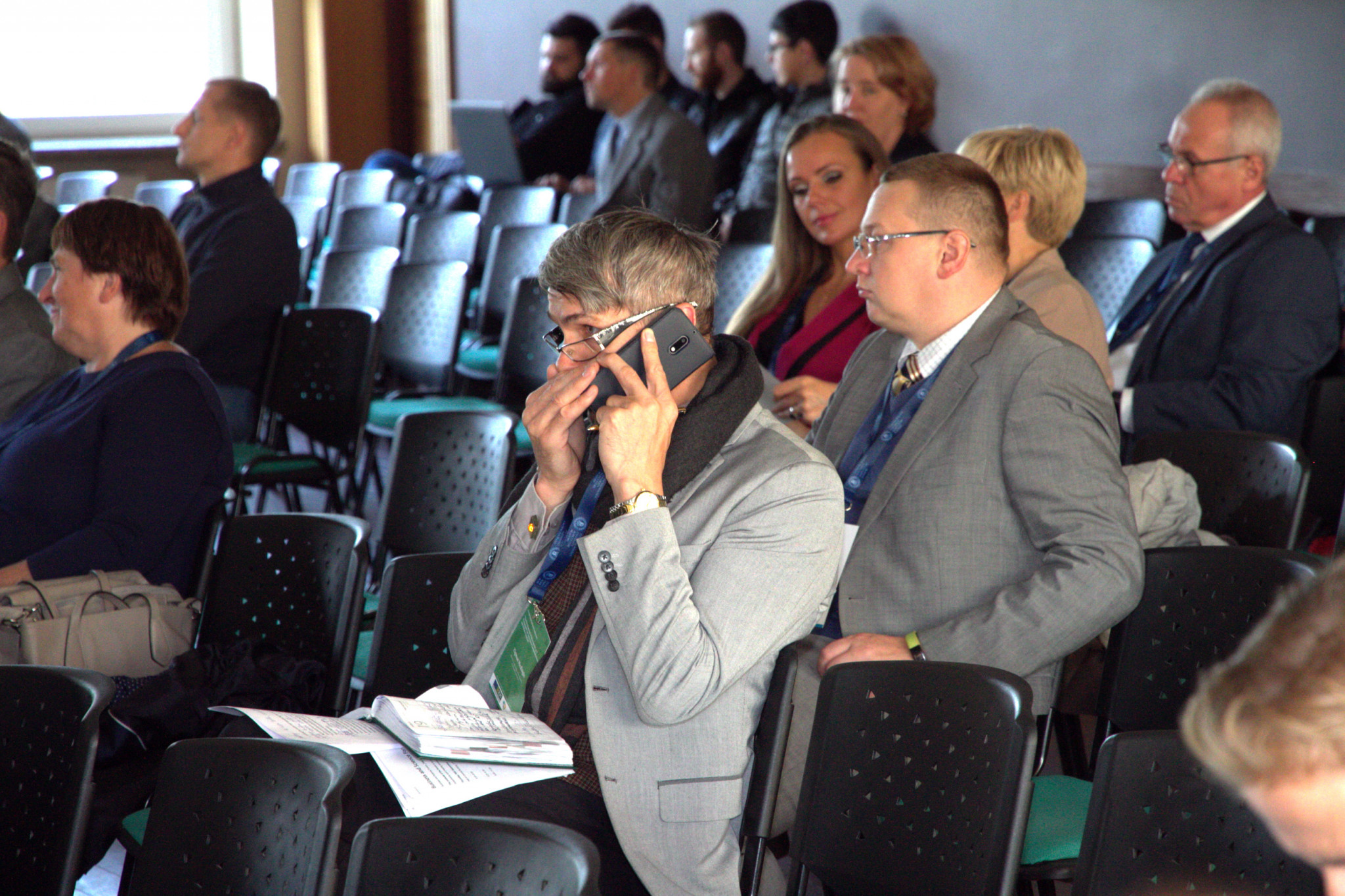
In the week of Global Climate Strikes, on 26 – 28 September, scholars from 28 different countries all over the world gathered in Kaunas to address the global climate change issues and explore the options. For 3 days, 200 global experts were discussing the topical questions in this field proposing social and economic innovations to speed up the process at the International Scientific Conference “Rural Development 2019: Research and Innovation for Bioeconomy” hosted by Vytautas Magnus University Agriculture Academy (VMU Agriculture Academy).
“We have arrived at the conclusion that social innovations are as important as technology innovations, as the former would enable including the entire society into bioeconomy development. However, the issue we are facing today is that social capital is declining in rural areas, and this has been confirmed both by Lithuanian and foreign scholars. We therefore must work together to explore the methods to help improve the situation,” firmly states prof. Vilma Atkočiūnienė at the Faculty of Bioeconomy Development of VMU Agriculture Academy, who is one of the event organizers.
The scholar has noted that the event held at the international scale has doubtlessly provided its participants with new ideas for research, expanded the boundaries of understanding of the importance of bioeconomy, encouraged them for more active international collaboration.
The Business and Science Forum “Bioeconomy Development as the Prerequisite of Long-Term Competitiveness and Wellbeing” was also held during the Conference and involved discussions among representatives of the state, research institutions, business, farmer self-governance organizations. The discussions were aimed at finding answers to the question of strengthening collaboration between economy developers, society, and align it with the environmental expectations, and how social innovations may contribute to improvement of viability of regions.
Discussion of the small farm issues proposing the tools for preserving their sustainability was under particular focus during the conference. The participants were analysing the economic, social and environmental aspects of development of small farms, discussing about the contribution of small farms into the efforts towards sustainability in the agricultural and food sectors in Lithuania, Poland, the Czech Republic, Turkey, Romania, Serbia, and Moldova.
Commenting on the country’s bioeconomy situation, Rimantas Sinkevičius, Chairman of the Committee on Economics at the Seimas, has noted that, today, everyone must feel responsible for the future, because each of us is facing the challenges of climate change and the Fourth Industrial Revolution. Therefore, there is no doubt that the only right path for sustainable development of humanity lies in promotion of bioeconomy and lengthening the chain of use of natural resources, generating the maximum possible economic and environmental effect.
“Alas, Lithuania is not yet among the leading countries able to present plenty of bioeconomy development outcomes. As you are eye witnessing the huge piles of logs or grains to be exported, you are realizing that we are still far from understanding what bioeconomy actually is,” claims R. Sinkevičius.
Prof. Astrida Miceikienė, Dean of the Faculty of Bioeconomy Development of VMU Agriculture Academy and Chair of the organizing committee of the Conference “Rural Development 2019: Research and Innovation for Bioeconomy” has noted that it is not a coincidence that bioeconomy development is currently one of the topical issues across the globe, as the societies are facing increasingly more challenges related to climate change. Moreover, the stocks of fossil natural resources are becoming depleted inevitably. Bioeconomy covers sustainable production of renewable biological resources and processing of the resources and waste flows into added-value products: food, fodder, industrial products of biological origin, bioenergy. Agricultural, forestry, fishery, food, pulp and paper production, as well as a part of chemistry, biotechnology and energy industries could participate in development of this branch.
“Bioeconomy is not an autonomous economy sector – it is a multi-dimensional mechanism involving not only agriculture, industry, but also the service sectors and consumers. It is therefore necessary to bring education of the society into the focus,” claims A. Miceikienė.
As a result, in terms of the content, the conference consisted of several segments: agro-innovation and food technologies; biosystem engineering and environmental sustainability; multi-functional method of sustainable exploitation of biological resources; social research and innovations in bioeconomy, aimed at sustainable changes and wellbeing in rural areas.
During the conference, the world-renowned scholars such as Karlheinz Knickel, Germany, Davide Rizzo, France, Talis Tisenkopfs, Latvia, delivered their presentations at the Conference. More than 100 research evidence-based presentations were delivered in total at the conference on different relevant topics.









Congratulations on the beginning of the new academic year
Dear community of the Faculty,
Congratulations to everyone on Science and Knowledge Day, the beginning of new works and the continuation of existing ones. Let this academic year at our Bioeconomy Development Faculty be promising, exciting, contentful, developing science-based and knowledge-based being. Let us be curious, active members of the community, inspirers of sustainable activities for each other and creative solvers of new scientific, practical global problems. Good luck everyone!🍀
Dean prof. dr. Astrida Miceikienė
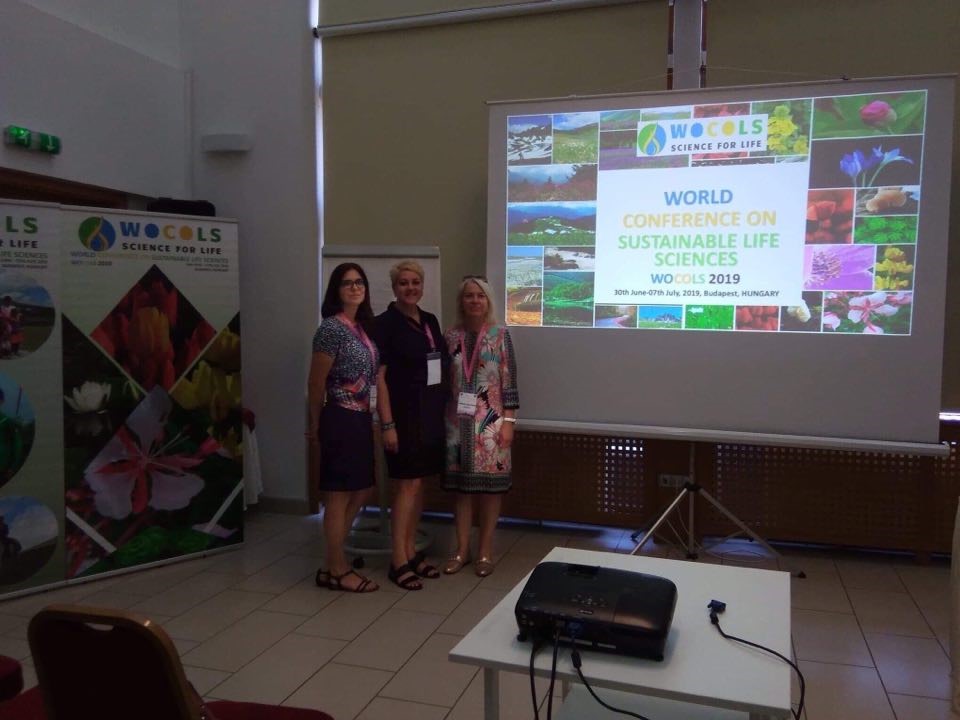
International Scientific conference “World Conference on Sustainable Life Sciences (WOCOLS 2019)” at Budapest
On June 30 – July 07, 2019 assoc. prof. dr. Jurgita Kulaitienė, lecturers dr. Dovilė Levickienė and dr. Nijolė Vaitkevičienė of the Department of Agriculture and Food Sciences from Vytautas Magnus University (VDU) Agriculture Academy, Faculty of Agronomy, were participating at International Scientific conference “World Conference on Sustainable Life Sciences (WOCOLS 2019)” at Budapest, Hungary.
The main organizers of the conference were scientists of the Department of Crop Science of Agriculture Faculty of Erciyes University, Turkey. The main purpose of this conference was to bring together researchers, scientists in universities, institutions to provide them a unique platform for sharing worldwide ideas as well as the recent developments on life sciences. It was possible to meet with scientists from different countries (Turkey, United States, Italy, Czech Republic, Iran, Georgia, Slovakia etc.) and to discuss various issues about food science opportunities, visions, and carried out studies.
During the conference, in the section “Agriculture” J. Kulaitienė made presentation “Carotenoid content and composition in rose hips (Rosa Spp.) during ripening”, D. Levickienė made presentation “The effect of the biodynamic preparations and harvest month of quality indicates in the leaves of white mulberry (Morus Alba L.) grown in Lithuania” and N. Vaitkevičienė made presentation “Influence of cultivar and different farming systems on the contents of flavonoids in potatoes”. At the conference, the presentations received the attention of the participants. Discussions were initiated, as well as we were praised for working on interesting and relevant topics.
During the conference also were made new contacts with professors from Ondokuz Mayis University, Samsun-Turkey. Likewise have exchanged views to prepare the project together connected with Sustainable Life. The participation in the conference has given an opportunity for getting to know the scientists of the other countries, as well as change contacts for collaboration.


International Symposium on “Delivery of Functionality in Complex Food Systems” at Porto, Portugal
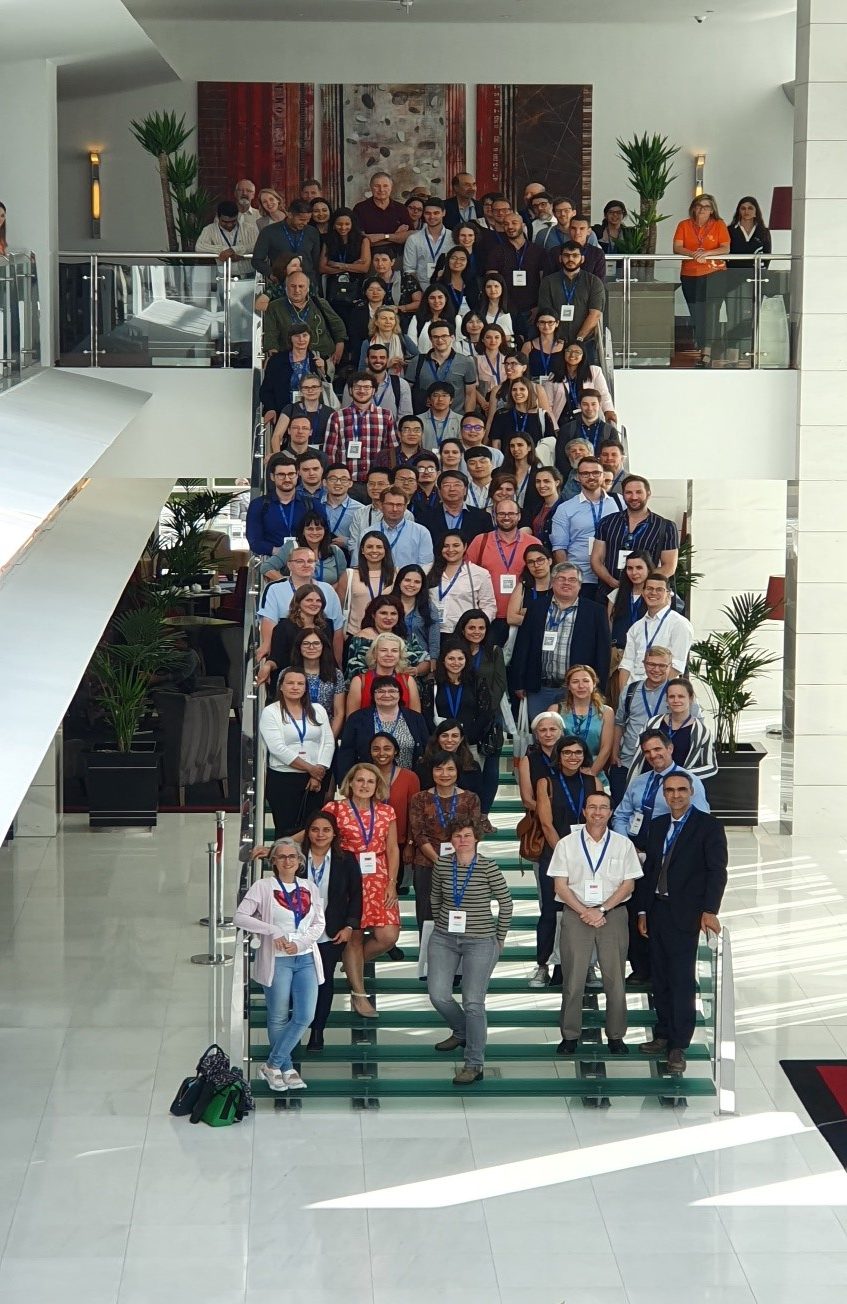
On 07- 10 July, 2019 assoc. prof. dr. Jurgita Kulaitienė and lecturer dr. Nijolė Vaitkevičienė of the Department of Agriculture and Food Sciences from Vytautas Magnus University (VDU) Agriculture Academy, Faculty of Agronomy, were participating at 8th International Symposium on “Delivery of Functionality in Complex Food Systems” at Porto, Portugal.
The main organizers of the symposium were scientists from University of Minho, Portugal. This series of symposia have managed to gather, throughout the years, an interdisciplinary team of scientists from different research areas (food science and engineering, biophysics, applied soft matter, food technology, applied human nutrition) and very different proveniences (from academia, industry and young researchers) and places around the World. Overall participation has resulted in 1 plenary and 8 keynote lectures, 49 oral presentations and over 103 posters, in a total of 30 countries represented.
During the symposium, assoc. prof. dr. J. Kulaitienė made presentation “Effect of farming systems on the quantitative and qualitative composition of phenolic acids in potato tubers with different coloured flesh” and dr. N. Vaitkevičkienė made presentation “Effect of farming systems on the quantitative and qualitative composition of anthocyanins in potato tubers with red and purple flesh”. At the symposium, the presentations received the attention of the participants.
During the symposium also were made new contacts with scientists from different countries. Therefore, the participation in the symposium has given an opportunity for getting to know the scientists of the other countries, as well as change contacts for collaboration.

Visit to Foggia University
Assoc. Prof. Jolita Greblikaite has visited Fpggia University (Italy) under Erasmus+ learning mobility on 24-28 June, 2019. The cooperation between VDU Agriculture Academy and Foggia University is already lasting for some years. Coperation is based on common research in agriculture sphere, especially economics and management. During the visit new contacts were established according bioeconomy research as well as researchers from Foggia were invited to participate in our organised International scientific conference „Rural Development 2019: Bioeconomy Challenges“. Foggia ujiversity has leading scientists in bioeconomy business research.


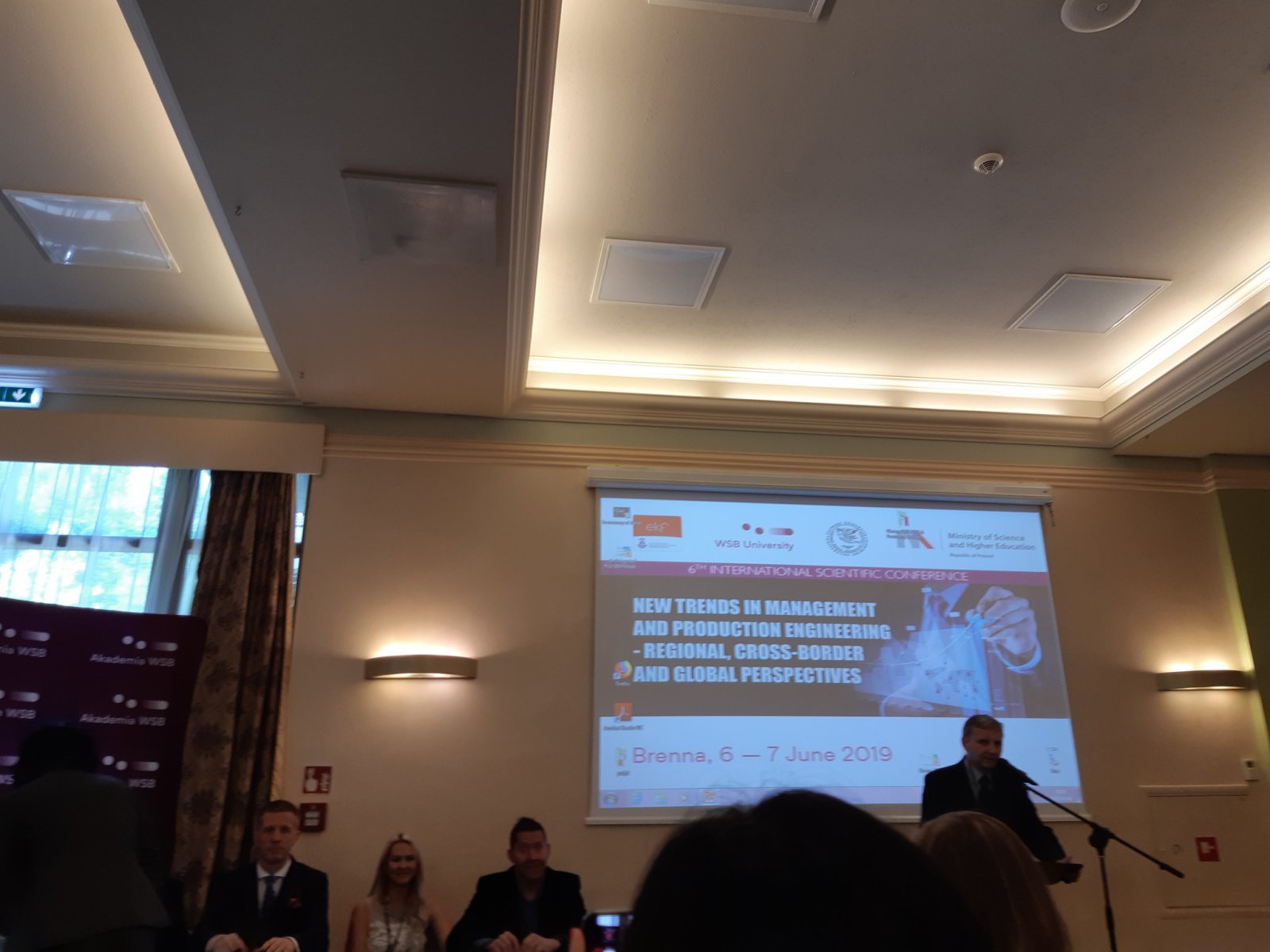
Conference „New trends in management and production engineering – regional, cross-border and global perspectives”
On June 6-7 2019 assoc. prof. Jolita Greblikaite and lecturer Rolandas Rakstys (VMU Agriculture Academy, Faculty of Bioeconomy) were participating at 8th International Scientific conference „New trends in management and production engineering – regional, cross-border and global perspectives” at Brenna, Poland. Researchers presented were results in scientific research. They participated also in the meeting with the editors of sscietific journals cited in WoS Claritive Analytics and Scopus Databases.

Participation in Final Farm Demo Conference
Assoc. prof. dr. Anastasija Novikova from the Research Institute for Bioeconomy participated in Final Farm Demo Conference, which was held in Brussels on 21th of May, 2019. The conference was dedicated to present the result from three European projects funded under Horizon 2020: AgriDemo-F2F, PLAID and NEFERTITI. AgriDemo-F2F and PLAID focus on understanding the role of European commercial demonstration farms and prepare for more connectivity between actors involved in on-farm demonstrations. These projects develop a geo-referenced online inventory of demonstration farms and build an online FarmDemo-Hub community. The group of researchers from the Research Institute for Bioeconomy (prof. dr. Astrida Miceikiene, assoc. prof. dr. Anastasija Novikova and assoc. prof. dr. Bernardas Vaznonis) participated in PLAID projects’ activities making the national inventories of demonstration farms in Lithuania. NEFERTITI focuses on the establishment of 10 interactive thematic networks covering the 3 main agricultural sectors: animal production, arable farming and horticultural production. They bring together 45 regional hubs of demo-farmers and innovation actors – advisors, cooperatives, NGOs, industry, education, researchers and policy makers. The projects’ implementers hope that the output of AgriDemo-F2F and PLAID will be used as input to set up 3 annual campaigns of on-farm demonstrations. For more information about the projects, please visit https://farmdemo.eu/


- About
- About Agri-Food BM programme
- Academic infrastructure units
- All events
- All news
- Aquaculture center
- Archives
- Biosystems Engineering
- Center of Animal husbandry selections, breeding values and dissemination
- Centre of Biosystems Engineering, Biomass Energetics and Water Engineering
- Circular Biobased Economy
- Climate change
- Contacts
- Contacts
- Events
- Events archive
- Faculties
- For business and society
- Innovative products
- International Cooperation
- International projects
- Joint Research Centre of Agriculture and Forestry
- Journal “Human and Nature Safety”
- Laboratory of Technology Safety
- Laboratory services
- Living Environment
- More labs
- News
- Project
- QUALS project description
- Research
- Research areas
- Scientific events
- Scope
- Sitemap
- Studies
- Study programmes
- Technology Transfer & Commercialization
- THE ROLE OF ORGANISATION IN THE PROJECT
- THE ROLE OF ORGANISATION IN THE PROJECT
- THE ROLE OF ORGANISATION IN THE PROJECT
- The Study Process
- Žemės ūkio žinių ir inovacijų sistemos klasteris