
VMU Agriculture Academy scientists visited Bialystok University of Technology
Vytautas Magnus University Agriculture Academy (VMU AA) lecturers from the Faculty of Bioeconomy Development, Business and Rural Development Management Department associate professor dr. Lina Marcinkeviciute and lecturer Jolanta Vilkeviciute visited Bialystok University of Technology (BUT) under the “Erasmus+” programme during 6-11 of June.
BUT was established in 1949 and has a long tradition of educating engineers and young scientists. Now there are studying 8500 students and working 660 teachers – experts in their fields. BUT has 7 Faculties (Departments). L. Marcinkeviciute and J. Vilkeviciute visited Department of Finance and Accounting of Faculty of Engineering Management, university library.
During the visit scientists presented VMU AA Faculty of Bioeconomy Development, the main research fields and gave lectures for bachelors in the area of Law and Management.
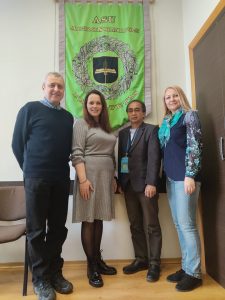
Lecturers had discussions with the dr. hab. Prof. Zbigniew Korzeb and hab. Dr. Zofia Kołoszko-Chomentowska about the possibilities for cooperation in projects, common scientific articles, student’s and lecturer’s exchange opportunities between institutions.
The main purpose of the visit was to collect data for research, to strengthen the cooperation within “Erasmus+” programme and to establish contacts with the staff of the host institution that can lead to joint implementation of new research projects in the future.
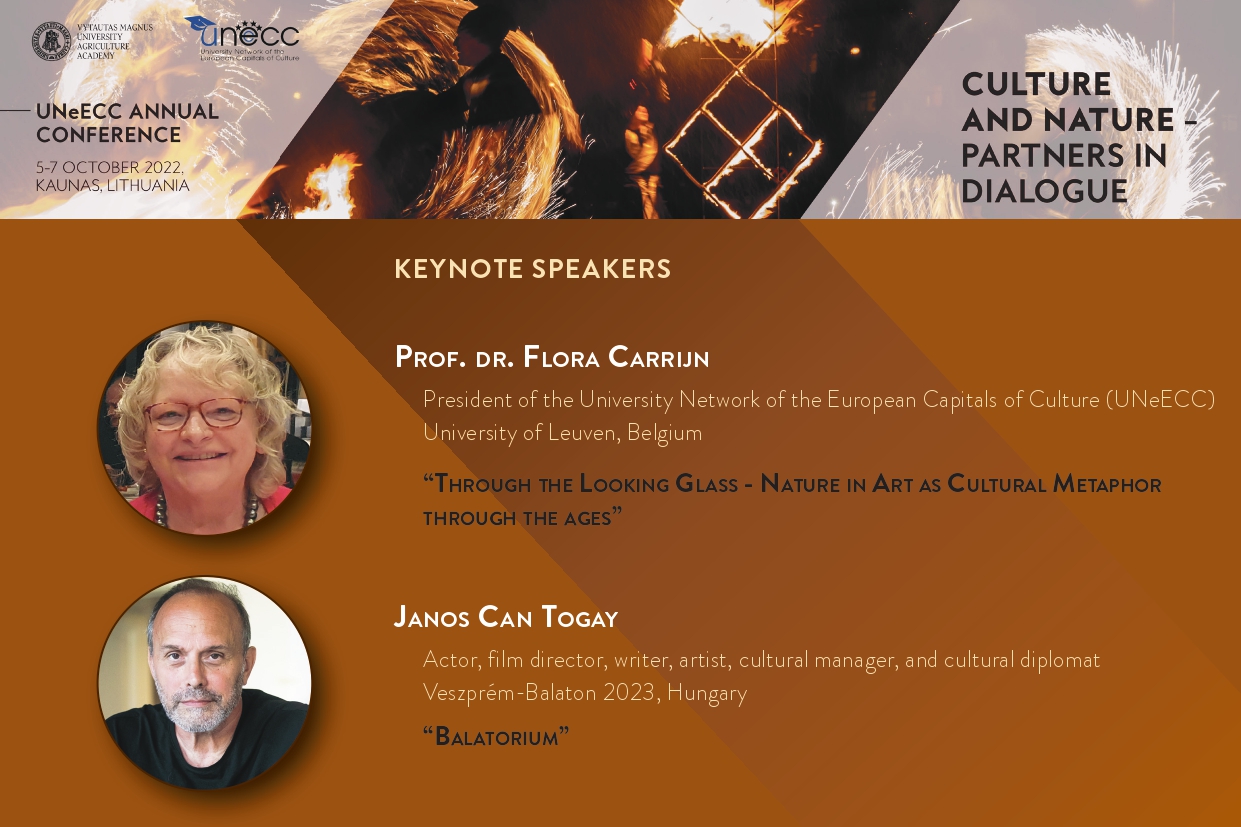
UNeECC Annual Conference 2022 “Culture and Nature – Partners in Dialogue” at VMU AA
We are pleased to invite You to take part in the UNeECC Annual Conference 2022 titled “Culture and Nature – Partners in Dialogue”, which will be hosted by Vytautas Magnus University Agriculture Academy, Kaunas (Lithuania), on 5-7 October, 2022.
Conference Topics:
-Culture, Science and Social Well-being
-Consciousness in Cultural Consumption
-Sustainability as a Key for Bioeconomy Challenges
-Nature and a New Cultural Mindset
Important dates concerning the Call for Papers:
-Extended deadline for submission of abstracts: 29 June 2022 (extended – 29 July).
-Abstract Acceptance Notification: 29 July 2022 (extended – 29 August).
Papers are published in the conference proceedings with ISSN and the select 5 papers to be published in a high quality journalꓽ “Tourism: An International Interdisciplinary Journal“, the second oldest tourism journal in the world, regularly published since 1953.
We are pleased to present plenary session Keynote Speakers:
Conference websiteꓽ https://uneecc.vdu.lt
For further information please contact: uneecc@vdu.lt
VMU Agriculture Academy scientists visited the University of Trieste
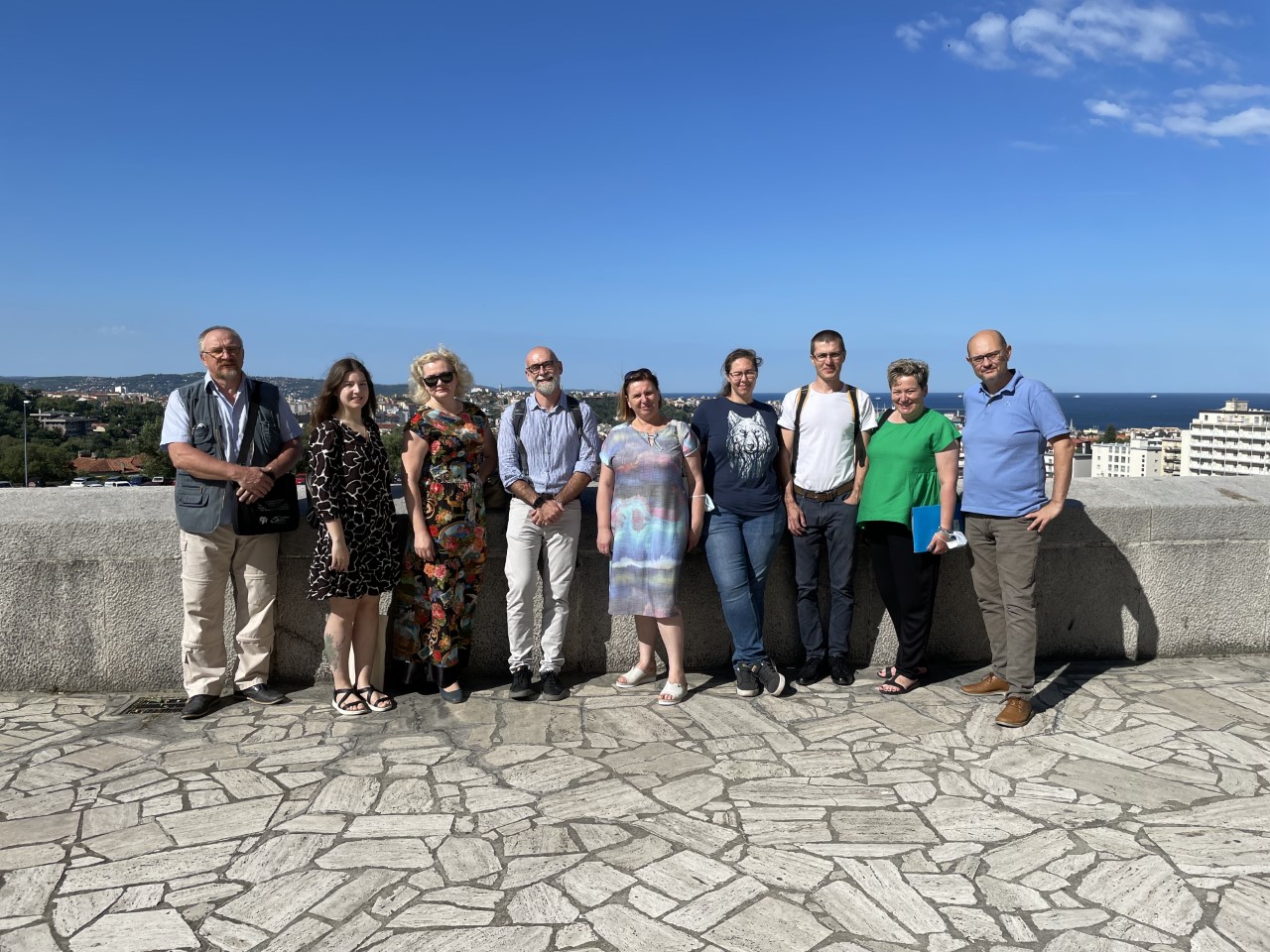
On June 13-14th, scientists of Vytautas Magnus University Agriculture Academy visited the University of Trieste in Italy. During the teaching visit associate professor dr. Anželika Dautarte and international coordinator lecturer dr. Ekaterina Makrickiene paid special attention to the discussion of possibilities of double diploma programs with partners from the “Transform4Europe” University Alliance. Vytautas Magnus University was also represented by Faculty of Natural Sciences professor dr. Algimantas Paulauskas.
The meeting was attended not only by the representatives of Vytautas Magnus University and the University of Trieste, also by the staff of University of Silesia (Katowice, Poland) and the University of Sofia (Sofia, Bulgaria). The partners actively discussed the aims and content of the double degree study program and started comparing the content of individual subjects. It is planned to complete the structure of the programme in the nearest future and move on to the preparation of the contract.
Academic and administrative staff of Uzbekistan visited VMU Agriculture Academy
Vytautas Magnus University Agriculture Academy Faculty of Bioeconomy Development is implementing the ERASMUS+ project „New Master‘s Degree Curricula for Sustainable Bioeconomy in Uzbekistan“ (2021-2024). Academic and administrative staff from Tashkent State Agricultural University and its branch in Samarkand, Tashkent State Institute of Irrigation and Mechanization, and Bukhara State University visited Faculty of Bioeconomy Development on June 6-11.
During the visit colleagues from Uzbekistan got acquainted with the laboratories and library of Agriculture Academy, visited a number of companies in the Lithuanian bioeconomy sector, such as “Allive Europe“,”Nuotekų valykla”, “Kauno Energija”, “Norvelita”, “Raseinių Žuvininkystė”, Audrone Ispiryan farm, Audrius Banionis farm, agricultural cooperative “Pienas LT”, got acquainted with the companies incubated in the business incubator of Agriculture Academy, met with the academic staff of VMU Agriculture Academy participating in this project.

These activities provided an opportunity for colleagues from Uzbekistan to learn about research and innovation in the bioeconomy sector, to acquire a better understanding of the implementation of the principles of bioeconomy and the circular economy in business organizations. In September, the implementation of the Master’s study programme in Bioeconomy will start at the universities of Uzbekistan, organizing the study process for 24 students.
ERASMUS+ teaching visit to the University of Warmia and Mazury in Olsztyn
ON May 09-13 prof. dr. Algirdas Jasinskas from Vytautas Magnus University (VMU) Agriculture Academy Faculty of Engineering and prof. dr. Kęstutis Romaneckas from VMU Agriculture Academy Faculty of Agronomyvisited University of Warmia and Mazury in Olsztyn (Poland) according to the programme ERASMUS+ Teaching.
The main tasks of this mobility was to increase the professional knowledge of objective skills while oral presentation of new technologies and technique for foreign students; to increase the usage of English language skills into practice; to improve the competencies exchange in the fields of agricultural engineering, agronomy and environment research; to grow up the relations with teachers and students in University of Warmia and Mazury in Olsztyn.
During this visit, professors presented lectures on such topics: Sustainable soil tillage and sowing systems; Multi-cropping and inter-cropping systems; Agricultural plant growing, harvesting and preparation for biofuel technological-technical and energy assessment; Energy plant biomass processing and pressed bio-fuel utilization for energy conversion in Lithuania; Complex evaluation of agricultural technologies.
Some time was spent for the meeting with the staff of Faculty of Environmental Management and Agriculture, and for discussions about the attending in the future scientific and study projects and conferences (Agroeco 2022; Rural Development 2023,), was organized the discussion on an ongoing joint international European project Horizon2020 – BRANCHES, and the discussions about the future ERASMUS+ activities.
The hosts organized a visit to the largest biogas plant in Poland, Biogal, where they got acquainted with the specifics of its work and technological processes, and in free time, professors made sightseeing in wonderful places of Olsztyn and region of Warmia and Mazury in Poland.
Prof. dr. Algirdas Jasinskas and prof. dr. Kęstutis Romaneckas


Assoc. prof. dr. Rasa Pranskuniene from Bioeconomy Development Faculty, Department of Business and Rural Development Management has visited University of Warmia and Mazury in Olsztyn, Poland on 24–26 of May. R. Pranskuniene was invited by prof. dr. Agnieszka Jaszczak, the Head of the Department of Landscape Architecture. During the visit R. Pranskuniene presented the lectures for the students in the field of Landscape Architecture and discussed together with students the challenging aspects of the interaction of public perceptions on changing landscape. As well, the possibilities for exchange studies at VMU Agriculture Academy have been discussed. During the stay at University of Warmia and Mazury in Olsztyn the possible cooperation in research, the inter-university cooperation within the framework of the ERASMUS+ programme establish and strengthen the scientific cooperation were discussed as well.

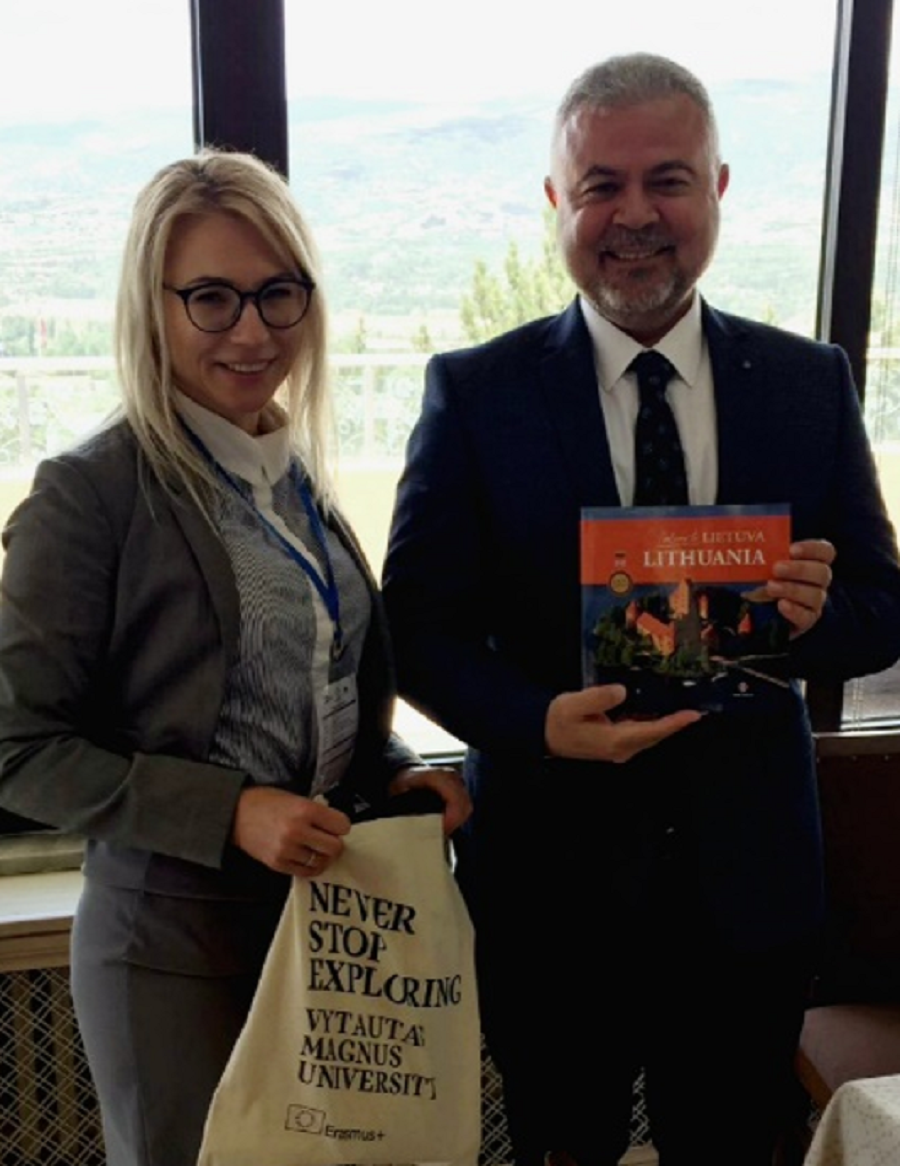
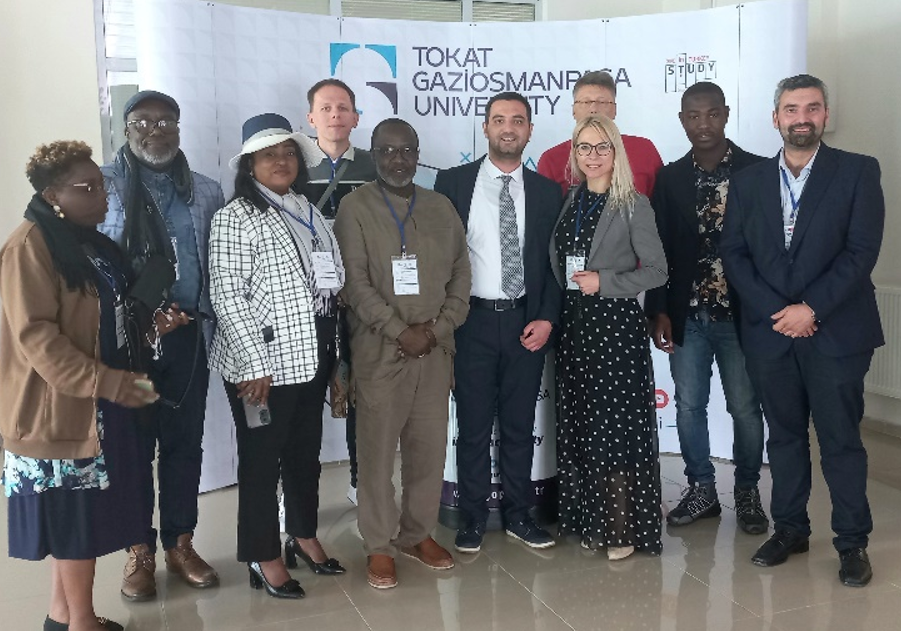
VMU Agriculture Academy scientist visited Tokat Gaziosmanpasa University
The International Staff Week under the ERASMUS+ programme took place on 17-20 May 2022 at the Tokat Gaziosmanpasa University (TOGU), Tokat, Turkey. Lecturer Otilija Miseckaite got acquainted with the TOGU, gave lectures about VMU Agriculture Academy and participated in various activities with the colleagues from different countries (Gabon, Poland, Romania, Spain, Turkey).
During the visit O. Miseckaite had meetings with TOGU rector prof. dr. Bunyamin Sahin, academic staff, where discussed about the possibilities to collaborate in study and research fields.
Tokat Gaziosmanpasa University offering a wide range of courses (51 study programs) in Engineering, Natural Sciences, Education, Arts, Sciences, Economics, Medicine, Agriculture, Dentistry, and Theology. The university is also home to three graduate institutes called Institute for Graduate Studies in Pure and Applied Sciences, Institute of Social Sciences, and Institute of Health Sciences. The Times Higher Education (THE) World University Rankings 2022 ranks TOGU in 1001+ bracket. The university has also received European Accreditation of Engineering Programs. Tokat Gaziosmanpasa University is one of the youngest universities in the country (founded in 1992) and is highly renowned for its research and development projects and capabilities, actively participates in many projects nationally and internationally.
English Course at Executive Training Institute in Malta
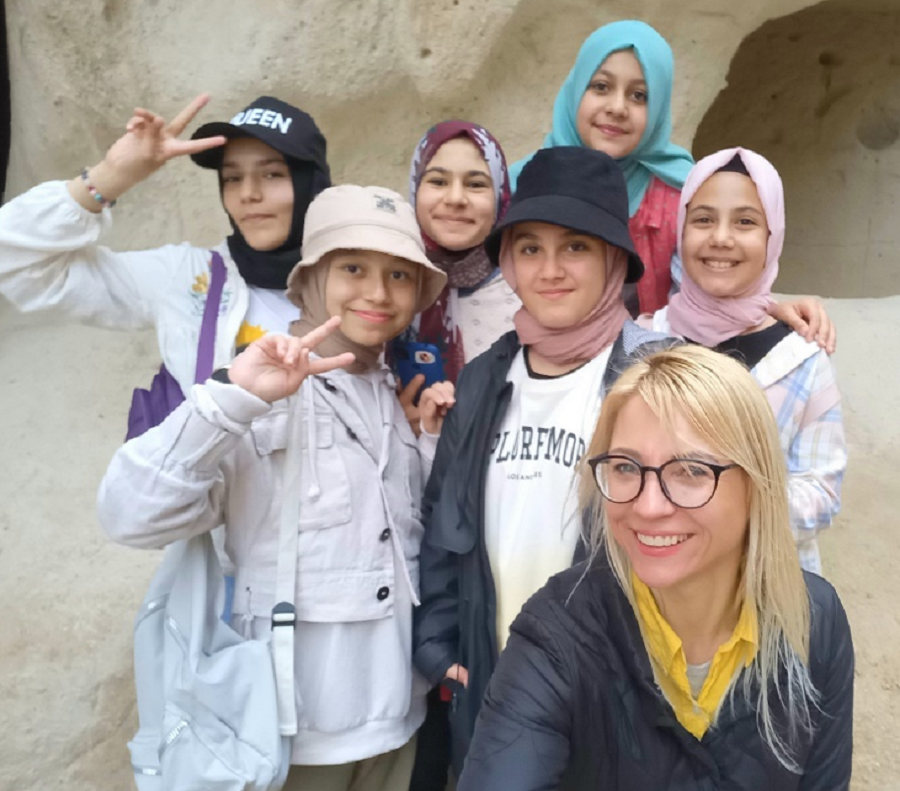
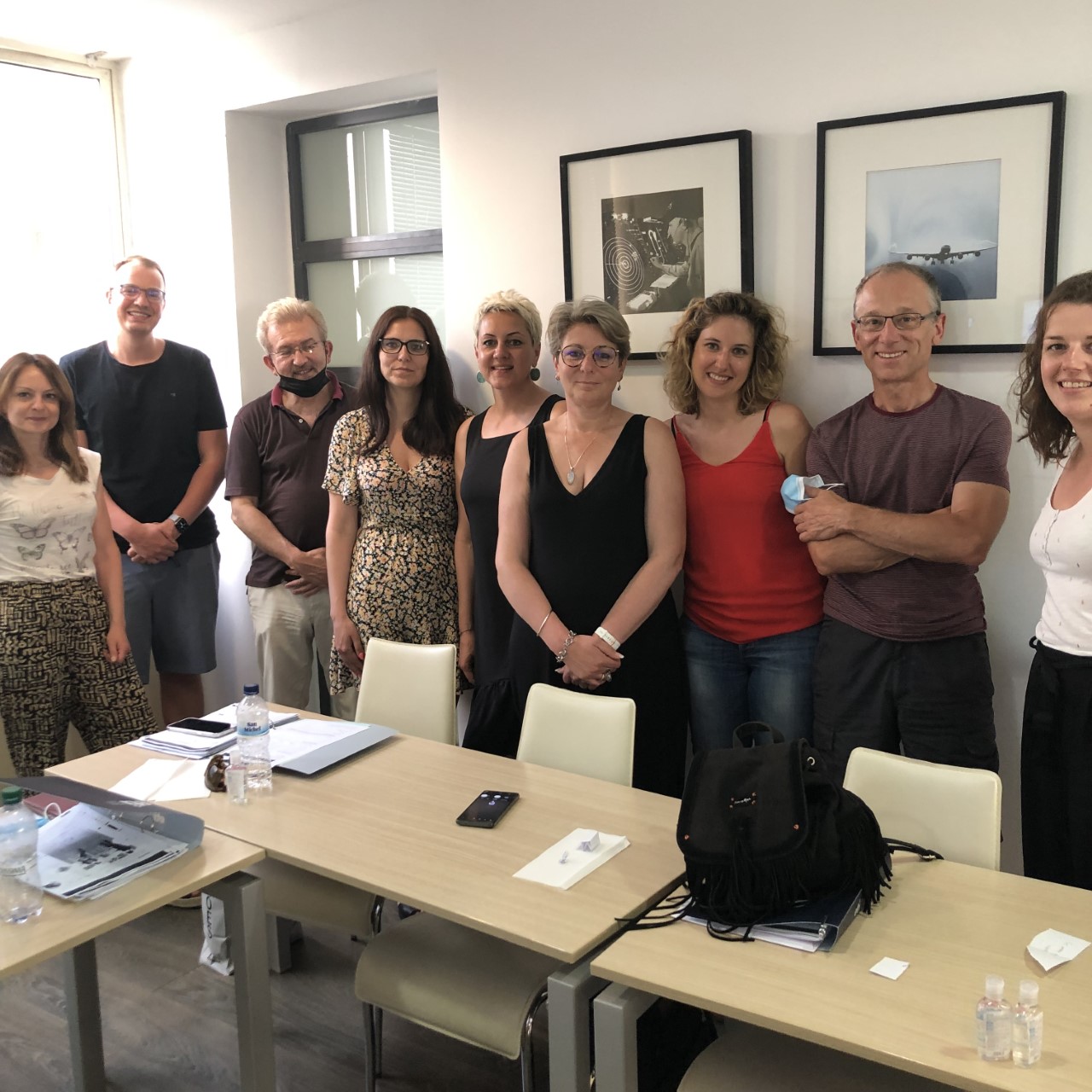
On 30 May – 03 June, 2022 assoc. prof. dr. Jurgita Kulaitienė, lecturers dr. Nijolė Vaitkevičienė and dr. Dovilė Levickienė of the Department of Plant Biology and Food Sciences from Vytautas Magnus University (VDU) Agriculture Academy, Faculty of Agronomy, were participating at the English course “Fluency and Language Development for Education Staff” according to the ERASMUS+ programme. The course was held at the Executive Training Institute in Malta.
In these courses, teaching and administrative staff from different countries (France, Italy, Germany, Switzerland, Lithuania, Czech Republic, Latvia, Poland, Austria) were attended.
With this training visit, teachers had the opportunity to work on language and fluency development. Sessions involved short lectures, specific learning tasks, group work, vocabulary building, grammar review and pronunciation exercises. Were placed with the right class and level to increase competence in the English language. As well as the visit has given an opportunity to get know their history, culture and people.
VMU Agriculture Academy scientists visited the Latvia University of Life Sciences and Technologies
Latvia University of Life Sciences and Technologies (LLU) has a long-term partnership with Vytautas Magnus University (VMU). Universities cooperate by exchanging visits under ERASMUS+ teaching and learning programs, participating in international conferences, preparing applications for joint research projects, publishing scientific results and participating in dissertations defence. Professor dr. Eglė Jotautienė and associate professor dr. Antanas Juostas from VMU Agriculture Academy Faculty of Engineering Department of Agricultural Engineering and Safety visited the Faculty of Engineering of LLU under the Erasmus+ Teacher Mobility Program. Lecturers gave lectures on organic agricultural waste use for the production of organic fertilizer, the telemetry data evaluation of the combine harvesters. During the visit, prof. E. Jotautienė and assoc. prof. A. Juostas made presentations in LLU 21st International Scientific Conference. Prof. E. Jotautienė was the chairman of the conference section “Materials Science, Renewable Energy and GHG Emissions”.
During the visit, the organization of studies, teaching methodology, methodology of final theses preparation and final results, material study base, communication culture of teachers and students in LLU were introduced. The gained experience will be useful in adopting the best practices of the studies at VMU. The visit will strengthen the further cooperation not only in studies, but also in the development of research projects and research. The involvement of master’s and doctoral students in joint research has been discussed.
Professor dr. Eglė Jotautienė and associate professor dr. Antanas Juostas


Start of the Collaboration with a Top-quality Higher Education Institution in the Middle East – Jordan University of Science and Technology
From 8th to 12th of May associated professor Rytis Skominas from Faculty of Engineering, associated professor Bernardas Vaznonis and associated professor Gintarė Vaznonienė from Faculty of Bioeconomy Development visited Jordan University of Science and Technology under the programme ERASMUS+.
During the visit Bernardas Vaznonis, Gintarė Vaznonienė and Rytis Skominas had meetings with JUST academic staff of International relation office, representatives of the faculties of Agriculture and Engineering. There were discussed possibilities to collaborate in study and research fields and how to strengthen research in the field of bioeconomy.
Moreover, during the visit good practice on applied study methods and organized research activities for students were shared. Opportunities to encourage students to participate in mobility programs were also discussed. A tour at the university took place with the aim to get acquainted with the scientific infrastructure. The university campus left a big impression. The campus is a blend of contemporary art of architecture with vast green landscapes. Also were organized field visits, good practice examples of sustainable development were presented.
VMU Agriculture Academy Community Gained Knowledge from Foreign Teachers During the International Staff Week of the ERASMUS+ exchange Programme
The International Staff Week under the ERASMUS+ programme took place on May 2-6 at the Vytautas Magnus University (VMU) Agriculture Academy. 15 scientists from 8 countries got acquainted with the Academy, gave lectures to the community of VMU Agriculture Academy and participated in various activities with the colleagues.
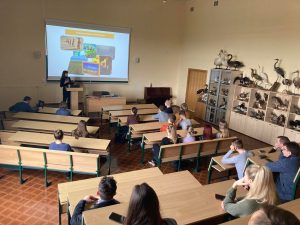
Two foreign lecturers visited the Department of Plant Biology and Food Sciences of the Faculty of Agronomy – assoc. prof. dr. Ajla Ališah from the university of Sarajevo and prof. dr. Ewa Czarniecka-Skubina from the Warsaw University of Life Sciences. Visiting lecturers gave lectures and discussed topical issues to 2nd-4th year students of the first cycle study programme Food Quality and Safety. Scientist A. Ališah presented the results of her ongoing research during the presentation “Hygienic, health-technological and economic aspects for the quality prevention of broiler chicken”, and scientist E. Czarniecka-Skubina presented a lecture on the topic: “Development of new food packaging”.
“The researchers answered the questions of students and invited them to take the opportunity to come to the universities of life sciences in Sarajevo and Warsaw for study and practice under the ERASMUS+ programme. The guests were happy to communicate and share their scientific experience with the Dean of the Faculty of Agronomy, the staff of the Department and doctoral students. During the visit the possibilities of cooperation in scientific and project activities were discussed”, – prof. dr. Elvyra Jarienė and assoc. prof. dr. Judita Černiauskienė summed up the visit of foreign lecturers.
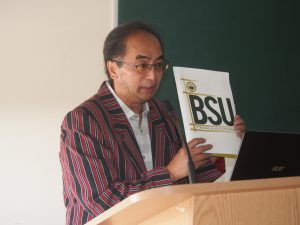
During The International Staff Week of the ERASMUS+ programme two foreign lecturers – prof. Romeo A. Gomez and assoc. dr. Olesea Cojocaru – visited the Department of Agroecosystems and Soil Sciences. Visiting scientists gave lectures to 2nd year students of the Agronomy programme and to the 1st year students of the Food Quality and Safety programme. The lecture on the topic “Biologically active soil health – the basis of organic farming” was given to the community of VMU Agriculture Academy by dr. O. Cojocaru Prof. dr. R. Gomez shared his knowledge on the topic “Traditional rice-based ecosystems (TRBEs) in Ifugao and Benguet, Philippines”. The lecturer from the State Agrarian University of Moldova dr. Mr Cojocaru gave a presentation on “Soil resources in the Republic of Moldova”, and prof. dr. R. A. Gomez from the Benguet State University in Philippines introduced the report on topic “Environmental and Sustainability Issues in Traditional Rice-Based Ecosystems (TRBEs)”.
“I am glad that in addition to lectures and other centrally organized activities of the university, the invited lecturers had the opportunity to have a warm and businesslike conversation with the Dean of the Faculty of Agronomy assoc. prof. dr. Aida Adamavičienė, as well as to discuss with many lecturers and researchers of the Department of Agroecosystems and Soil Sciences during the breaks between lectures. During these conversations, discussing the possibilities of future scientific cooperation, the idea to acquaint the guests with the possibilities of the VMU Agriculture Academy Test Station, with the research carried out here and the available equipment has arisen. This visit to VMU Agriculture Academy Test Station was organized and the guests were kindly supervised by assoc. prof. dr. Zita Kriaučiūnienė”, – said assoc. dr. Rimantas Vaisvalavičius.
Two scientists from Egypt – Mansoura University dr. Mohamed M. Awad and Cairo University dr. Sheriff Mehanny – visited the Department of Mechanical Energy and Biotechnology of the Faculty of Engineering. Dr. M. M. Awad gave the lecture to the community of VMU Agriculture Academy on the topic “Modeling of Two-Phase Frictional Presure Gradient in Refrigeration and Air Conditioning Systems”, and dr. Sh. Mehany introduced the lecture on topic “Biocomposites & Nanocellulose”.
The Faculty of Engineering, Department of Water Engineering was visited by two foreign lecturers – Warsaw University of Life Sciences (SGGW), Faculty of Civil and Environmental Engineering, Director of the Water Center doc. dr. hab. Wojciech Sas and doctoral student Justyna Dzięcioł.
The invited teachers had the opportunity to participate in the opening event of ERASMUS+ International Staff Week and listened to the traditional national songs of all Lithuanian regions, learned the peculiarities of Lithuanian folk dances “Oira oira…”, tasted Lithuanian food and drinks.
Invited scientists gave lectures on “Problems of anthropogenic materials – soils in geoenvironmental engineering”, “Problems of waste management used in civil engineering in the aspect of product Life Cycle Monitoring”. W. Sas presented the scientific activities of SGGW Faculty of Civil and Environmental Engineering, Water Center to the staff of the Department of Water Engineering, and discussed the possibilities of cooperation. Doctoral student Justyna Dzięcioł went on a trip to Vilnius organized by VMU, both invited lecturers also visited cognitive objects in Kaunas.
Besnik Krasniqi, the researcher from the University of Pristina, visited the Faculty of Bioeconomy Development. The scientist gave the lecture on topic “Research Methodology” to the students of the Business Logistics programme. After the lecture, the members of the scientific community together with the Dean of the Faculty of Bioeconomy Development doc. dr. Bernardas Vaznonis discussed general possibilities of cooperation in science and studies. The lecturer from the Palze Birzeit University in Mohabad Abu Rjailah also visited the Faculty of Bioeconomical Development.
Three researchers from Portugal visited the Faculty of Forests and Ecology during The International Staff Week of the ERASMUS+ programme. Jorge Manuel Rodrigues Tavares, the researcher from the Beja Polytechnic School of Agriculture, presented the report on topic “Sustainable animal production.” Scientist Flávia Matias Oliveira da Silva gave the lecture on topic “Use of phytoremediation to remove pharmaceutical compounds in constructed wetlands”. Researcher Maria Teresa Borralho Marques dos Carvalhos shared knowledge with the VMU Agriculture Academy community on the topic “Emergent organic contaminants in water: advanced oxidation processes (AOPs) treatments for recalcitrant compounds”.





- About
- About Agri-Food BM programme
- Academic infrastructure units
- All events
- All news
- Aquaculture center
- Archives
- Biosystems Engineering
- Center of Animal husbandry selections, breeding values and dissemination
- Centre of Biosystems Engineering, Biomass Energetics and Water Engineering
- Circular Biobased Economy
- Climate change
- Contacts
- Contacts
- Events
- Events archive
- Faculties
- For business and society
- Innovative products
- International Cooperation
- International projects
- Joint Research Centre of Agriculture and Forestry
- Journal “Human and Nature Safety”
- Laboratory of Technology Safety
- Laboratory services
- Living Environment
- More labs
- News
- Project
- QUALS project description
- Research
- Research areas
- Scientific events
- Scope
- Sitemap
- Studies
- Study programmes
- Technology Transfer & Commercialization
- THE ROLE OF ORGANISATION IN THE PROJECT
- THE ROLE OF ORGANISATION IN THE PROJECT
- THE ROLE OF ORGANISATION IN THE PROJECT
- The Study Process
- Žemės ūkio žinių ir inovacijų sistemos klasteris