
Study fair for Lithuanian diaspora at Vytautas Magnus University
At this fair You will get acquainted with the formal and non-formal study opportunities offered by Vytautas Magnus University.
During the event you will find out about:
- possibilities to study at VMU remotely;
- international opportunities offered by the University (internships, exchanges, traineeships);
- possibilities to study at VMU in Lithuanian and in English.
- support provided by the University and the Lithuanian state to foreign Lithuanians, as well as scholarships for students studying Lithuanian migration and diaspora processes;
- presentations of our faculties LIVE and ask questions about specific study programs;
- Opportunities to study Lithuanian language, culture and history at VMU;
- Experiences shared by world Lithuanians studying at the University.
Study fair will be held online:
- October 27, 3-5 p.m. (EEST time) – IN LITHUANIAN, focusing on studies, available in Lithuanian at VMU.
- October 28, 3-5 p.m. (EEST time) – IN ENGLISH, focusing on studies, available in English at VMU.
Registration is open till the 26th of October.
VMU – University of the Diaspora
Ever since 1989, VMU has operated and has been recognized as the university of the Diaspora. Almost every one of its faculties has established close relations with the scientists and artists of the Lithuanian Diaspora and has implemented projects that were a result of joint efforts by Lithuanian and Diaspora scientists.
Over this time period, the university’s community has been joined by such world Lithuanians as Algirdas Avižienis, Bronius Vaškelis, Liucija Baškauskaitė, Arvydas Žygas, Milda Danytė, Viktorija Skrupskelytė, Algis Mickūnas, Birutė Galdikas, Emilija Sakadolskienė, Romas Vaštokas, Violetta Parutis, Dovilė Budrytė and many others. Organized events have included the Lithuanian Language and Culture Course, training for teachers of Lithuanian schools, project of Baltic centres, summer courses, and a traineeship programme for world Lithuanians.
In 2013, the university launched the platform of World Lithuanian University (WLU), whose main activities include a diaspora education programme for the Lithuanian society and the world Lithuanian community, promotion of the history of world Lithuanians, focus on the cooperation between world Lithuanian scientists and researchers as well as students and world Lithuanians who seek to educate and become educated.
This year, as the synergy increased between VMU and its partners who also devote special attention to the affairs of the Lithuanian Diaspora, the event series in October will aim to promote and reinforce the perception that the Lithuanian Diaspora is a part of Lithuania.
More about the events of Lithuanian Diaspora Month
Visit of Teachers of VMU Agriculture academy to polytechnic institute of Beja (Portugal)
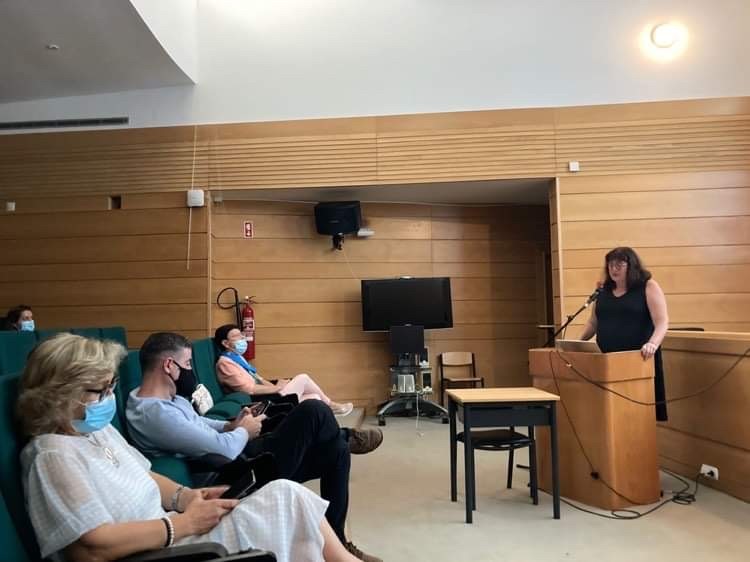
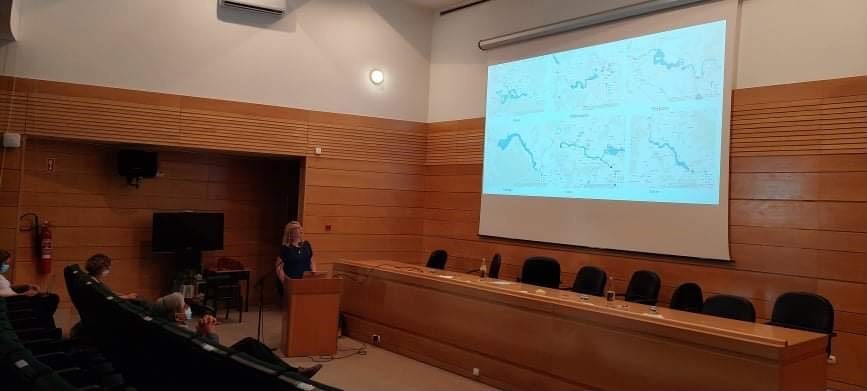
The teachers of Vytautas Magnus University Agriculture Academy assoc. prof. dr. Midona Dapkienė (Department of Water Engineering, Faculty of Engineering), prof. dr. Laima Česonienė and assoc. prof. dr. Daiva Šileikienė (Department of Environment and Ecology, Faculty of Forest Sciences and Ecology) visited Polytechnic Institute of Beja (Portugal) according to Erasmus+ Mobility agreement on October 12th to 15th 2021.
The Polytechnic Institute of Beja (IPBeja) is a professional and research oriented public higher education institution, located in the south of Portugal, in the region of Alentejo.
IPBeja is made up of four Schools – the School of Agriculture, the School of Education, the School of Technology and Management and the School of Health, with a range of more than 30 courses on offer. The Institute has more than 2000 students, enrolled in both undergraduate and postgraduate programmes and other professional oriented post-graduate programmes.
The representatives of VMU Agriculture Academy gave the lectures for bachelor and master students in the field of surface water quality, wastewater treatment and its reuse for irrigation, environmental policy and Green Deal. They also presented the oral communications on Environmental Engineering Seminar in Agrarian School of IPBeja. Prof. Laima Česonienė presented the assessment of the impact of hydropower plants on the ecological status indicators of water bodies in Lithuania. Assoc. prof. Midona Dapkienė shared experiences on wastewater treatment in rural areas of Baltic Sea region. Assoc. prof. Daiva Šileikienė presented an analysis of the main principles of organic agriculture – health, ecology, fairness and care.
The teachers had an opportunity to familiarize with the study process and reasearch at IPBeja as well as to discuss the opportunities of Erasmus Mundus project.

VMU AA professor’s teaching visit to Latvia University of Life Sciences and Technologies
2021/2022 academic year
Professors Algirdas Jasinskas (VMU AA Faculty of Engineering) and Kęstutis Romaneckas (VMU AA Faculty of Agronomy) visited Latvia University of Life Sciences and Technologies (Jelgava) on September 13-17, 2021 according to the program ERASMUS+ teaching. Faculties of Engineering and Agronomy of this university are the long-term partners of Vytautas Magnus University Agriculture Academy.
The main objectives of the mobility was to increase the professional oral and objective skills while presentations for foreign students; to increase skills in English; to grow up the competencies exchange; to grow up the relations with teachers, researchers and students in Latvia University of Life Sciences and Technologies for future collective scientific and study projects development.

During the visit in Latvia University, professors met with ERASMUS+ program coordinator, other scientific and study staff, discussed about scientific and study collaboration between universities, and also observed new scientific equipment and methods. Algirdas Jasinskas and Kęstutis Romaneckas delivered the lectures for students: “Complex evaluation of agricultural technologies” for students of the speciality “Machine Design and Manufacturing”, and for students of the speciality “Applied Energy” about energy plans and biofuel utilization for energy.


Agricultural Expo “Ką pasėsi… 2021”: the Innovation Dissemination Phenomenon Demonstrating an Impressive Leap of the Sector
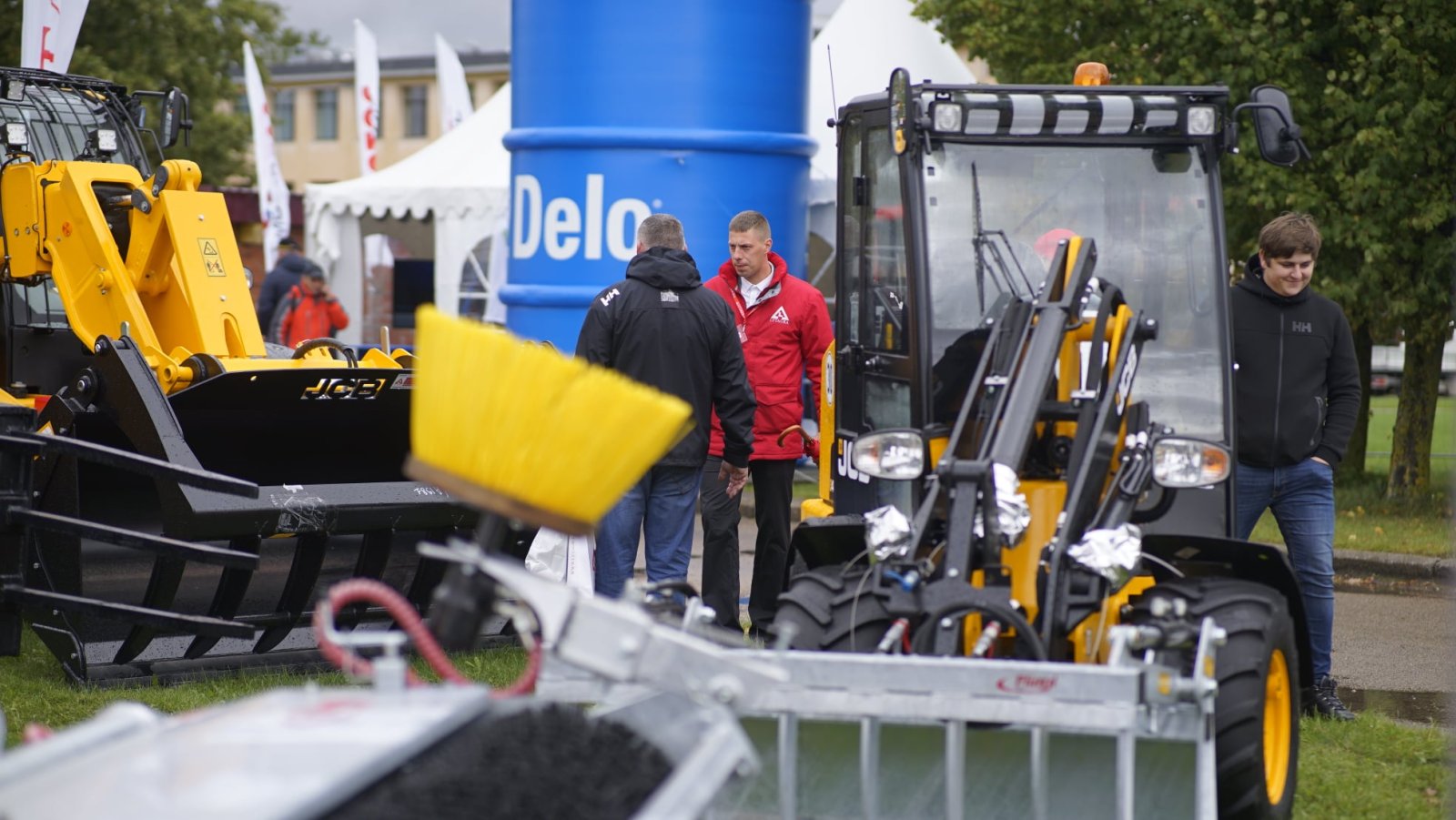
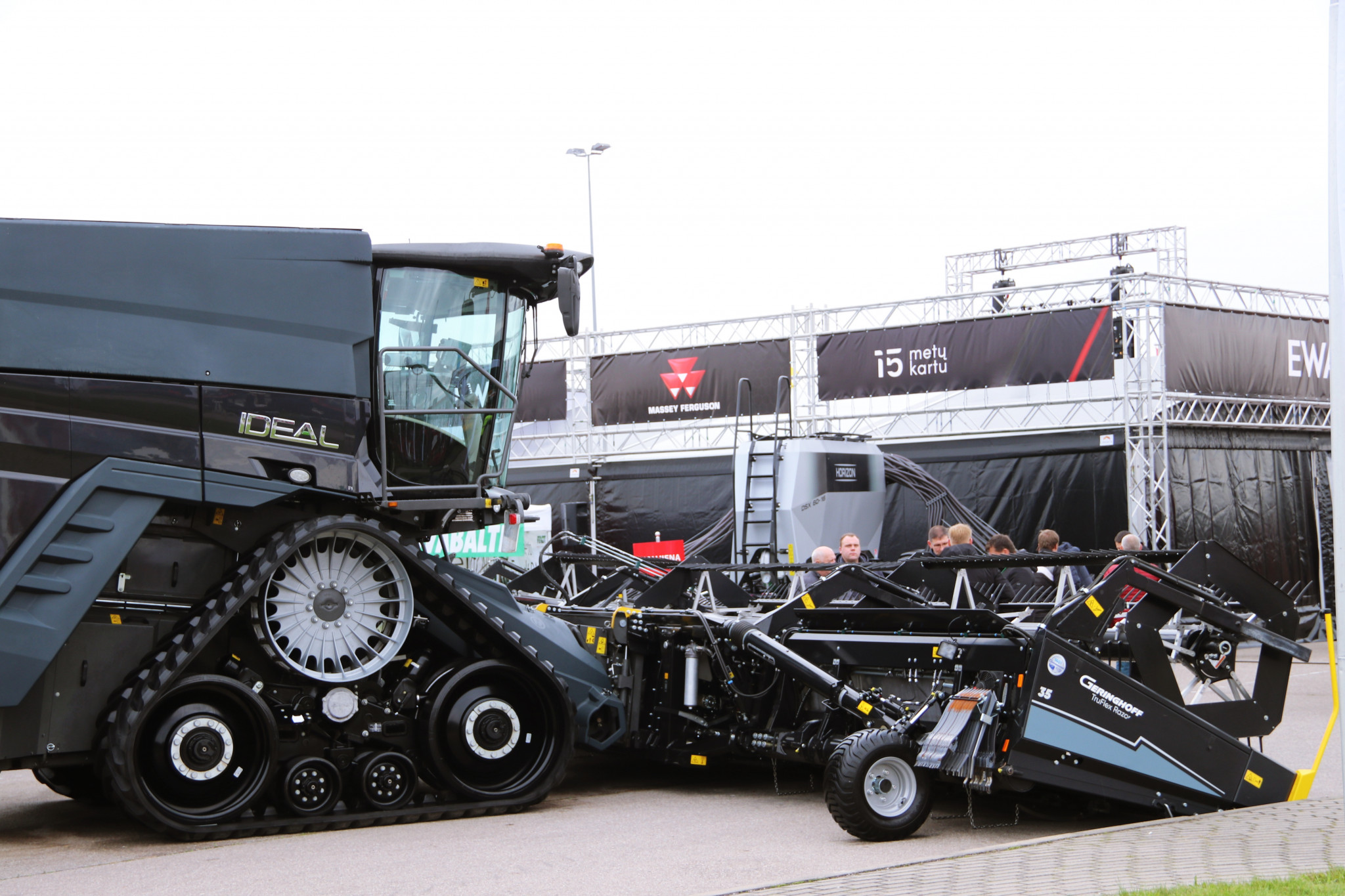
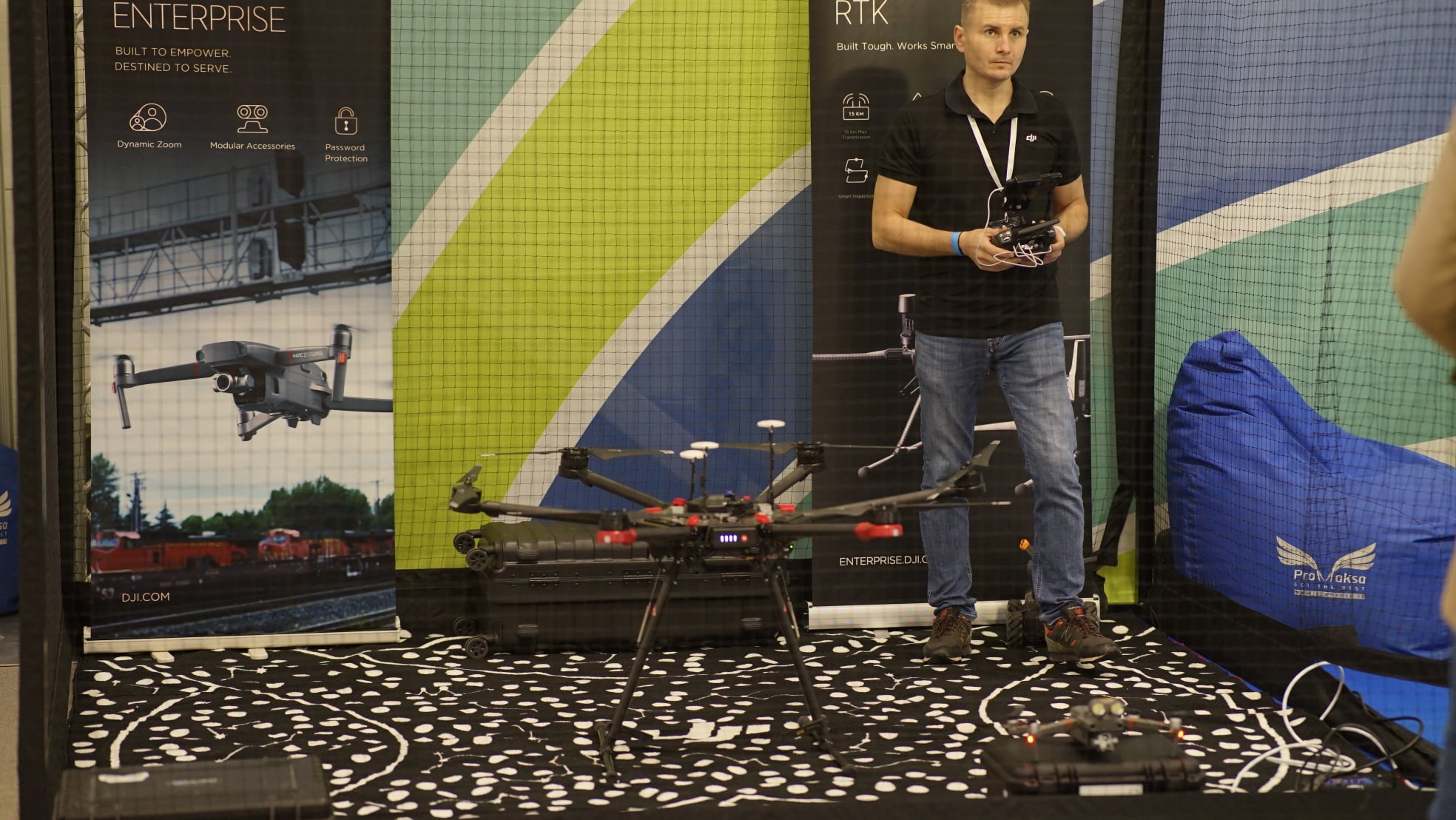
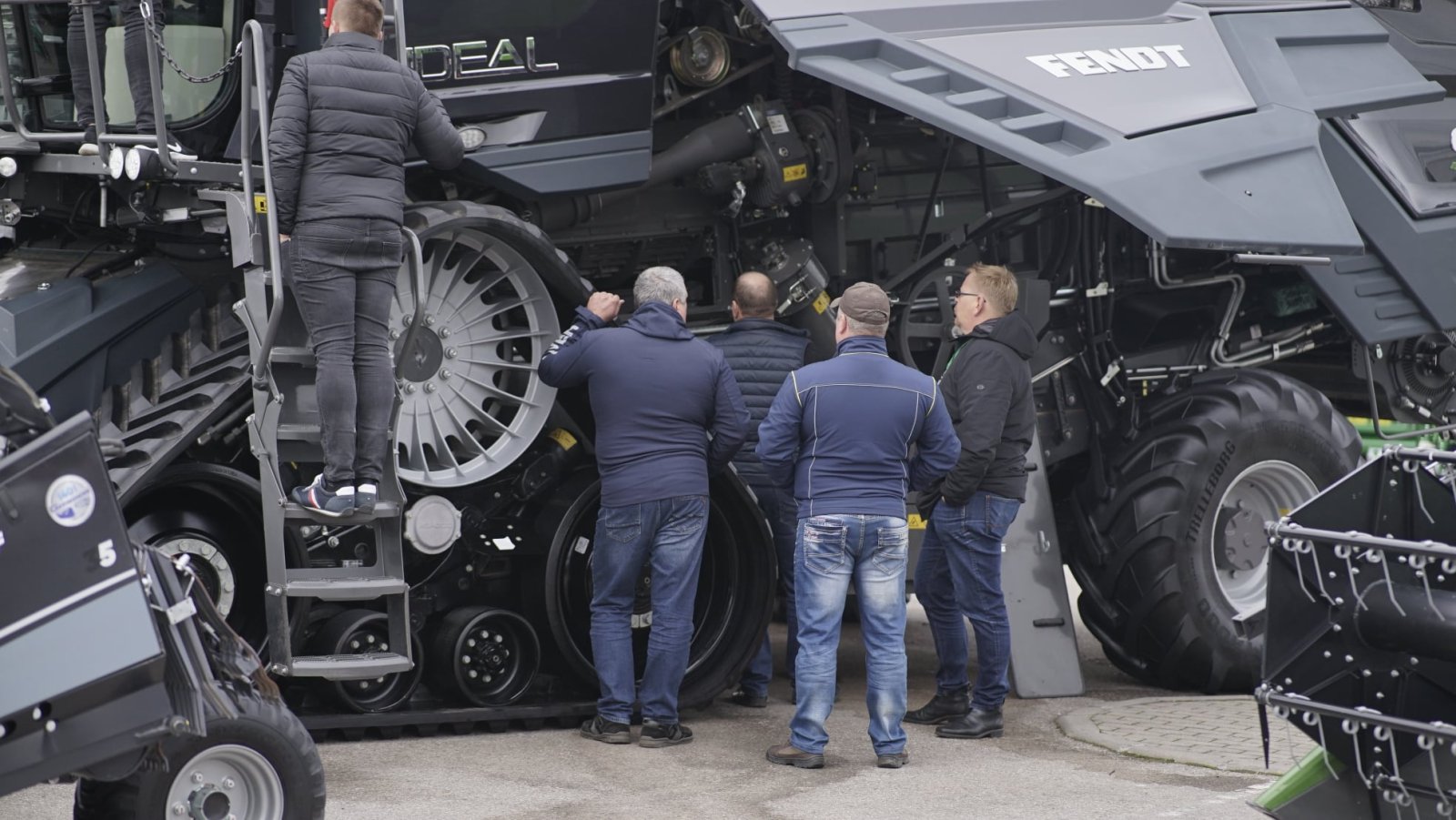
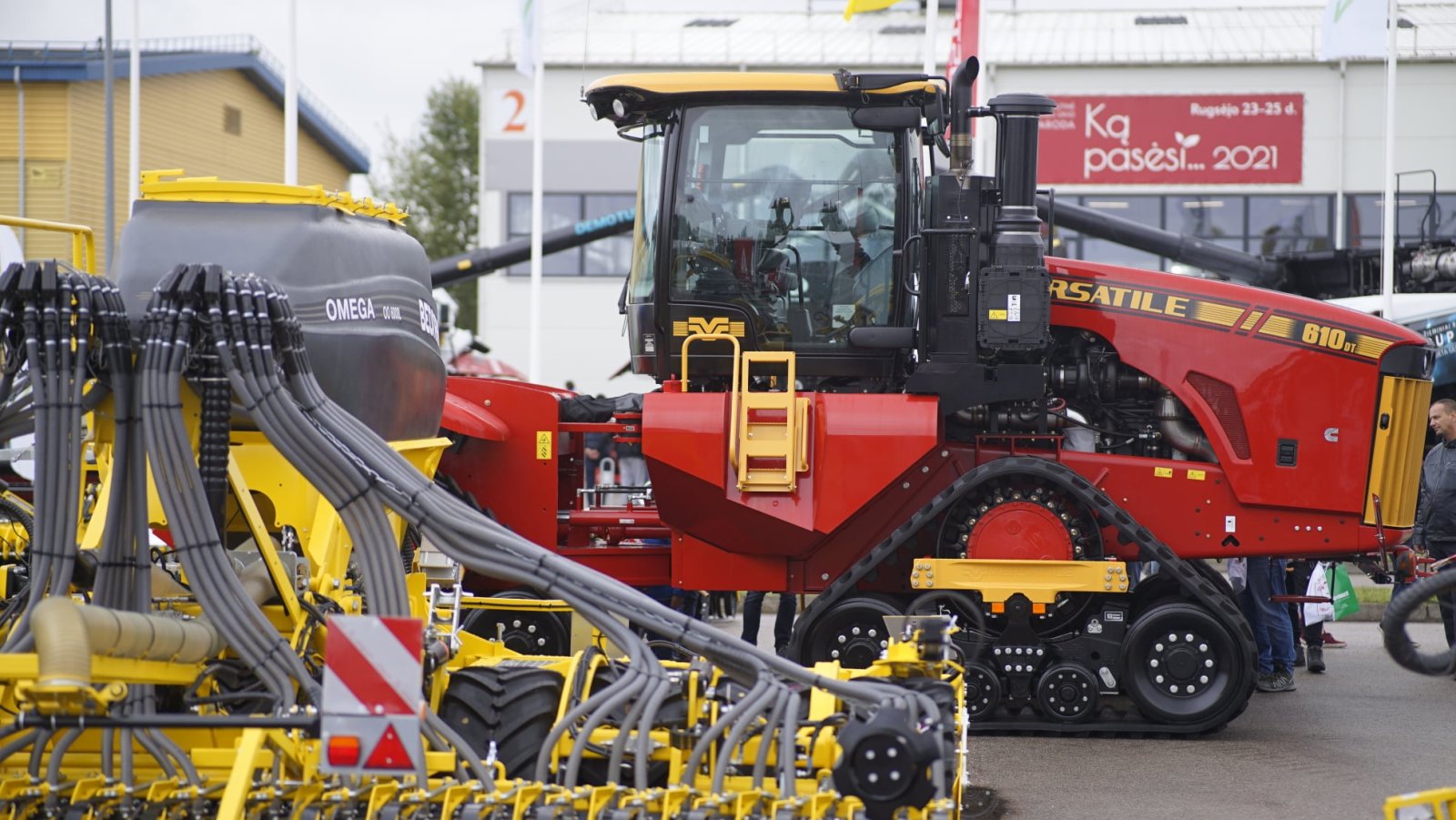
24th Anniversary Agricultural Expo “Ką pasėsi…” took place at the Agriculture Academy under Vytautas Magnus University (VMU Agriculture Academy) on 23rd to 25th of September. This year’s Expo had precision and digitalization in its focus. The visitors of the largest event of this kind in the Baltic countries had the chance to witness the equipment of impressive capacities and design, exclusive technological solutions and innovations. Agricultural Expo “Ką pasėsi… 2021” could be deservedly viewed as the manifestation of the astounding leap made by the Lithuanian agriculture, sector generating the fifth of the national exports, and by the agribusiness supplying the products and services to the former.
Agriculture of the future – paying for the mistakes of the past
The VMU Agriculture Academy has become the concentrated centre of knowledge and innovation dissemination for a few days. Approximately one hundred and fifty companies presented and 100 small producers of exclusive products presented their innovations at the Agricultural Expo. According to Dr. Virginijus Venskutonis, Director of the Centre for Business and Social Partnership at the VMU Agriculture Academy that organizes the expos, fairs, and exhibitions, this year’s event was primarily targeted at specific visitors, as additional activities and entertainment had to be abandoned due to the unfavourable pandemic situation.
In his opening speech, VMU Rector Prof. Juozas Augutis pointed out that time had come for the humankind to repair the damage to the earth that had often been used excessively. The Expo became a great chance to demonstrate the vast opportunities offered by cooperation between science and business in development of the sustainable agriculture of the future that is responsive to the natural resources available.
After the two-year break between the events as a result of the pandemics, this year, the agribusiness seems to have sought to demonstrate every innovative and state-of-the-art aspect in the Lithuanian agriculture. The agricultural equipment expo was the most popular attraction, as usual. Ultra-modern warehousing equipment, livestock, poultry farming equipment and products, forestry and utilities equipment, digital technologies for agriculture, seeds, plant protection products, fertilizers, construction, water management, renewable energy, heating system products were also presented.
The visitors could notice Expo “Ką pasėsi… 2021” medals on a dozen of the expo participants’ displays. As usual, the medals had been awarded to the most outstanding objects on the eve of the event. According to Prof. Dr Egidijus Šarauskis, Chairman of the Evaluation Commission, Head of the Department of Agricultural Engineering and Safety under the Faculty of Engineering of the VMU Agriculture Academy, it is becoming increasingly difficult for the experts to identify the objects that have deserved the medals the most, as the equipment and technologies designed are becoming increasingly advanced and environmentally safer.
Novelties boasted by Europe
The evaluation of expo objects within respective categories was based on their design, technological, economic, environmental, and occupational safety criteria, production innovation, state-of-the-art, demand, competitive advantage, export scope, national and international awards already obtained, and consumer reviews.
An exceptional biomethane powered wheel tractor New Holland T6.180 Methane Power was presented for the first time in Lithuania by Lytagra, AB and was awarded with the “Ką pasėsi… 2021” medal. According to Mr Rimas Norvilas, Director of Commerce at Lytagra, AB, the tractor was still being piloted, and its manufacturer had agreed to present their most advanced product in Lithuania. This demonstrated recognition of the status of Agricultural Expo “Ką pasėsi…” and the entire agriculture of Lithuania.
“Biomethane-powered tractor demonstrated at the expo as a concept is currently undergoing the final piloting stage to receive certification. The pilot tests will soon move to the farms of our country’s farmers. The EU’s Green Deal encourages the farmers to be conscious about the environment, and processing of organic and other natural waste into biogas would enable not only local production of low-cost fuel, but also help implement the environmental requirements,” – Mr R. Norvilas shared his confidence in the biomethane-powered agricultural equipment. He also noted that biogas-powered public transport had already been launched and become a reality in a series of progressive cities across Europe.
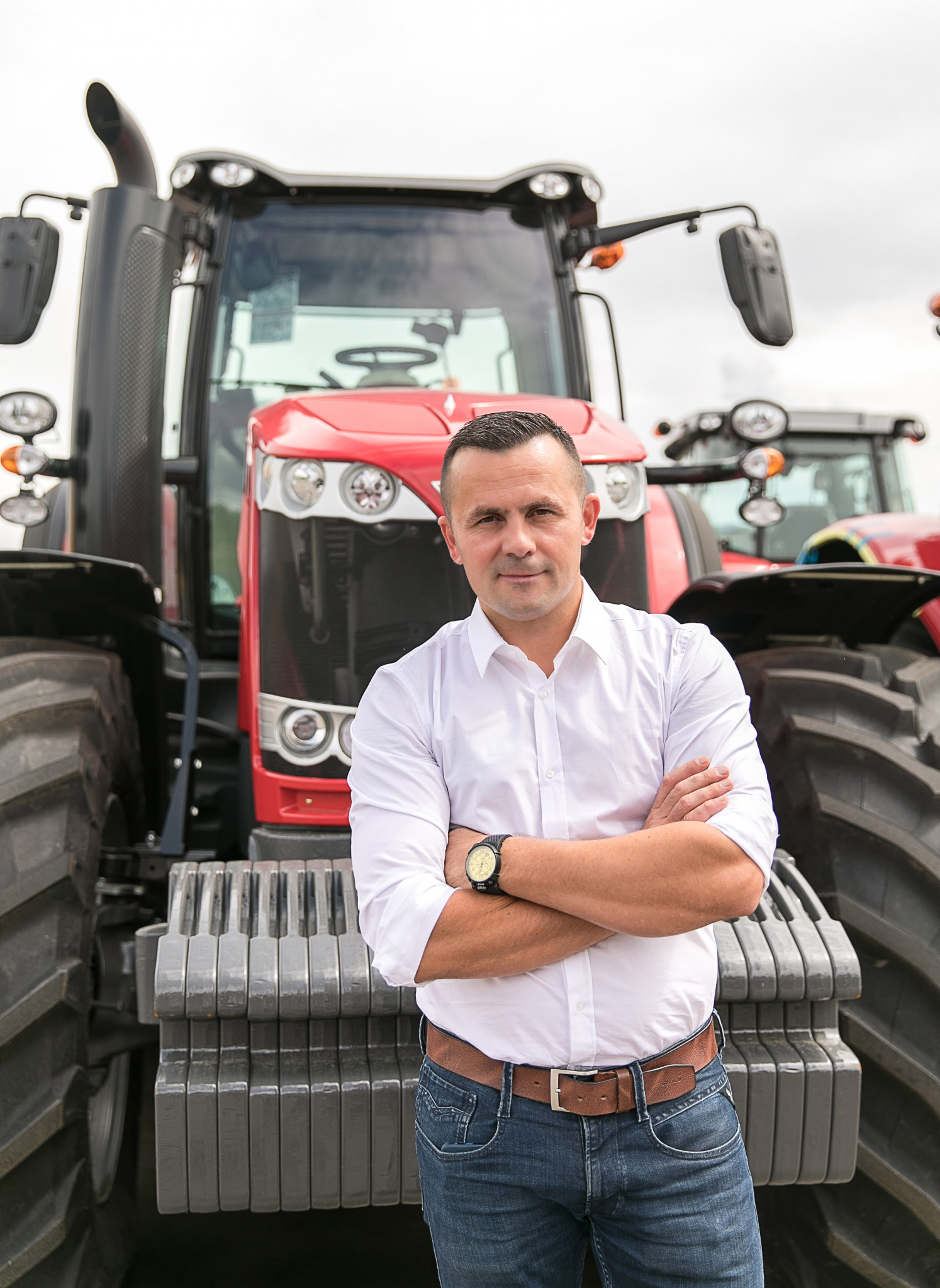
Tractor Massey Ferguson 8S.265 presented by East West Agro, AB and earlier recognized by the European Commission as the Tractor of the Year for 2021, became the object of attraction at the expo. Mr. Gediminas Kvietkauskas, CEO of the company, shared the excitement to be able to demonstrate the whole package of exclusive design and state-of-the-art technologies in a single piece of award-winning agricultural machinery to the Lithuanian farmers.
“The Lithuanian farmers who are starting to invest more actively in the state-of-the-art equipment have already had the chance to see the benefit of these tractors. 30 units of Massey Fergusons of this series were already sold before the Expo,” – said Mr G. Kvietkauskas.
Success formula: science and business partnership
In her comment on the concept of the Expo “Ką pasėsi…”, Prof. Astrida Miceikienė, Chancellor of the VMU Agriculture Academy, noted that education of the society is one of the key missions of a university. Expos that attract impressive flows of visitors from all walks of life, the educational programs in the expo agenda are the ideal tools to implement this mission by demonstrating the capacities and prospects of the modern agriculture to the public.
“Each of our Expos pay the tribute to the continuing progress of agriculture. Innovations associated with the EU’s Green Deal goals, digitalization, precision farming have been increasingly emphasized in the recent period,” – mentioned the researcher with solid background in bioeconomy research. According to her, modern farmers are thinking about the future: the nature of agriculture, need to change, implement new land use technologies, digitalization, precision farming principles, introduce robots and new business models.
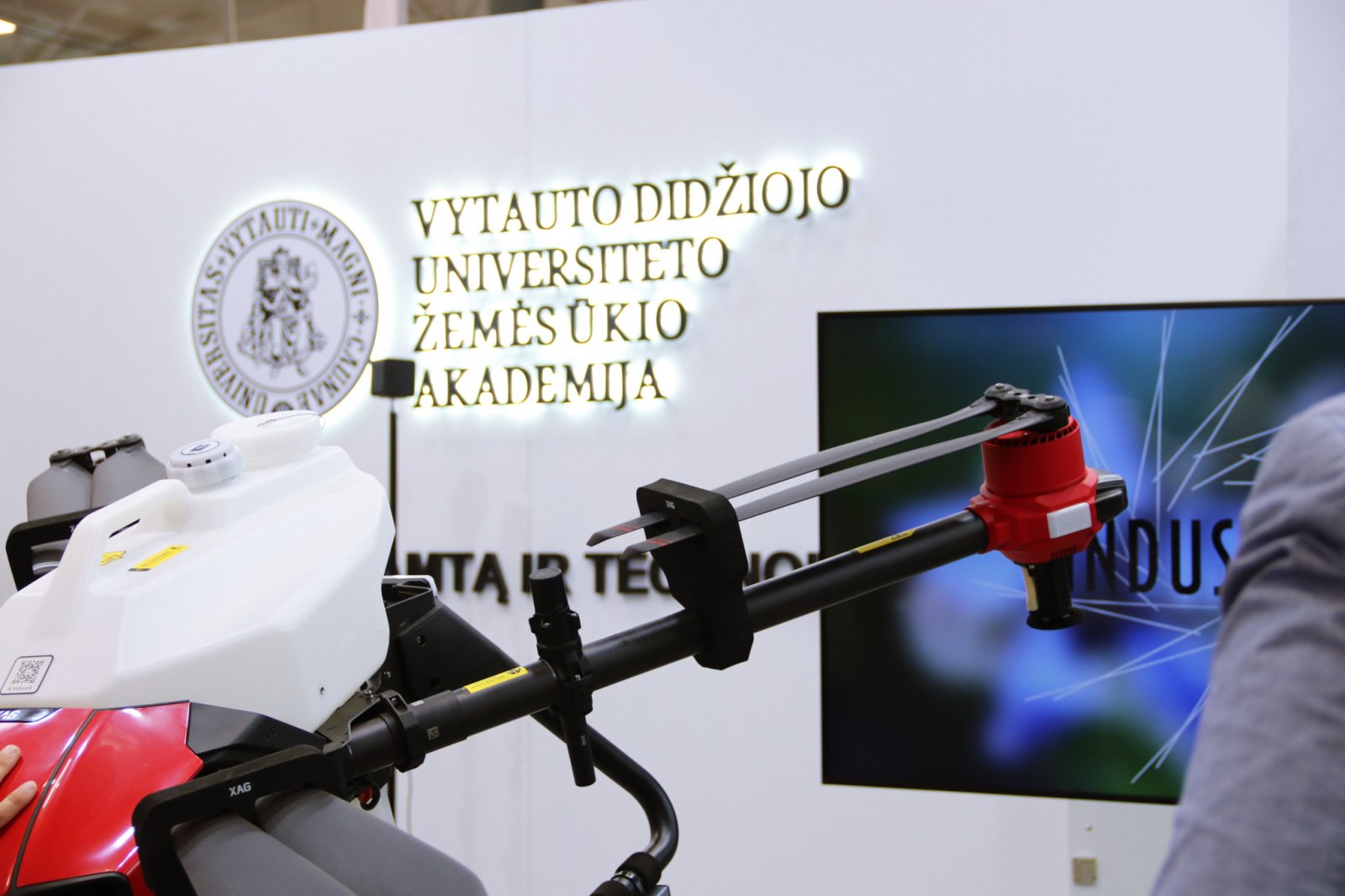
Prof. A. Miceikienė speculated that within the coming decade, drones would be successfully implemented in all the progressive farms of Lithuania, and farmers were already intensively exploring the possibilities of diversification in response to the pandemics and global changes that call for respective risk reduction measures. The researchers therefore provide innovative insights on new business models. Sharing economy, virtual cooperation models, IoT and IoLT have already become the topics of recent discussions.
The Chancellor noted that the events of Expo “Ką pasėsi…” are the culmination of the academic and business cooperation, as the researchers at the VMU Agriculture Academy actively cooperate on a regular basis with the farmers aimed at progress and companies offering products and services to the agricultural sector, conduct experiments, implement projects, pilot new technologies, and develop innovations.
Success of Green Deal to be Determined by the Interdisciplinary Knowledge and Exceptional Competences
According to Assoc. Prof. Vytautas Liakas at the Faculty of Agronomy of VMU Agriculture Academy, in agriculture, same as any other area, it is impossible to avoid making any mistakes at all, and the objective of the University is to identify the mistakes as soon as possible and help the farmers correct them.
“Lithuanian farmers are becoming smarter in terms of technology, keep their heads up with the innovations that encourage them to put even more effort. Associated with medicine formerly, microbiology has created disruption in agriculture. We have been witnessing an increasing number of farms in Lithuania to sow and spray the crops with unmanned flying drones. Our technological leap was extremely large compared to the Western farmers. This achievement is the result of cooperation among our researchers, farmers, and companies offering products and services to agriculture,” – said Assoc. Prof. V. Liakas.
According to the representative of VMU Agriculture Academy, modern farmers are interested in precision that provides quality, efficiency, and effectiveness. This, however, does not mean that computers and robots will replace humans in agriculture. To the contrary, highly qualified specialists will be in increasingly high demand. “I believe that only few ordinary drivers would be able to start the agricultural equipment demonstrated at the Expo,” – the researcher concluded.
Mr Dangis Valaitis, former graduate of VMU Agriculture Academy and present Executive Manager of Dotnuva Baltica compny agreed with V. Liakas. According to Mr D. Valaitis, modern equipment and technologies complying with the Green Deal goals will require exclusive knowledge and competences.
Medals of the Agricultural Expo “Ką pasėsi… 2021” awarded to:
Precision tine harrow TREFFLER TS (AUGA group, AB)
Tractor Deutz-Fahr 8280 TTV (Biržų žemtiekimas, UAB)
Combine harverster John Deere X9 (DOJUS agro, UAB)
Tractor Case IH OPTUM 270 AFS connect (Dotnuva Baltic, UAB)
Tractor Massey Ferguson 8S.265 (East West Agro, AB)
Wheel tractor Fendt 724 Vario with FendtONE control concept (Ivabaltė, UAB)
System of integrated plant protection, information, consulting and training (IKMIS 2.0) (PI Lithuanian Agricultural Advisory Service)
Wheel tractor New Holland T6.180 Methane Power (Lytagra, AB)
Wheel tractor VALTRA T255 Versu (Rovaltra, UAB)
Plant biostimulant group DNA PERFORMANCE (Timac AGRO LT, UAB).















10th International Conference “Rural Development 2021”: Focus on Bioeconomy and Climate Change
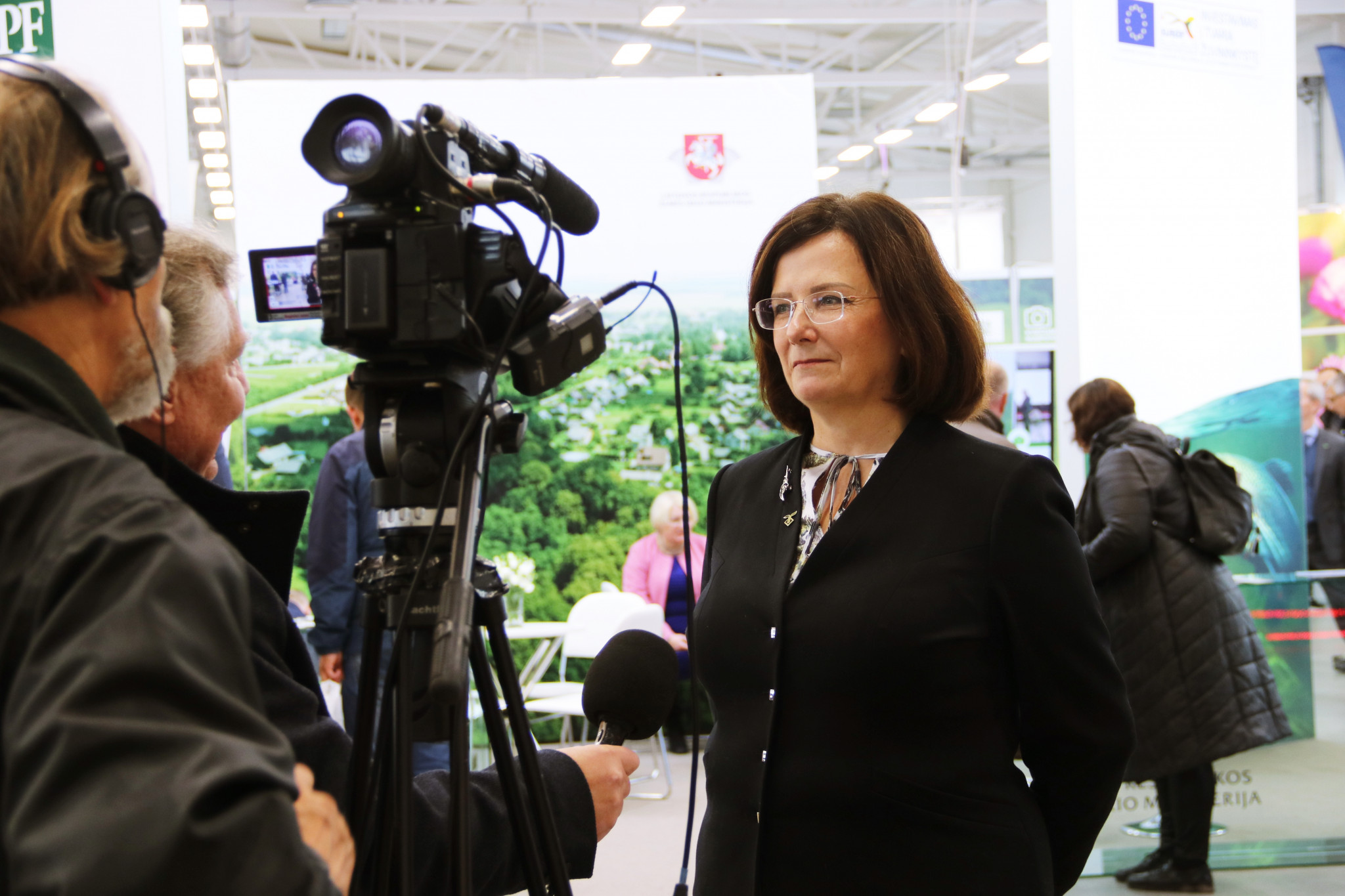
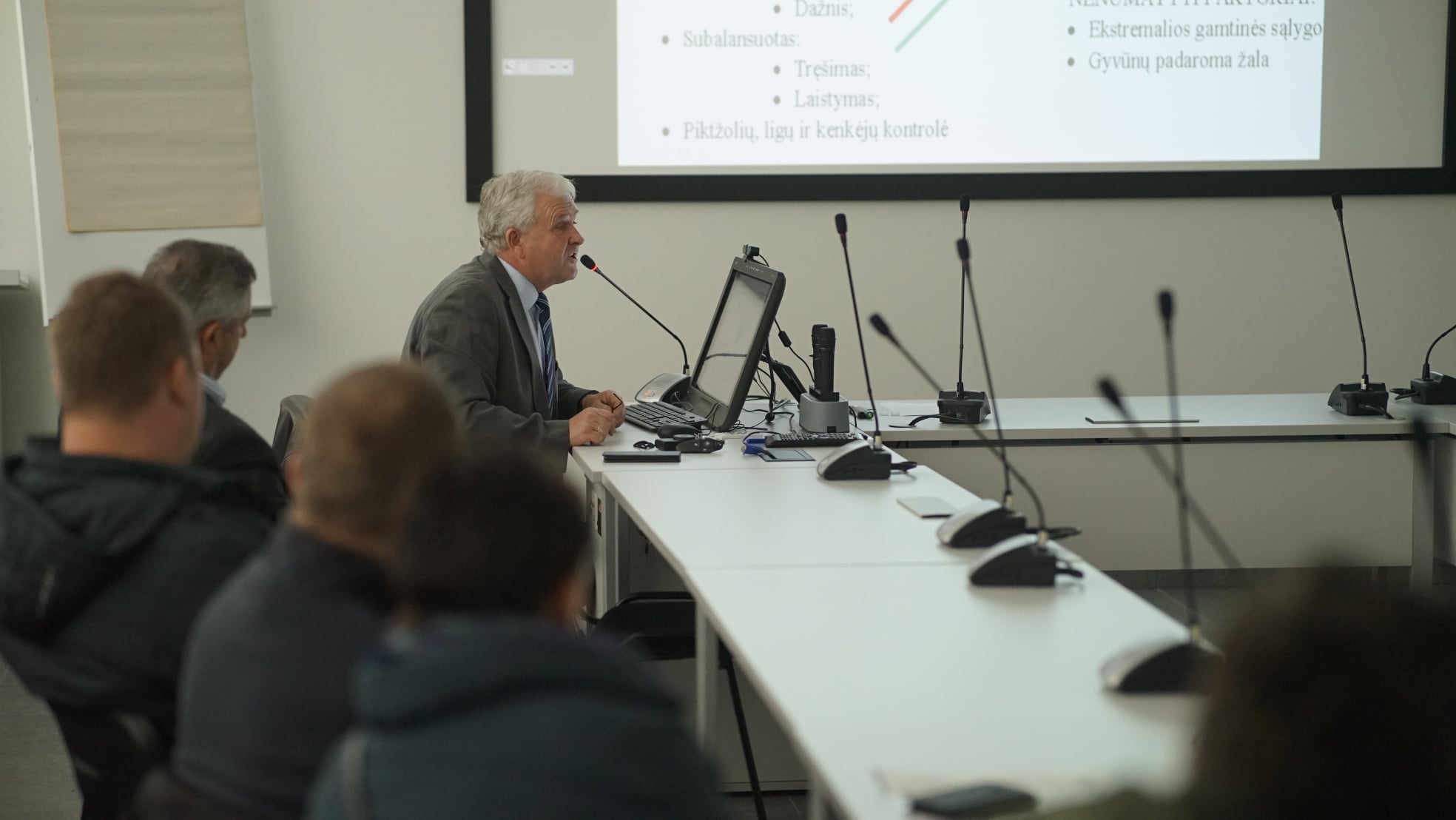
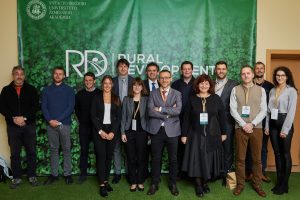
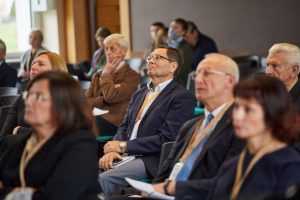
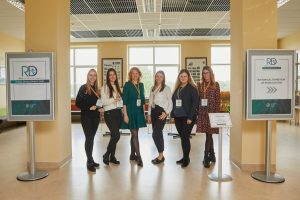
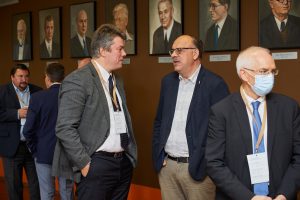
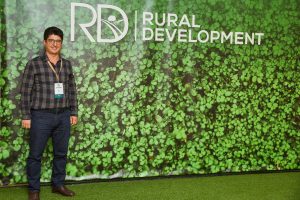
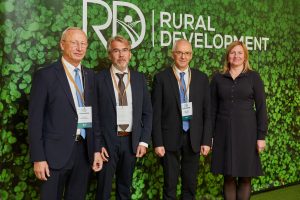
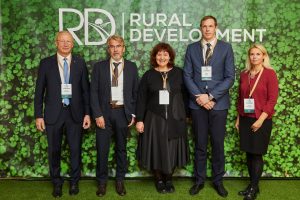
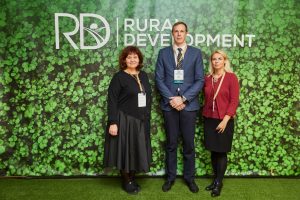
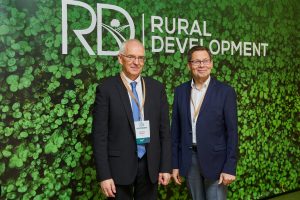
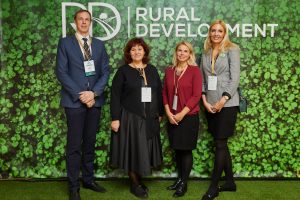
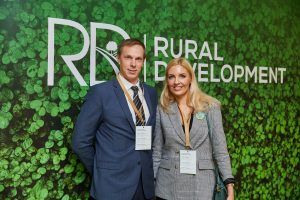
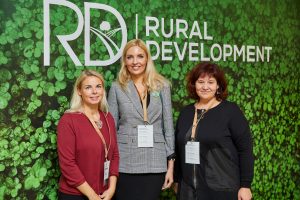
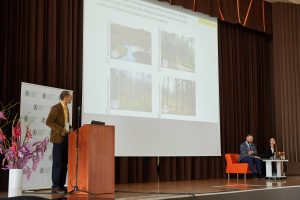
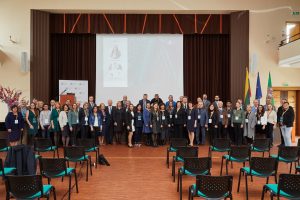
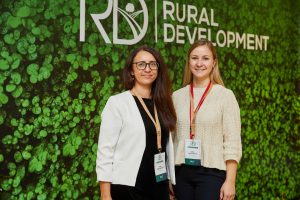
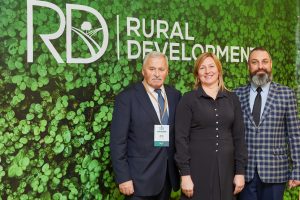
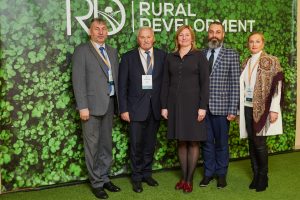
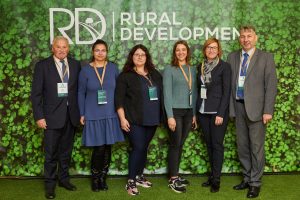
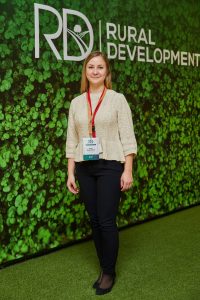
The 10th anniversary international scientific conference “Rural Development 2021” took place on the 21st – 23rd of September at the Vytautas Magnus University Agriculture Academy (VMU Agriculture Academy). In relation to bioeconomy development in response to the challenges of climate change, the participants of the conference all agreed that pro-active decisions reducing the climate change and securing protection of the depleting biological resources would be necessary with the view towards sustainable development of the world and quality, secure, and clean life of the humankind.
Growing Role of Research that Brings Positive Change
150 experts representing 20 countries gathered for the event both directly and remotely to discuss and propose economic and social innovations and various solutions to boost the bioeconomic processes. Researchers exploring the topics of agro-innovations and food technologies, biosystem engineering and environment integrity, multifunctional approach for sustainable use of bio-resources and other relevant topics, practitioners, policy-makers, representatives of NGOs, young researchers, and students shared the results of the research. The results of social research for sustainable bioeconomy and climate change were presented.
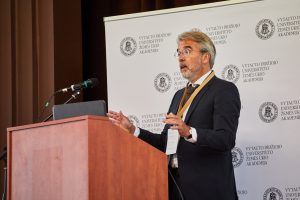
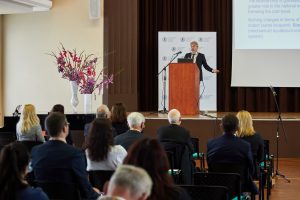
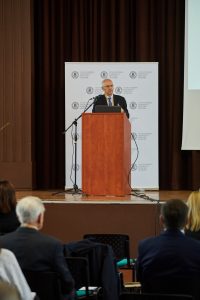
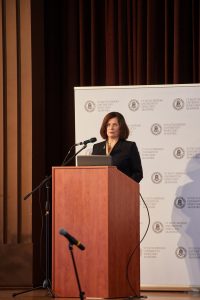
In her welcome speech, Prof. Dr Astrida Miceikienė, Chancellor of the VMU Agriculture Academy reminded the participants of its history. She took the audience back to the year 2003 when the conference “Rural Development” took place at the Academy for the first time to explore the changes that were taking place at that time. “Now, same as then, the world is moving rapidly on the path of change, and the role of science that provides recommendations, forecasts, and develops innovations is particularly important. The mission of the Academy reflects our main goal – to develop and disseminate the scientific knowledge and make sincere effort to secure healthy food and fully fledged living environment for all the Lithuanian citizens. We can do more by keeping up with the global changes and novelties, sharing the innovative ideas, experience, and research results,” – said Prof. Dr A. Miceikienė.
Researchers at the VMU Agriculture Academy – Experts for the European Commission
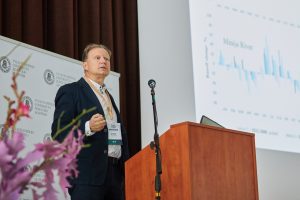
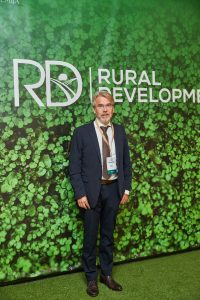
Mr Pacôme Elouna Eyenga (Belgium), Head of Innovation and Knowledge exchange EIP-AGRI, started the plenary session of the Conference by presenting the key achievements, focus group discussions of the EIP-AGRI (The European Innovation Partnership for Agriculture Productivity and Sustainability) established by the European Commission. The speaker emphasized the importance of knowledge exchange and announced the VMU Agriculture Academy as an important EIP-AGRI partner for the new period, as the researchers at the Academy provide professional expert serves in research and spread of agricultural innovations.
From Identification of Challenges to Dissemination of the Best Practice
Researchers from Germany, France, Sweden, and Lithuania delivered their presentations at the plenary session of the Conference. Key sustainability principles and necessary systemic changes to secure global sustainability were discussed. The researchers called the general public to consider the depleting natural resources and provided hands-on proposals on the preservation thereof. Experts specializing in different areas were invited for more detailed deliberation of the important topics in different sections, and the conclusions thereof were then presented at the final plenary session.
The section dedicated to presentations on agro-innovations and food technologies covered the problems of excessive food consumption, excessive waste amounts and pesticide use, soil preservation in view of the Green Deal. “It is important to think about the Green Deal, new strategies that would help reduce the farming intensity and, at the same time, preserve the soil productivity. The solution could lie in the alternative non-chemical pesticides that reduce the risk to the human, general public, and the entire ecosystem. Today, we already have the possibility of find the solution in fighting the pests without the use of chemicals,” – said Assoc. Prof. Dr Rimantas Vaisvalavičius in his review of the studies presented by the researchers. “The resources are limited. We have to explore the ways to reduce the amounts of waste and the solutions of recycling and reuse. We must think not only about own health, but also about the environment as we are consuming,” – concluded Mr R. Vaisvalavičius, the moderator of the section.
Focus on Natural Resources for Abatement of the Climate Change Processes
Prof. Dr Algirdas Jasinskas presented the key insights of the session dedicated to presentations on biosystem engineering and environment integrity. The researchers’ presentations supported the relevance of the Green Deal goals and the necessity of finding the solution to the challenges of climate change. “Researchers take active interest in the renewable energy possibilities, technology and environmental safety, optimization of agricultural equipment and technologies, sustainable animal husbandry. With the view towards the coming decade, we have sufficient biomass resources, but their use is narrow, and mostly concentrated on biofuel production. Hence, to follow the Green Deal path, we need to take a broader perspective and action,” – said Prof. Dr A. Jasinskas.
The section dedicated to the multifunctional approach for sustainable use of bio-resources focused on the forests as the main research object. The researchers were exploring the forest values, biological and genetic diversity, causes of the climate change. They covered the goals of the EU Forest Strategy for 2030 that provide for adaptation of the European forests to the new conditions as continuation of the socio-economic function and in order to secure viability of rural areas. “People have irreversibly altered the natural course, and it is particularly important to explore the ways to maintain sustainable forests,” – concluded Prof. Dr Darius Danusevičius, the section moderator, in his review of the research findings.
The Importance of Systemic Changes in Process Management and Formation of Society Practices
The section of social research for sustainable bioeconomy and climate change responded to the key questions raised at the Conference including the social practice, social and cultural changes on the path towards the Green Deal, social innovations for bioeconomy development in response to the COVID-19 pandemics, reconsideration of the agricultural and rural development policy system, creation of the smart rural development models, and placing particular attention on the solutions for development of a sustainable food system. “Although a fairly large share of research is still on the conceptual level, the researchers have also shared relevant findings of empirical studies. The topics generated in preparation for the conference were doubtlessly covered at the Conference. The Conference has gathered researchers and practitioners and has enabled them to share the research results, international insights, experience, and ideas,” – concluded Prof. Dr. Vilma Atkočiūnienė in her review of the research presented during the section.
The key Conference goals were achieved successfully: interdisciplinary scientific discussions were promoted, new ideas on the rural development processes in the context of bioeconomy, climate change, innovations, and social context were presented. The event that gathered over 150 internationally recognized researchers has demonstrated that the science is already taking steps towards the safer future. The Conference has enhanced research collaboration, supported the need and prospects for the business and science synergy, and has provided the grounds for further collaboration.
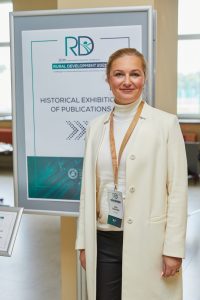
You are welcome to listen to the presentations of the plenary session of the international scientific conference “Rural Development 2021” and reviews of the section presentations at the final plenary session.
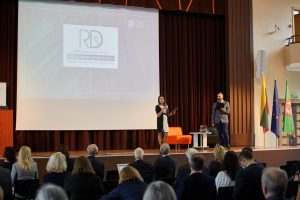
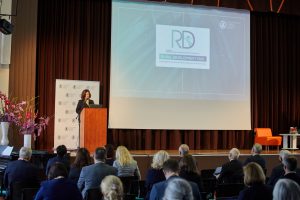
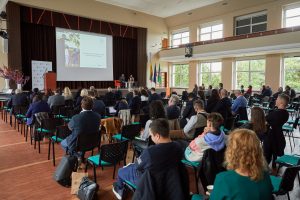
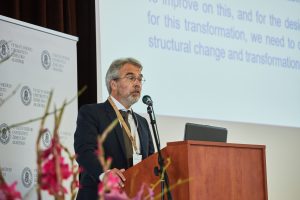
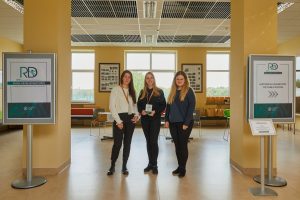
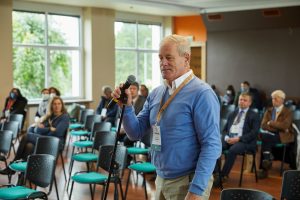
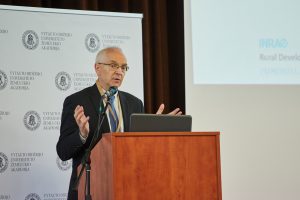
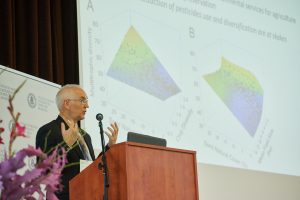
Business and Science Forum: Challenges and Prospects of the Green Deal Addressed
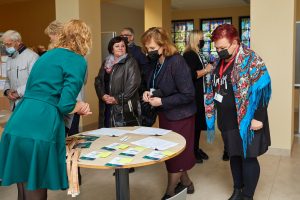
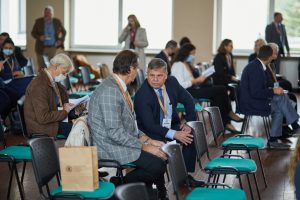
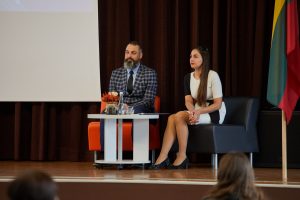
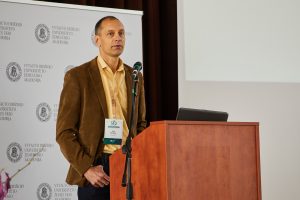
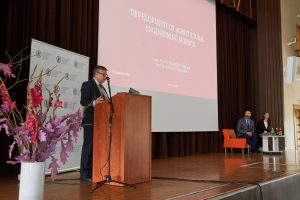
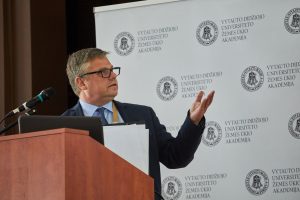
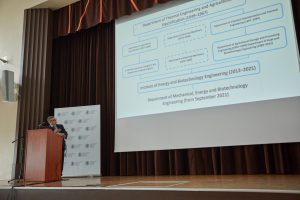
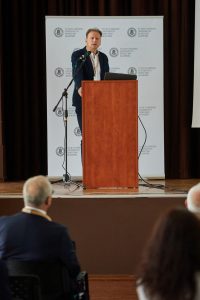
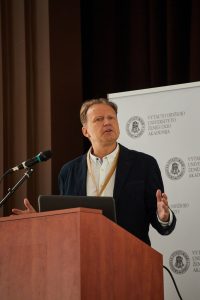
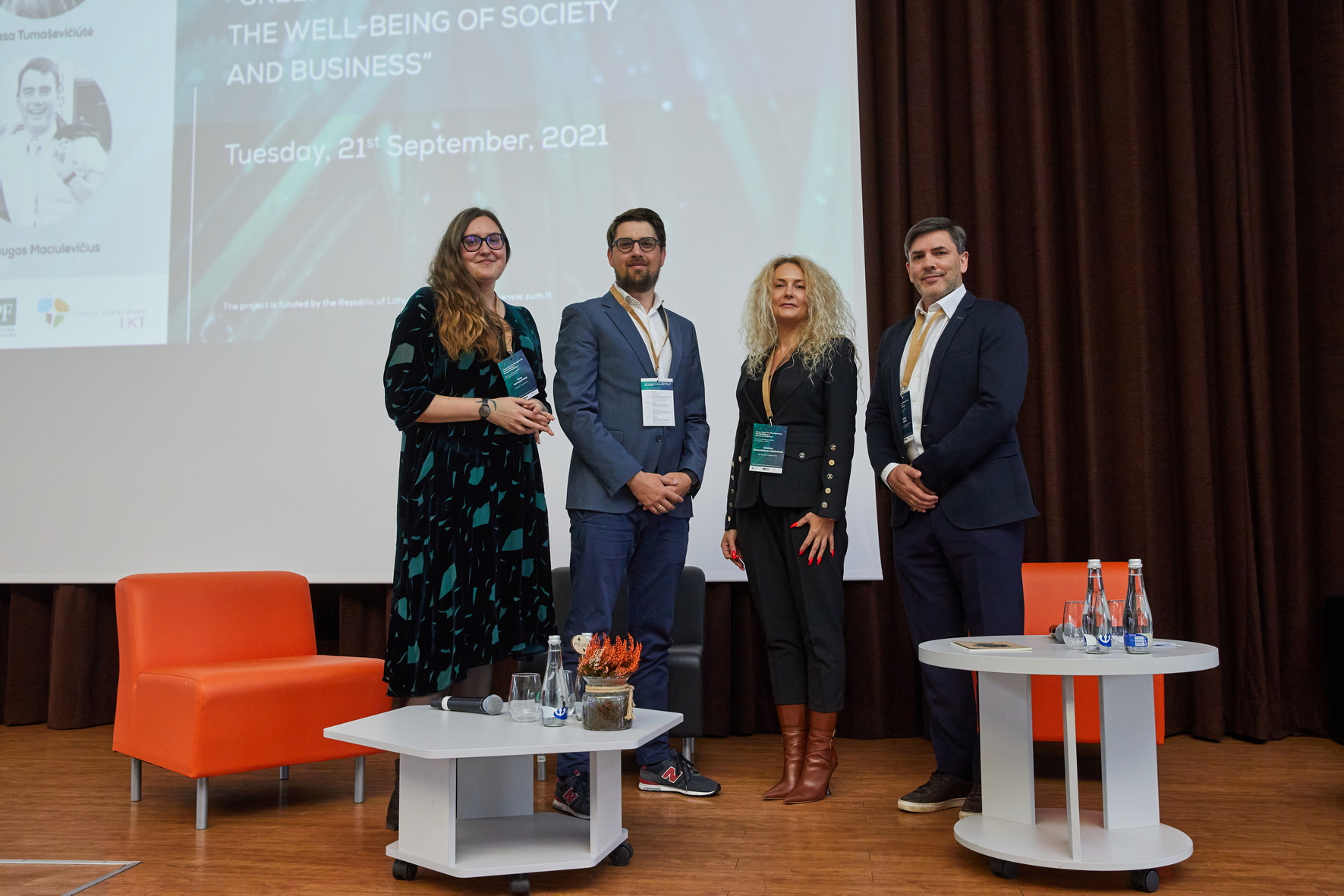
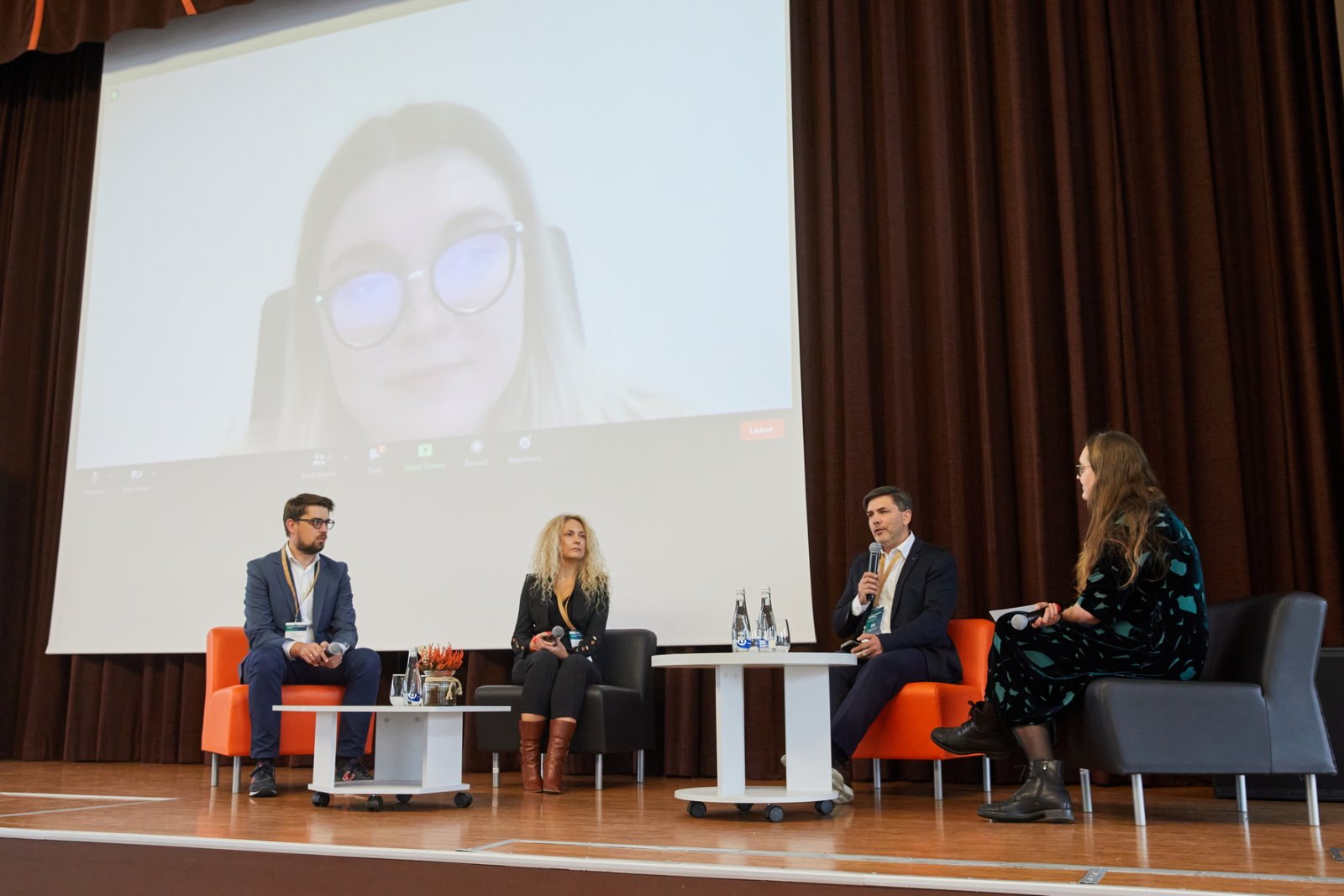
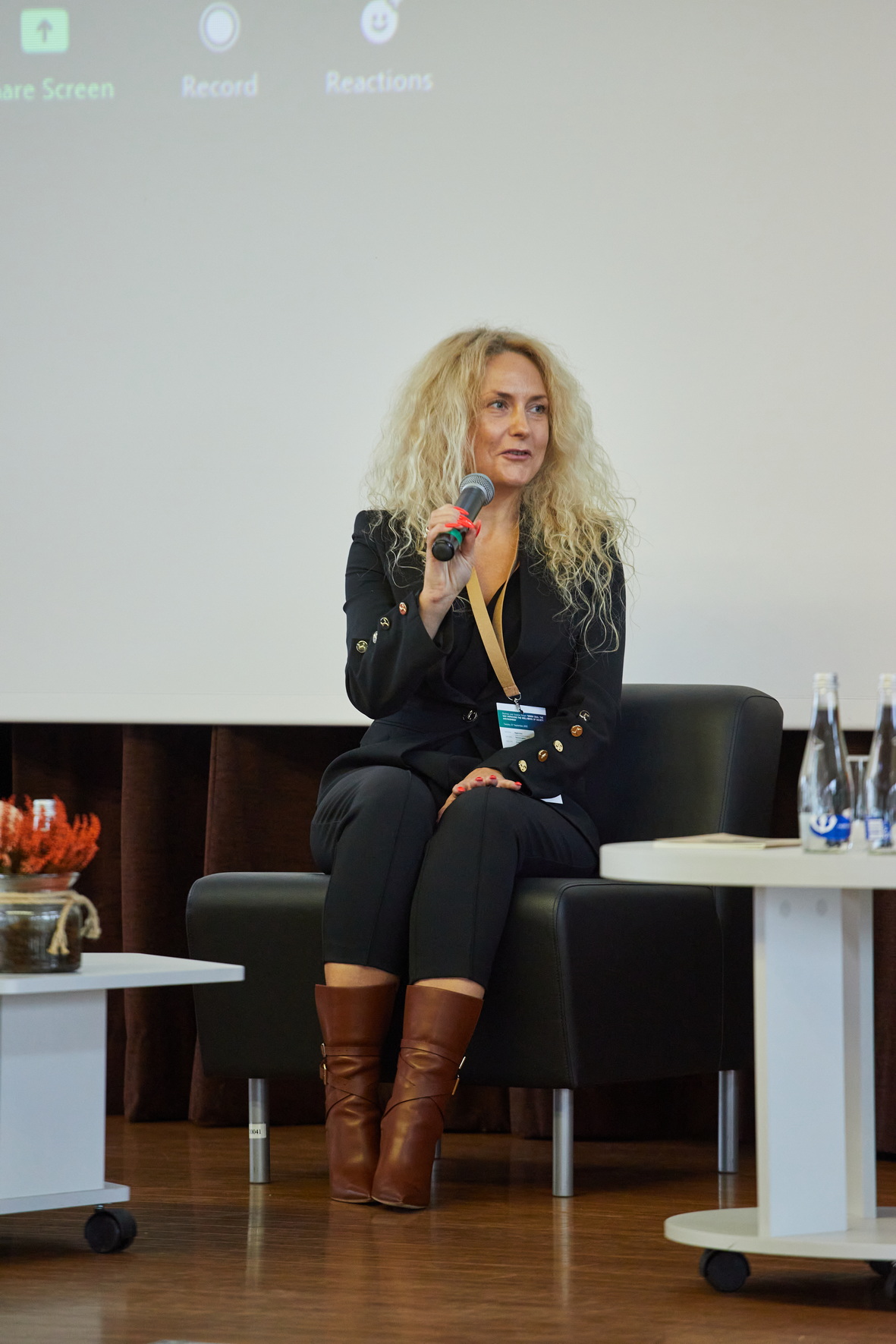
The Forum – International Conference “Green Deal: Guidelines Improving the Well-being of Society and Business” took place at the Vytautas Magnus University Agriculture Academy (VMU Agriculture Academy) on the 21st of September. The leaders of science and business of an international scale held discussions in the efforts to find the solutions for more efficient use of natural resources enabling preservation of the biological diversity, reducing the pollution and securing the well-being of people at large through development of sustainable economy of the EU.
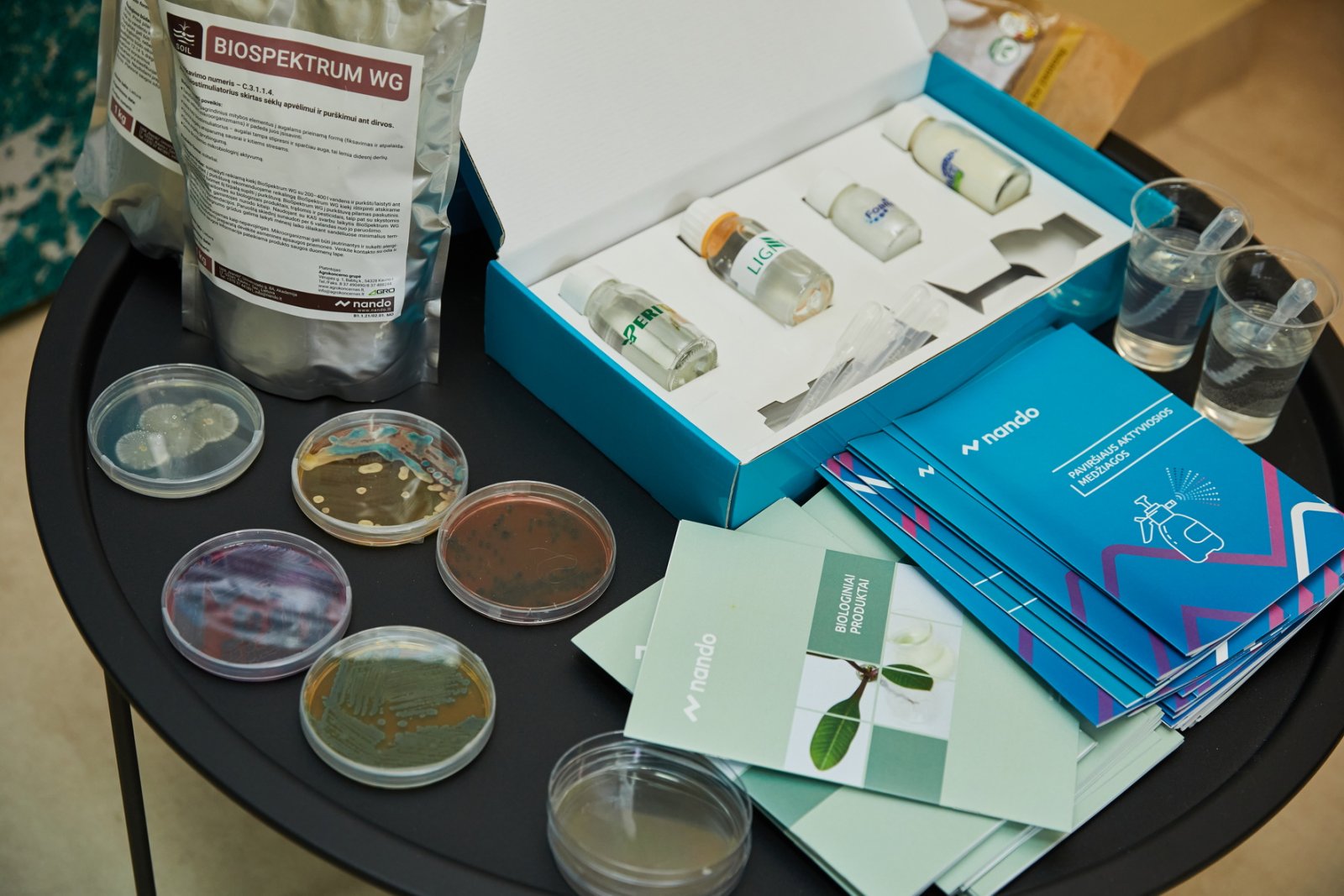
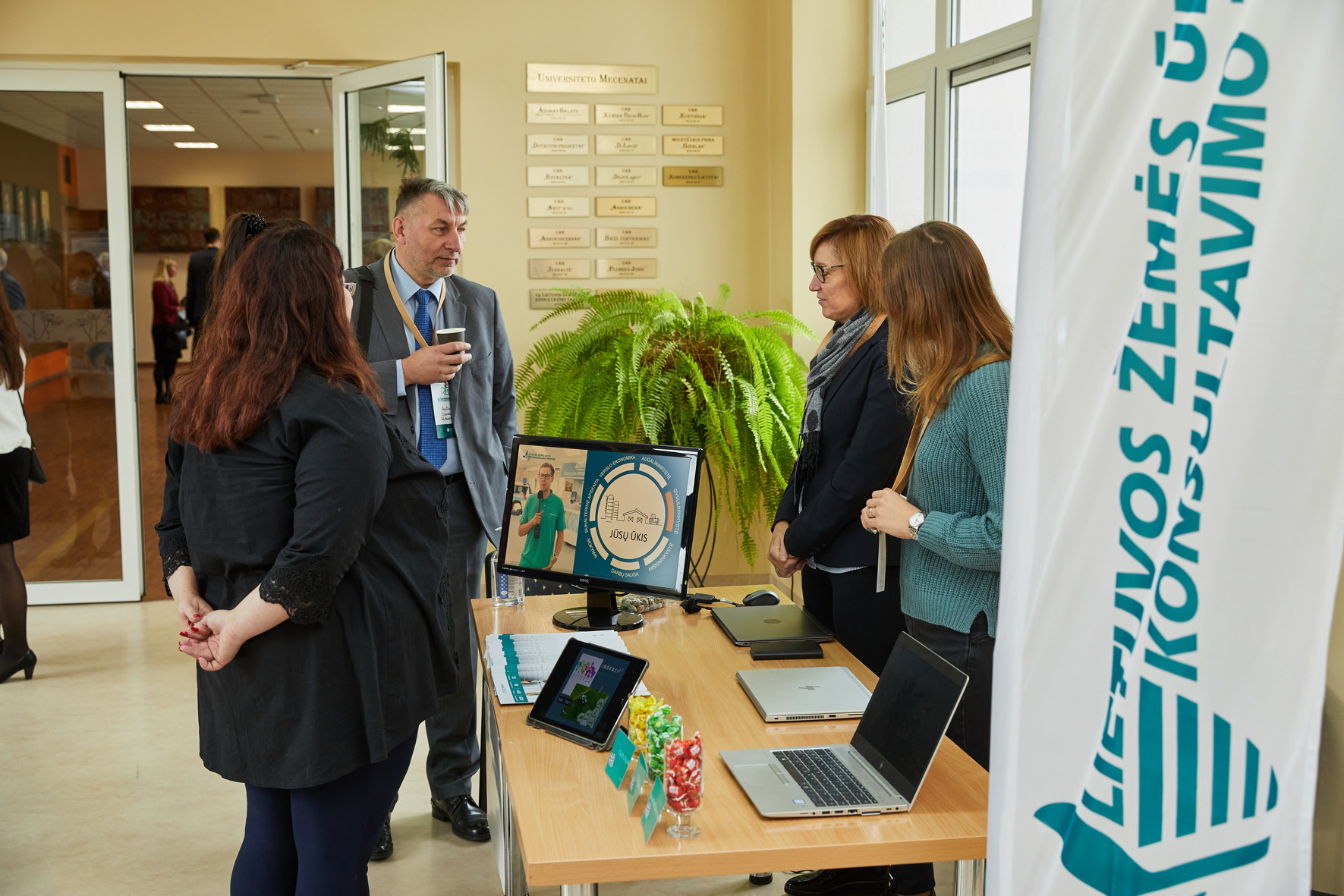
The participants of the Forum were welcomed by the event hosts at the expo area where the natural product producers, the Association of Cannabis Growers, Processors and Business Innovators (KAPVIA) and raw fruit and berry dried pulp sheet producer Dream Food, shared their best practice and experience. The participants could also hear more from the companies offering innovative solutions for business participating at the expo, such as Nando Labs, UAB conducting research in chemistry, providing raw chemicals and research consultancy services. The Lithuanian Agricultural Advisory Service presented the Applied Innovation Research and Results Information System (TITRIS), precision farming, and the Integrated Plant Protection Information, Advisory, and Training Information System (IKMIS).
Special Role of Research and Interdisciplinary Knowledge
Business, research, and political representatives participated in joint discussions of the role of science in implementation of the farm to fork strategy, explored the ways and measures to secure healthy and environmentally friendly food for the consumers and reduce food waste. Participants of the Forum placed particular focus on the challenges associated with the development of the European Green Deal, exchanged their ideas on investments into environmentally neutral technologies and innovative business solutions.
The European Commission has set the target of at least 55% cut of the greenhouse gas emissions by 2030 (compared to the level of 1990) and expects Europe to become the first climate-neutral continent on the planet by 2050. “These ambitious goals have the key role of guiding us in the right direction. Even if we fail to fulfil them, it won’t mean we will have failed, as the progress we’ll have done will help us stay on the right path,” – said Ms Kristina Simonaitytė, Advisor to the Minister of Agriculture of the Republic of Lithuania, who also participated in the discussion.
Mr Aušrys Macijauskas, the Chairman of the Lithuanian Grain Growers’ Association, shared his concern with the Forum participants, namely, that the significant drop in EU᾽s food production estimated by the researchers in the future may lead to a considerable increase in the imports of low-cost, unsustainable food products from the third countries.
According to Mr A. Macijauskas, there are great challenges ahead of us, and we still do not have any one-fit-all simple solution that would enable us to overcome them successfully in order to secure biological diversity, become climate-neutral, and produce sufficient amounts of food for the consumers. “We are capable of achieving the goals. This, however, requires considerable investments and greater involvement of researchers. We need educated farms, smart equipment for precision farming enabling 5- to 10-fold reduction in the use of pesticides. We also need the systems providing timely detection of plant diseases and pests,” – said Mr A. Macijauskas.
Europe, the First Climate-Neutral Continent: Challenge Turned Reality
Both global and national efforts have been made to explore the ways of adaptation to the consequences of the climate crisis, such as growing droughts, floods, and other natural disasters, and the methods of sustainable farming to make sure that the farming activity by the human is not environmentally damaging. Nonetheless, the participants of the Forum have agreed that there is still a lot to be done in this respect.
“Agriculture is a sector that is still insufficiently digitalized and yet remains fairly conservative. Today, we are talking about multiple steps that need to be made in order to have true transformation. We need a wider perspective to be able to see what should be done,” – said Ms Kristina Šermukšnytė-Alešiūnienė, Director of AgriFood Lithuania DIH and Director of the Lithuanian Cluster Network.
Mr Jonas Ignatavičius, CEO of Nando Labs, UAB, who delivered his presentation “The Role of Water in Agricultural Spray Solutions”, mentioned that people’s mindset and disbelief in the Green Deal would be the greatest challenges at the moment. “We cannot take a step back. Changes are inevitable and we will have to be prepared for them. The businesses that will take the first steps, will gain the most, but assistance from the Government is what they need,” – said Mr Ignatavičius.
The ideas of economic, environmental, and social sustainability are most noticeable in Iceland, the country with impressive resources of geothermal energy. The success story of this country was shared at the Forum by Prof. Dr Inga Minelgaitė (University of Iceland) in her presentation “Make Sustainability Stick for Society and Business: The role of societal culture. Case of Iceland”.
Prof. Dr Vilma Atkočiūnienė representing VMU Agriculture Academy, Mr Andreas Meyer-Aurich representing Humboltd University of Berlin, Leibniz Institute for Agricultural Engineering and Bioeconomy, and Ms Ieva Valeškaitė, Vice-Minister of the Economy and Innovation, also participated in the discussions.
The aim of the Forum was to support the discussions on the strategic approaches, challenges, and possibilities in development of the sustainable economy of the EU; business initiatives for effective use of resources to secure circular economy and biological diversity through reduction of pollution that affects local and global decisions with the view towards the well-being of people and business.
The discussions that took place at the Forum demonstrated that the science, business, and Government share the same views regarding the direction to be taken in implementation of the Green Deal. It is, however, also important to find common measures that would be assisted by the Government and researchers in terms of their implementation. Business, in turn, should take initiative in implementation of the Green Deal objectives. The companies that shared their innovative solutions at the Forum agreed that the Green Deal direction is feasible. It is, however, obvious that the collaboration between business, science, and Governmental sectors and the confidence in a more sustainable future are needed.
Project “Implementation of Communication Measures Promoting the Effective Application of RDP for Innovation in Rural Areas, Development of Short Food Chains, Promotion of LEADER Cooperation and Sustainable Bioeconomic Solutions” No. PLKT-KK-20-2-09779-PR001 was financed under the Lithuanian Rural Development Program 2014–2020. The project is supported by the European Agricultural Fund for Rural Development and the Republic of Lithuania.









Visit of Transform4Europe Alliance representatives at VMU Agriculture Academy
On September 16 Vytautas Magnus University Agriculture Academy was visited by the partners of the European Univeristy Transform4Europe Alliance: a delegation from the University of Silesia in Katowice (USil) from Poland and representatives of the Estonian Academy of Arts (EKA). The guests were greeted by International Coordinators A. Nausėdienė and E. Makrickiene. During the meeting, the possibilities of cooperation in science and studies were discussed. The guests were introduced to the activities of the Aquaculture Center.
The meeting at the Agriculture Academy was a part of the Transform4Europe alliance partners’ visit to Vytautas Magnus University on September 15-17. The project partners and representatives of VMU faculties discussed the most urgent issues, such as new mobility patterns, research models, the perspectives of setting up joint master’s programs, and emerging research opportunities. Student council representatives introduced the guests to possible joint study and leisure initiatives.
We are delighted and proud that Vytautas Magnus University was chosen as the first destination for an experience sharing visit among Transform4Europe partners. We hope that this visit will strengthen academic cooperation and hasten the goals of the Transform4Europe initiative and that such visits will become a common practice among seven partner universities: Saarland University (Germany), University of Alicante (Spain), Estonian Academy of Arts (Estonia), Silesia University In Katowice (Poland), Sofia University St. Kliment Ohridski (Bulgaria), University of Trieste (Italy) and Vytautas Magnus University (Lithuania).



More information about Transform4Europe.
Competition for Exchange Studies and Traineeships
VMU International Cooperation Department invites all students of the VMU take advantage of an opportunity and apply for student exchange and internship abroad. You only need to fill the application for the competition: make the first step towards your dream!
We offer even four different programmes for international mobilities:
- Erasmus+ studies (EU countries). Submit your applications by 4 October 2021.
- VMU bilateral exchange and Erasmus+ studies (for non-EU /EEA countries). Submit your applications by 4 October 2021.
- Erasmus+ internships (EU / EEA countries). Submit your applications by 3 October2021.
- International internships (non-EU / EEA countries). Submit your applications by 31 October 2021.
Undecided where to go? On September 22–24 join Erasmus Days’21 during which you will be able to find out more about exchange opportunities. The events will allow you to get to learn about the mobility opportunities, hear about experiences of other students, and join various interesting and meaningful initiatives. During these three days full of both online and on-site events, students will share their experiences, meals, participate in competitions, hike, watch movies and do other fun and exciting things.
Greetings from the Chancellor of the VMU AA on 1 September
Dear students, colleagues, graduates – all community of VMU AA
I wish you all a Very Happy New Academic Year!
VMU Orientation Week – Autumn Semester 2021
International Cooperation Department of Vytautas Magnus University is organising the Orientation Week . During this week, you will get to know VMU faculties, while Survival Lithuanian courses will guide your through the Lithuanian history, culture, and our beautiful city Kaunas. Students will be able to participate in interesting events, find new friends and have a splendid time with each other. Orientation Week will take place from August 23rd to September 1st.
We are looking forward to see you soon!
Programme of the event can be found here
- About
- About Agri-Food BM programme
- Academic infrastructure units
- All events
- All news
- Aquaculture center
- Archives
- Biosystems Engineering
- Center of Animal husbandry selections, breeding values and dissemination
- Centre of Biosystems Engineering, Biomass Energetics and Water Engineering
- Circular Biobased Economy
- Climate change
- Contacts
- Contacts
- Events
- Events archive
- Faculties
- For business and society
- Innovative products
- International Cooperation
- International projects
- Joint Research Centre of Agriculture and Forestry
- Journal “Human and Nature Safety”
- Laboratory of Technology Safety
- Laboratory services
- Living Environment
- More labs
- News
- Project
- QUALS project description
- Research
- Research areas
- Scientific events
- Scope
- Sitemap
- Studies
- Study programmes
- Technology Transfer & Commercialization
- THE ROLE OF ORGANISATION IN THE PROJECT
- THE ROLE OF ORGANISATION IN THE PROJECT
- THE ROLE OF ORGANISATION IN THE PROJECT
- The Study Process
- Žemės ūkio žinių ir inovacijų sistemos klasteris