Announcement of the VMU Agriculture Academy Employees’ Teaching and Learning Materials and Research Works Competitions, and the Initiative for Submitting and Granting Nominations
We invite employees of Vytautas Magnus University Agriculture Academy (VMU AA) to participate in the Teaching and Learning Materials and Research Works competitions, share their significant achievements with the community, and celebrate their accomplishments.
Awards for the competition winners will be presented during the ceremonial commemoration of the Day of the Restoration of the Independence of Lithuania, which will take place in the VMU AA Ceremonial Hall on March 10 at 13:00.
TEACHING AND LEARNING MATERIALS COMPETITION
The Teaching and Learning Materials (TLM) competition is organized to encourage VMU AA lecturers to share their experience in advanced teaching methods and the preparation and use of TLM, to accelerate the development and application of TLM and innovative teaching methodologies, and to motivate lecturers to create and improve TLM and apply them effectively in their pedagogical activities. VMU AA employees (authors) and their teams who have prepared new TLM and applied them in teaching VMU AA students are invited to participate.
The following may be submitted to the competition:
-
Methodological publications (textbooks, study books, lecture notes, laboratory and practical work descriptions, and other methodological publications exceeding 50 pages, published in print or electronic form);
-
Visual teaching aids (devices, tools, laboratory and demonstration stands, mock-ups, models, collections of studied objects, video recordings, poster sets, and other materials);
-
Study organization methods and other TLM (comprehensive methodological support for a course, implementation of distance learning, introduction of other innovative study methods, etc.).
Applications for the TLM competition may be submitted by VMU AA academic units or by the authors. Each application must include a recommendation from the academic unit, a copy of the TLM (or indication of its location), and a description including:
-
Title of the TLM;
-
Author information (name, faculty, institute, department, position, academic title and degree, phone number, email);
-
Purpose of the TLM (study programme, subject, subject topics);
-
Relevance (need, previous similar materials, etc.);
-
Methodological compatibility with independent studies (possibilities for active learning and innovative study methods using the TLM);
-
Innovation (novel ways of presenting study material) and scientific quality (use of the latest scientific information and tools, opportunities for student involvement in research);
-
Visual clarity of the knowledge presented and quality of the publication design;
-
Other advantages.
Documents for the competition must be submitted to the VMU AA Study Administration Coordinator, Assoc. Prof. Dr. Rasa Čingienė (rasa.cingiene@vdu.lt or room 229, central building), by February 25.
No more than three prizes will be awarded in each group. First-place winners will receive monetary awards, while second- and third-place winners will receive letters of appreciation.
For more information, contact Assoc. Prof. Dr. Rasa Čingienė: rasa.cingiene@vdu.lt, +370 682 22874.
RESEARCH WORKS COMPETITION
The Research Works (RW) competition is organized to encourage VMU AA lecturers, researchers, and doctoral students to conduct research and disseminate results in high-level international scientific journals or other publications, increase international competitiveness, and contribute to improving the scientific, social, and economic environment of VMU and the country. VMU AA lecturers, researchers, and doctoral students are invited to participate.
Submissions are accepted in the following categories:
-
Research groups category (2–4 authors; each publication must include at least two authors from the participating research group);
-
International researcher category (researcher collaborating with foreign researchers);
-
Young researcher, doctoral student, or their team category (researchers with a doctoral degree aged up to 40 by the application deadline).
Research output from the last two calendar years may be submitted, including:
-
Scientific monographs, monograph chapters, or research studies;
-
Patented scientific output; registered plant or animal varieties;
-
Scientific articles;
-
Oral presentations in plenary sessions of international scientific conferences (with the conference programme attached).
The following must be submitted:
-
A short description (up to one page) of the research work or collection, indicating the title, components, and key aspects meeting the competition criteria;
-
Information about the author(s) (name, position, academic degree, scientific achievements) and their contribution, assessed proportionally to the number of authors or according to a joint signed declaration.
Winners of last year’s RW competition are not eligible to participate.
Submissions are evaluated according to:
-
Originality, novelty, significance for further research development, international scope, and leadership in international research teams;
-
Practical value (with preference given if accompanied by an evaluation or reference from a business or public-sector organization);
-
Scope of scientific output (calculated according to type and author contribution; if no declaration is provided, contributions are considered equal);
-
Dissemination of research results in the media.
Documents must be submitted to the VMU AA Research Activity Coordinator, Assoc. Prof. Dr. Algis Kvaraciejus (algis.kvaraciejus@vdu.lt or room 226, central building) by February 25.
Up to five prizes will be awarded: up to three in the research groups category, and one each in the international researcher and young researcher/doctoral student categories.
For more information, contact Assoc. Prof. Dr. Algis Kvaraciejus: algis.kvaraciejus@vdu.lt, +370 37 752350.
NOMINATION PROCEDURE
To involve VMU AA employees (or groups), lecturers, scientists, researchers, doctoral students, and students in improving the quality of studies, research, and scientific services, creating a motivating work environment, and fostering culture and values, the following nominations will be awarded during the Independence Day commemoration:
-
Project of the Year – for a community member or team for a study, research, or science-communication project successfully implemented in the previous calendar year with significant regional, national, or international impact.
-
Ambitious Start of a Research Career – for students or academic community members without a doctoral degree for active research and achievements. May be awarded once every three years.
-
Employee of the Year – for a staff member not directly involved in studies or research, for significant initiatives, diligence, and loyalty. May be awarded once every three years.
-
Ambassador of the Year – National Partnership – for establishing and developing significant national cooperation with social or business partners. May be awarded once every three years.
-
Ambassador of the Year – International Partnership – for establishing and developing significant international cooperation. May be awarded once every three years.
-
Lecturer of the Year – for outstanding teaching results, including student satisfaction, innovative pedagogy, work with Erasmus+ students, development of teaching materials, partnerships, promotion of study programmes, and supervision of student research. May be awarded once every three years.
-
Student of the Year – for outstanding achievements in studies, research, organizational, or social activities. May be awarded once per study cycle.
Nominations must be submitted to the Deputy Chancellor of VMU AA, Dr. Laima Skauronė (laima.skaurone@vdu.lt or room 228, central building) by February 20.
Number of awards:
-
Project of the Year, Ambitious Career Start, Employee of the Year – one each;
-
Ambassador of the Year – two awards;
-
Lecturer of the Year, Student of the Year – four awards each.
For more information, contact Dr. Laima Skauronė: laima.skaurone@vdu.lt, +370 615 21559.
The Teaching and Learning Materials and Research Works competitions, as well as the nominations, are organized and awarded according to regulations approved by the VMU AA Chancellor’s orders of February 3, 2026 (No. ŽŪA-2026-8 and ŽŪA-2026-9) and February 5, 2026 (No. ŽŪA-2026-12).
Student Registration into Study Subjects for Spring Semester
The first stage of the spring semester 2025/2026 registration for lectures, seminars and laboratory works is on 26-30 January. At this stage, the registration is open:
- For full-time and part-time students of bachelor and integrated studies
- For full-time and part-time students of master studies
- For full-time students of professional studies
- For part-time free-movers
- For part-time exchange students
Enrolment will be performed online only, having connected to VMU Students’ Portal.
A username is: name.surname (lowercase, Latin alphabet letters only) and a password.
If a student has forgotten the password, they can set up a new one here. Instructions are available here.
32st International Scientific-Practice Conference “HUMAN AND NATURE SAFETY 2026”
CONFERENCE ANNOUNCEMENT
It gives us immense pleasure to invite You to the 32st International Scientific-Practice Conference “HUMAN AND NATURE SAFETY 2026”, which will take place in Vytautas Magnus University, Kaunas, Lithuania, 6–8 May, 2026. The annual conference “HUMAN AND NATURE SAFETY” is organized on occasion of the International Days of Health, Environmental Protection and Occupational Safety & Health.
The aim of the Conference is to discuss interrelated human safety & health and environment protection problems, present the results of the newest research and to create opportunities for scientists and young researchers to share the research results not only among researchers and students, but also between farmers, agricultural experts, representatives from forestry and other sectors. Also, to promote a safe, healthy, and environmentally friendly lifestyle.
Sections of the Conference:
- Biosystem Engineering;
- Environment and Health, dedicated to 140th anniversary of the prof. K. Grybauskas and prof. L. Vailionis;
- Ecology, Nature-based Solutions, Sustainable Forestry.
Conference Seminars:
- Medicinal Plants: Scientific Value, Practical Application, and Ethnopharmacognostical Heritage (6th May 2026, VMU Botanical Garden, 12:00-16:00).
- Biodiversity and Nature-based Solutions (8th May 2026).
Important dates:
- until 6th February 2026 – registration;
- until 6th March 2026 – publication submission;
- until 20th March 2026 – participation fee;
- until 31st March 2026 – editorial board decision on the suitability of the article for printing.
Scientific articles will be published in the selected papers of 32st International Scientific-Practice Conference “ŽMOGAUS IR GAMTOS SAUGA 2026 / HUMAN AND NATURE SAFETY 2026”. Edition of the selected papers is indexed by Central & Eastern European Academic Source (EBSCO).
Contacts:
Chairperson of Organizing Committee – acad. prof. dr. Egidijus Šarauskis
Tel. +370 686 47539;
E-mail: egidijus.sarauskis@vdu.lt
Conference administrator – Nijolė POŠKIENĖ
Tel. +370 37 752357;
E-mail: nijole.poskiene@vdu.lt
Conference e-mail: zmogaus.sauga@vdu.lt
Conference website: https://zgs.vdu.lt/en
Conference events will be organized in-person.
We would appreciate if You share this information with everyone that might be interested in participation.
Looking forward meeting You in the 32st International Scientific-Practice Conference “HUMAN AND NATURE SAFETY 2026” at Vytautas Magnus University.
32st International Scientific-Practice Conference “HUMAN AND NATURE SAFETY 2026”
CONFERENCE ANNOUNCEMENT
It gives us immense pleasure to invite You to the 32st International Scientific-Practice Conference “HUMAN AND NATURE SAFETY 2026”, which will take place in Vytautas Magnus University, Kaunas, Lithuania, 6–8 May, 2026. The annual conference “HUMAN AND NATURE SAFETY” is organized on occasion of the International Days of Health, Environmental Protection and Occupational Safety & Health.
The aim of the Conference is to discuss interrelated human safety & health and environment protection problems, present the results of the newest research and to create opportunities for scientists and young researchers to share the research results not only among researchers and students, but also between farmers, agricultural experts, representatives from forestry and other sectors. Also, to promote a safe, healthy, and environmentally friendly lifestyle.
Sections of the Conference:
- Biosystem Engineering;
- Environment and Health, dedicated to 140th anniversary of the prof. K. Grybauskas and prof. L. Vailionis;
- Ecology, Nature-based Solutions, Sustainable Forestry.
Conference Seminars:
- Medicinal Plants: Scientific Value, Practical Application, and Ethnopharmacognostical Heritage (6th May 2026, VMU Botanical Garden, 12:00-16:00).
- Biodiversity and Nature-based Solutions (8th May 2026).
Important dates:
- until 6th February 2026 – registration;
- until 6th March 2026 – publication submission;
- until 20th March 2026 – participation fee;
- until 31st March 2026 – editorial board decision on the suitability of the article for printing.
Scientific articles will be published in the selected papers of 32st International Scientific-Practice Conference “ŽMOGAUS IR GAMTOS SAUGA 2026 / HUMAN AND NATURE SAFETY 2026”. Edition of the selected papers is indexed by Central & Eastern European Academic Source (EBSCO).
Contacts:
Chairperson of Organizing Committee – acad. prof. dr. Egidijus Šarauskis
Tel. +370 686 47539;
E-mail: egidijus.sarauskis@vdu.lt
Conference administrator – Nijolė POŠKIENĖ
Tel. +370 37 752357;
E-mail: nijole.poskiene@vdu.lt
Conference e-mail: zmogaus.sauga@vdu.lt
Conference website: https://zgs.vdu.lt/en
Conference events will be organized in-person.
We would appreciate if You share this information with everyone that might be interested in participation.
Looking forward meeting You in the 32st International Scientific-Practice Conference “HUMAN AND NATURE SAFETY 2026” at Vytautas Magnus University.
VMU Agriculture Academy Autumn Intake 2026/2027 is open!
Would like to gain strong knowledge, solid skills, and invaluable international experience? Thinking about an unforgettable European student adventure and traveling the world?
Top-quality studies in a high-ranking university and living in Kaunas – located in the center of Europe – may be the perfect combination for You.
Your lifetime adventure can start now with Vytautas Magnus University (VMU) Agriculture Academy.
Application is open from November 1, 2025, for Autumn Intake 2026/2027 study programmes:
- Accounting and Finance / Учет и Финансы (BA)
- Sustainable Bio-business Management (BA)
- Logistics and Commerce (BA)
- Sustainable Engineering (BA)
- Accounting and Finance (MA)
- Agronomy (MA)
- Aquamatics (MA)
- Business Logistics (MA)
- Customs Process Management (online) (MBA)
- Ecology and Climate Change (MA)
- Rural Development Administration (MA)
- Sustainable Energy (MA)
APPLY HERE -> vytautasmagnus.dreamapply.com
Application opens: |
November 3, 2025 – for MA programmes December 1, 2025 – for BA programmes |
Deadlines: |
For applicants from non EU/EFTA countries: April 1, 2026 – for MA programmes May 1, 2026 – for BA programmes |
| For applicants from EU/EFTA countries and citizens of visa-free countries (Please check here if you are not required to have a visa to enter Lithuania): July 1, 2026 – for BA and MA programmes |
|
List of all Vytautas Magnus EN study programmes: |
For a Bachelor’s degree > here For a Master’s degree > here |
Note (!) Diplomas may be added after application deadline.
APPLICATION AND ADMISSION PROCEDURE:
DETAILED INFORMATION:
- Information about Application and Admission Procedures.
- Information about Tuition Fees.
- Information about Scholarships.
- F.A.Q.
- More information about VMU Agriculture Academy study programmes.
Contact person: VMU Agriculture Academy International Coordinator Ekaterina Makrickiene ekaterina.makrickiene@vdu.lt, +370 37 752 386.
Lecture by Istanbul Technical University Professor M. Kaya “Innovation and Sustainable Bioengineering: The Future of Material Science and Perspectives in Agronomy and Biotechnology”
The community of Vytautas Magnus University Agriculture Academy (VMU AA) has a unique opportunity to attend a lecture by Professor Murat Kaya from Istanbul Technical University – one of the oldest and most prestigious technical universities in Europe.
Professor M. Kaya’s lecture “Innovation and Sustainable Bioengineering: The Future of Material Science and Perspectives in Agronomy and Biotechnology” will take place on:
-
October 31 (Friday) at 10:00 a.m., VMU Agriculture Academy Central Building, Room 524;
-
November 6 (Thursday) at 1:00 p.m., Central Building, Room 506;
-
November 7 (Friday) at 10:15 a.m., Central Building, Room 321.
Professor M. Kaya is an internationally recognized expert in innovative materials and sustainable engineering. His research focuses on the development and application of advanced materials in various fields, such as:
-
Agriculture – materials for soil improvement, plant protection, and sustainable farming;
-
Medicine – biomaterials and technologies for healthcare innovations;
-
Food preservation and packaging – next-generation materials that help maintain product quality and reduce waste.
During his lectures, Professor M. Kaya will share his expertise and insights on:
-
the latest trends in sustainable engineering and materials science;
-
practical examples of innovation implementation;
-
collaboration opportunities between universities, research centers, and industry.
We warmly invite students, lecturers, researchers, and everyone interested in innovation, sustainability, and modern technologies! Don’t miss the opportunity to hear inspiring insights from one of the leading professors of Istanbul Technical University!
Conference “Young Scientist 2026”
The 23rd annual conference of young scientists “Young Scientist 2026” organized by the Vytautas Magnus University Agriculture Academy (VMU AA) will be held on April 16 2026 remotely. The conference is intended for the first, second and third degree students. The purpose of the conference is to involve students in scientific activities, develop the ability to publicize scientific research results, present their scientific research achievements and discuss topical issues of bioeconomy, green course, climate change, ecosystem sustainability, rational use and protection of natural resources.
There is no conference fee for students. Certificates of conference participants will be awarded to the speakers of the conference.
Speakers will be able to publish articles in the collection of articles of the conference “Young Scientist 2026”.
| Conference topics |
Subtopics
|
| Bioeconomy | Accounting and finance: challenges and opportunities |
| Bioeconomy, sustainability of agriculture and food sector | |
| Innovations and solutions in business logistics | |
| Management of agri-business and other bioeconomy business organizations | |
| Sustainable development of rural areas | |
| Biosystems engineering | Energy engineering |
| Land management | |
| Mechanical engineering | |
| Technology engineering | |
| Transport engineering | |
| Water engineering | |
| Sustainability of agricultural, forest, and water ecosystems | Agronomy |
| Food quality and safety | |
| Sustainability of agricultural ecosystems | |
| Ecosystem services | |
| Sustainable forestry | |
| Wildlife population management |
The electronic version of the article (Surname_Name.docx) must be submitted by email to the section coordinator (contacts listed in the GUIDELINES ON PUBLICATION OF THE ARTICLES BY THE CONFERENCE SPEAKERS) by 16 March 2026.
The articles must be prepared according to the recommendations for the authors of the articles (Article template, Authors guarantee letter).
Pre-registration for the conference until February 10, 2026.
International Scientific Conference “Rural Development 2025: Resilience to Global Change” – A Comprehensive Approach to a Sustainable Future
On October 1–3, the Vytautas Magnus University Agriculture Academy (VMU AA) hosted for the twelfth time the international scientific conference “Rural Development 2025: Resilience to Global Change”, which became a vibrant hub of knowledge exchange and international dialogue. This year’s conference theme – resilience to global changes – encouraged participants to share experience and insights and to address issues related to climate change, biodiversity loss, geopolitical challenges, and other regional and global problems in order to develop effective and sustainable rural development strategies.
Sharing Knowledge as a Driver of Meaningful Change
This year, the international scientific conference “Rural Development 2025: Resilience to Global Change” brought together 366 scientists, researchers, and guests from 22 countries – Finland, Sweden, Japan, Germany, Greece, Malaysia, Poland, Latvia, Spain, the Czech Republic, Slovakia, Albania, Kenya, Estonia, Portugal, Belgium, Mozambique, Morocco, the Netherlands, France, and Ukraine.
The event stood out for its high level of international engagement, having been organized in cooperation with global partners: AgroSERV – Agroecology European Research Infrastructure Services (France) and Forschungszentrum Jülich (Germany).
In her welcoming address, Professor Dr. Astrida Miceikienė, VMU Vice-Rector for Strategic Development and Finance and Chair of the Conference Scientific Committee, emphasized that this well-established conference unites scientists, policymakers, practitioners, and community leaders from various countries.
“The VMU Agriculture Academy is proud to serve as a space where knowledge, ideas, and experience are shared and exchanged in pursuit of a sustainable future.
This year’s central theme – resilience to change – is of particular importance. Agriculture, forestry, and rural communities worldwide are facing tremendous challenges: climate change, biodiversity loss, geopolitical shifts, bioeconomy development, demographic and social transitions, and more.
Therefore, this conference is dedicated to dialogue, exchange, and inspiration. I hope that the knowledge shared here will contribute to meaningful transformations within communities and beyond,” said Prof. Dr. A. Miceikienė.
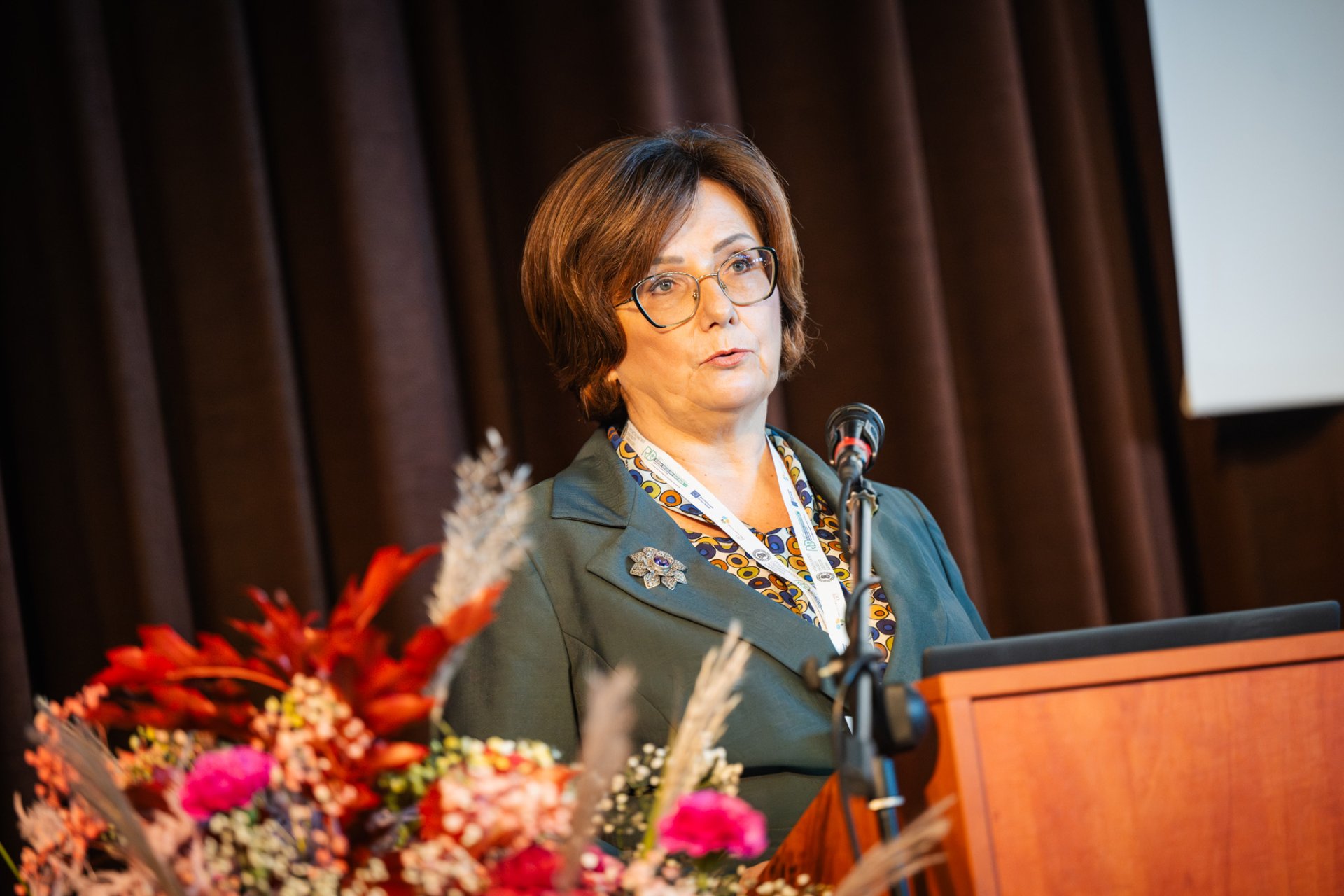
Professor Dr. Astrida Miceikienė, VMU Vice-Rector for Strategic Development and Finance and Chair of the Conference Scientific Committee
New Perspectives: From Research to Practice
Transitioning toward a sustainable agricultural system requires a strong research infrastructure that bridges disciplines and fosters innovation.
Dr. Michel Boër, Director General of AnaEE-ERIC, the European Research Infrastructure Consortium for the Analysis and Experimentation on Ecosystems, delivered a presentation entitled “Transdisciplinary services for the research community in agroecology: the AgroServ project”. Dr. Boër has an exceptional career as a Research Director in Astrophysics at CNRS, contributing to such discoveries as gravitational waves, and now leads major initiatives in the field of agroecology. Presenting the five-year project, he explained that its goal is to support research and innovation in agriculture and agroecology, addressing the complex challenges faced by agricultural systems – including the need to feed a growing global population sustainably, combat climate change, preserve natural resources, and enhance biodiversity.
Resilient forests are vital for rural development, biodiversity, and climate adaptation.
Professor Erik Dahl Kjær of the University of Copenhagen, one of Europe’s foremost experts in forest genetics, has published over 250 scientific papers and leads a research group studying the adaptive potential of European tree species – including the latest findings in epigenetics and microbiomes.
During the conference, he presented strategies for developing forests and trees resilient and adaptive to climate change:
“We must be prepared for global changes. Priority should be given to flexible and robust measures that leave room for adaptation. International cooperation in managing forest genetic diversity is essential. Socially feasible and acceptable solutions are equally necessary. Science can combine old and new methods – and has much to offer. Let us trust in diversity and learn from nature,” said Prof. Kjær.
Sustainability in education and regional competence development is essential for a thriving bioeconomy.
Dr. Mona-Anitta Riihimäki, Dean of the School of Biotechnology and Natural Resources (Finland), whose research focuses on sustainability in the food chain and higher education governance, is a leading figure in Finland’s bioeconomy education initiatives, chairing national and international committees and contributing to the evaluation of higher education programs.
In her presentation “AKIS in Finland and the role of universities of applied sciences in regional competence creation in Bioeconomy” Dr. Riihimäki highlighted several key directions: ensuring effective knowledge transfer and strengthening the link between research and practice both within and beyond the agricultural sector; promoting strong and cross-sectoral knowledge exchange, training, and advisory services; reinforcing cross-disciplinary innovation in and beyond agriculture; supporting digital transformation in and beyond the agricultural sector.
Innovative Solutions for a Resilient and Efficient Agriculture
The ambition to ensure food security while protecting ecosystems requires plant health and sustainable farming solutions.
Professor Dimitrios Tsitsigiannis from the Agricultural University of Athens (Greece), with over 30 years of experience in plant pathology, leads a research group that develops advanced integrated plant protection strategies combining biological control, artificial intelligence, and digital precision agriculture.
In his presentation “The Power of Digital Technologies for Plant and Environmental Protection” Prof. Tsitsigiannis outlined breakthroughs in agricultural biotechnology and plant disease management:
“Agricultural biotechnologies are at the forefront of addressing climate change challenges and ensuring food security.
Advances in synthetic biology, microbiome-based solutions, and RNA-based plant protection open new levels of resilience.
AI-driven breeding platforms accelerate the creation of drought-resistant seeds, disease-tolerant crops, and biologically enhanced fertilizers.
Microbiome-based innovations enrich soil biodiversity and optimize plant nutrition, ensuring higher yields even under extreme conditions,” he said.
Addressing global challenges requires innovative thinking at the intersection of land management, climate change adaptation, and sustainable livelihoods.
Professor Hossein Azadi from Ghent University (Belgium), who holds doctorates in agricultural economics and human geography, has published nearly 400 peer-reviewed scientific papers and ranks among the top 3% of scientists worldwide.
In his presentation “Resilient Agriculture through the Lens of Smallholder Farmers: Developing Tip-Tap Early Warning System” Prof. Azadi emphasized that agriculture faces growing risks from climate change, where even small environmental fluctuations can cause irreversible, productivity-threatening impacts. Smallholders, being particularly vulnerable, often lack timely access to early warning mechanisms to mitigate such risks.
To address this gap, the Tip-Tap Early Warning System was introduced – an innovative, proactive monitoring framework designed to anticipate and prevent climate disruptions before they occur. The system strategically identifies and responds to critical tipping points to enhance resilience to climate change.
Innovation at the crossroads of biology and digital technologies is essential to ensure next-generation sustainable agricultural systems.
Associate Professor Dr. Viktorija Vaštakaitė-Kairienė, who combines plant physiology with practical agronomy in her research, actively contributes to the advancement of sustainable agriculture both in Lithuania and across Europe.
“Lithuania is building leadership in the bioeconomy – an economy driven by innovation.
There is a clear national commitment: the government, universities, and industry work hand in hand, recognizing agriculture, forestry, and biotechnology as engines of sustainable growth.
With a century-long legacy, the VMU Agriculture Academy holds a central position, and its academic division – the Bioeconomy Research Institute – serves as a research hub focused on digital agriculture, biotechnology, and climate-resilient farming.
These efforts not only address local challenges but also strengthen Lithuania’s role as a European source of knowledge. Lithuanian experts contribute to shaping EU policy and participate in international projects,” said the Deputy Director of the VMU Agriculture Academy’s Bioeconomy Research Institute.
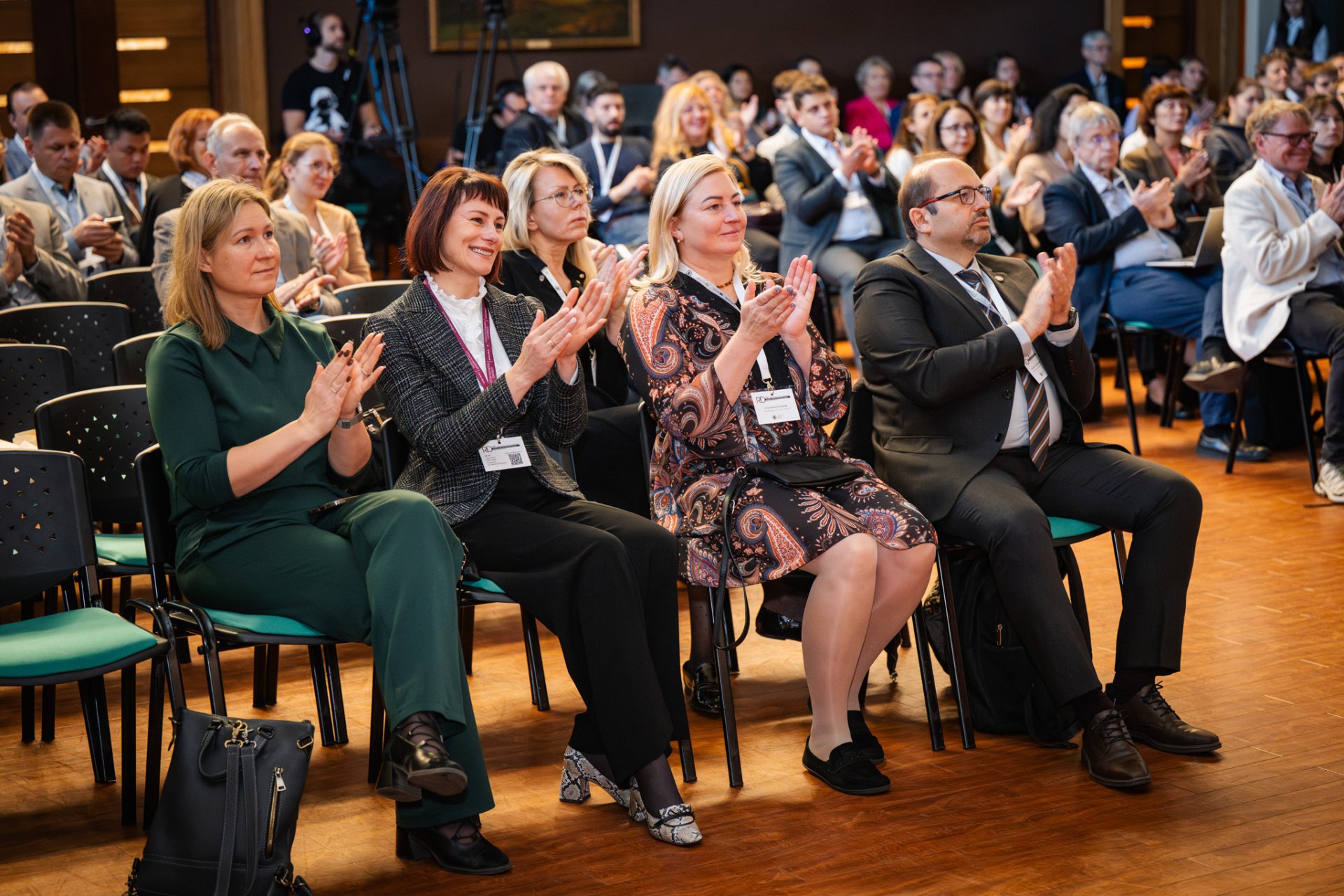
Policy, Science, and Business Discussion: Highlights of the Forthcoming EU Bioeconomy Strategy
During the conference, Dr. Michael Losch, representative of the European Commission’s Directorate-General for Agriculture and Rural Development (DG AGRI), presented the forthcoming EU Bioeconomy Strategy.
Dr. Rasa Pakeltienė, coordinator of the Lithuanian Bioeconomy HUB and Associate Professor at the VMU Agriculture Academy’s Faculty of Bioeconomy Development, shared insights from the perspective of the national strategy and the Lithuanian Bioeconomy HUB participants.
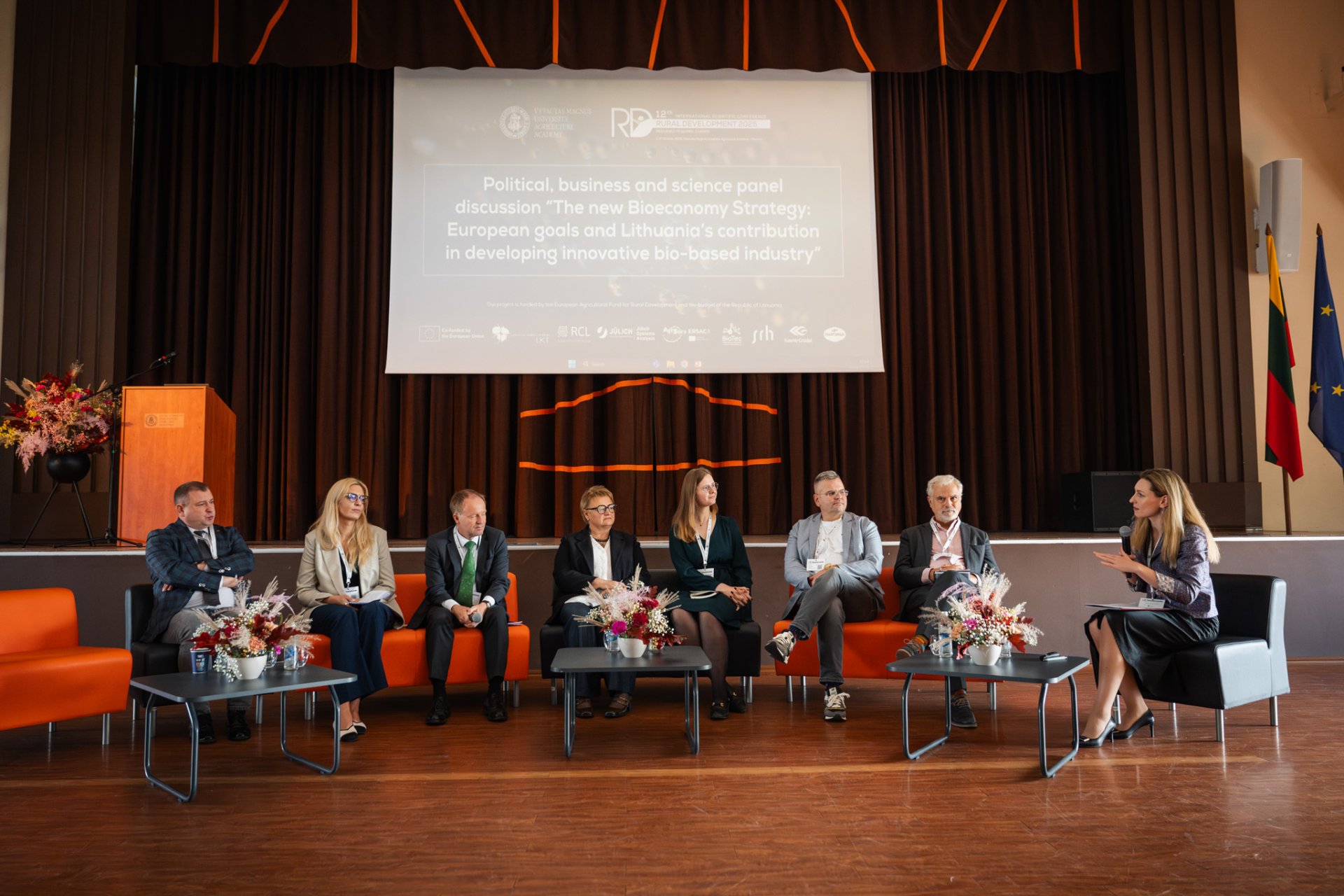
A policy–science–business discussion followed these two keynotes, joined by Dalia Miniataitė, Senior Adviser at the Ministry of Agriculture of the Republic of Lithuania; Rugilė Skvarnavičiūtė, Product Strategist at the Lithuanian Investment Promotion Agency “Invest Lithuania”; Dainius Kižauskas, Director of the Association of Lithuanian Agricultural Cooperatives; Justinas Taruška, CEO of the biotechnology company “Nando”; and Dr. Michel Boër, Director General of AnaEE-ERIC – the European Research Infrastructure Consortium for the Analysis and Experimentation on Ecosystems.
The discussion, moderated by Virginija Kargytė, Vice President of the association “LithuaniaBIO”, explored the key directions of the upcoming EU Bioeconomy Strategy, major trends in Europe’s bioeconomy industries, and Lithuania’s potential to expand the production of innovative, high value-added bioeconomic products and related services.
Integrating Disciplines – A Comprehensive Approach to Contemporary Issues
During the conference, scholars exchanged insights and experiences across four thematic sections:
“Biosystems Engineering for Sustainability”, “A Multifunctional Approach to the Sustainable Use of Biological Resources”, “Climate-Resilient Agriculture and Food Technologies” and “Social Research and Innovations for Strengthening Rural Areas.”
According to Dr. Laima Skauronė, Researcher at the VMU Agriculture Academy’s Bioeconomy Research Institute and Chair of the Conference Organizing Committee, the event integrated not only agricultural topics but also perspectives from the social, engineering, environmental, economic, and political sciences.
“Such integration of different disciplines enables a complex exploration of rural development issues – from technological innovations to social solutions,” said Dr. Skauronė.
She added that the international conference focused on the challenges and opportunities of sustainable rural development and transformation, bioeconomy growth, agroinnovation deployment, and social responsibility in the context of global change.
“We are united by a shared goal and vision – to examine, discuss, and strategize how bioeconomy businesses and rural communities can adapt, thrive, and lead in an era of rapid and often unpredictable transformation,”
emphasized Professor Dr. Astrida Miceikienė, VMU Vice-Rector for Strategic Development and Finance and Chair of the Conference Scientific Committee.
As per tradition, the conference also featured a poster session, providing researchers with the opportunity to present their work visually and engage in direct discussions with attendees. These sessions enriched the core conference themes through additional topics and perspectives.
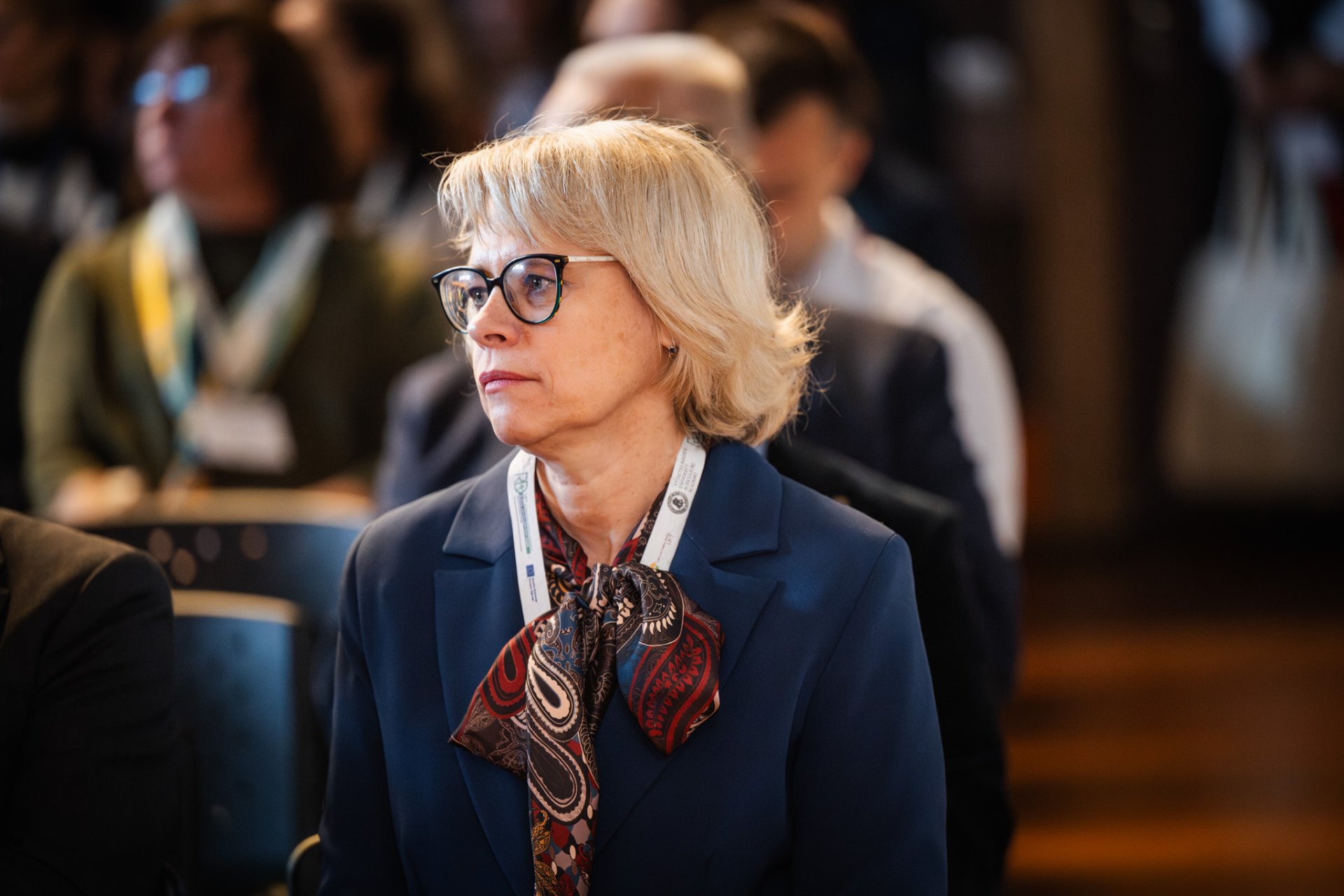
Dr. Laima Skauronė, Researcher at the VMU Agriculture Academy’s Bioeconomy Research Institute and Chair of the Conference Organizing Committee
International Cooperation as a Catalyst for New Scientific Partnerships
Dr. Laima Skauronė, Researcher at the VMU Agriculture Academy’s Bioeconomy Research Institute and Chair of the Conference Organizing Committee, expressed delight at the large number of participants – attendees came from 22 different countries.
In total, the conference featured 157 presentations, including six inspiring plenary lectures.
According to Dr. Skauronė, the plenary and section discussions revealed that resilience to global changes in the context of rural development is a crucial topic not only for Europe but also for global agricultural sustainability.
She emphasized that the VMU Agriculture Academy has become a platform for sharing best practices and experiences:
“Participants from various countries had the opportunity to compare their research findings in a broader international context, share insights, and learn from one another.
For example, successful rural development initiatives in France, Germany, or Japan may inspire new solutions in Lithuania – and vice versa.
Internationality also fosters the creation of new research collaborations: many scholars who meet at this conference later embark on joint projects and prepare international research proposals.
This long-term impact extends well beyond the event itself.”
Dr. Skauronė added that the broad geographical diversity of participants created a multicultural environment, promoting a wider understanding of global change, challenges, and problems.
“Such openness to the world increases both the visibility of the University and of Lithuania in the international scientific arena, showcasing our active role in addressing issues of rural development and bioeconomy resilience to global changes,” she said.
The 12th International Scientific Conference “Rural Development 2025: Resilience to Global Change” stood out for its global scope – in both content and participation.
Foreign guests were especially impressed by the cultural program of the event – the Gala Dinner evening, filled with Lithuanian traditions. The warm atmosphere was created by the VMU Agriculture Academy folk band “Ūkininkas” and the dance ensemble “Sėja”. Music, songs, and dances became a cultural bridge connecting participants from different countries and revealed the spirit of Lithuanian hospitality and international fellowship.
Conference participants also had the opportunity to explore Kaunas city, visiting historical and cultural landmarks during a guided tour, and on the final day, enjoyed the serene beauty of the Birštonas resort, which left a lasting impression with its cozy atmosphere and harmony with nature.
Summarizing the event, Professor Dr. Astrida Miceikienė, Chair of the Scientific Committee, stated that although the next conference will take place only in 2027, planning has already begun regarding its thematic continuity, new international partnerships, and a deeper dialogue between science and practice – to further strengthen the University’s role in shaping Europe’s rural development and bioeconomy directions.
The organizers extend sincere gratitude to the conference partners and sponsors – AgroServ ERSAC, Jülich Forschungszentrum, SRH University, the Lithuanian Rural Network, the Research Council of Lithuania, the Bioeconomy Research Institute’s Centre of Excellence for Bioeconomy Research (BioTEC) at the VMU Agriculture Academy, AB Kauno Grūdai, and UAB Mantinga – for their significant contribution and support.
The event was implemented under Project No. LKT-PK-24-2-06554-PR001, financed through the Lithuanian Rural Network measure of the Lithuanian Agricultural and Rural Development 2023–2027 Strategic Plan.
The project was supported by the European Agricultural Fund for Rural Development (EAFRD) and the budget of the Republic of Lithuania.
The scientific event also received funding from the Research Council of Lithuania (LMTLT) under Agreement No. P-MOR-25-23.
New VMU Rector Prof. Dr. Dabašinskienė: a University Must Also Be a Centre of Moral Leadership
As of October 1, the new rector of Vytautas Magnus University (VMU) begins her work – academician and professor Ineta Dabašinskienė. “Leading a university is a huge responsibility, but also an opportunity to create meaning: to unite the academic community for a common task. Our goal is not only to respond to today’s needs, but also to shape the horizons of the future. A university is strong to the extent that it remains faithful to its fundamental values: academic freedom, critical thinking, creativity, and holistic education. This conviction, grounded in the principles of liberal arts, is our firmest support and our main direction,” notes the VMU rector, in a conversation discussing the universities of the future, community-based leadership, today’s students’ values, and ways to unwind after intensive work.
What role do you see for universities today and in the future?
Universities must remain centres of knowledge and free inquiry, while at the same time addressing contemporary needs linked to technological, economic, and social innovations. For example, artificial intelligence – already a part of everyday life – should remain a helper, not a decision-maker replacing humans; therefore, it is essential to cultivate the ability to critically evaluate these tools and use them responsibly.
Resilience is particularly important for universities today – and here we are speaking not only about infrastructure or technologies. To operate successfully amid geopolitical and economic unpredictability and various risks, and still promote long-term change, universities must maintain a moral backbone, strengthen a culture of trust, and set an example of responsibility for society.
I also see the university of the future as a hotbed of innovation and progress. Here, diverse expert competencies are acquired, interdisciplinary modes of working are understood and practiced, and free, responsible, noble individuals are educated: people who have the courage to act, to take risks, and to make mistakes.
A university must also be a place of moral leadership. Living in an era of information noise and competition, we must strive to create an atmosphere of trust, dialogue, and cooperation, defend universal human values, and remain open to the world’s diversity. A university must set an example that honesty and compassion can change the world. In my vision, I see VMU as a university that unites tradition and modernity, is open, bold, responsible, empathetic, and capable of surprising both Lithuania and the world with its achievements.
How do you understand leadership? Which qualities do you value most in a leader?
I take a contemporary view of leadership: I do not see a leader as strict and all-knowing. Much more important is a community-minded leader who listens. I value leadership that is democratic – based first and foremost on dialogue and empathy. A university is alive only when each of its members feels responsible for change.
Therefore, among my first tasks will be to involve the community in decision-making. Decisions should not be made behind closed doors but should be born in discussions where different voices and opinions are heard. We will organize working groups dedicated to various essential areas of university activity: from the research ecosystem and budget planning to the integration of artificial intelligence and alumni engagement.
What do you see as the biggest challenges in Lithuanian higher education?
I see great potential for our country to stand out internationally for the quality of its higher education. But I also see three core problems: weak trust between the state and universities, a demographic crisis, and constant reforms that destabilize the entire system.
Lithuanian higher education institutions are strong, but they could compete even more in the world and in Europe if there were less control and more trust. Excessive regulations and lengthy approval procedures hinder innovation. My aim is less bureaucracy and more real experimentation and digitalization.
University autonomy must be understood as a necessary condition for high-quality activity and for the advancement of research and studies. This is genuine academic freedom: the right to doubt, discuss, and pose questions. It is also a commitment to strive for the highest quality, to be accountable for one’s words and actions, to defend one’s views, and to serve as a moral compass. All of this begins with trust: the state must allow universities to operate more freely, and universities, in turn, should demonstrate transparency and results.
How do you see today’s youth and what could attract them to the university today?
Increasingly, we see that young people choose studies not for a piece of paper with a stamp, but for the opportunity to act and create. It matters to them that studies allow for experimentation, joining different teams, and solving issues that truly change the world: from climate change to social equality or the ethics of artificial intelligence. VMU’s response is studies that take place not only in the classroom but also in real projects. Here, students see the entire process – from idea to implementation – learning to collaborate, take responsibility, and take real action.
VMU will offer an increasingly interdisciplinary path: joint modules where technology, languages, law, or business meet, along with the creative freedom to try oneself in different fields. We want – and will strive – to ensure that during their studies, young people discover not only professional knowledge but also themselves: their strengths, talents, and calling. That they gain practical experience, engage in meaningful activity, and feel that they can not only learn but also create, contribute, and effect change.
It is very important to understand that the University is a special place in life where ideas and friendships are born, social networks are formed, and circles of like-minded people take shape. Students meet friends with whom they will share experiences for a lifetime and with whom they will create joint projects, businesses, or ideas for the future. It is not only the content of studies but also a community of life that becomes a support for the entire path ahead.
In your program you name four strategic directions on which VMU’s future will be based. What are the most important priorities for the university’s future?
A responsible community: an academic family in which transparency, mutual support, and empathy are everyday realities, and where faculty autonomy and the student voice have real power to change decisions. Open studies: a modern, flexible system grounded in renewed liberal arts principles, enabling more harmonized study modes and lengths, in which theoretical insights are reinforced in real situations, developing both professional and life skills.
Ambitious research: a strategic direction that fosters international projects based on innovation, strengthens doctoral studies, and promotes open science principles so that Lithuania’s distinctive research fields become part of the global academic community. I believe we must participate more actively in ensuring the region’s and the country’s future security – the university is a space where science, technology, innovation, and practical solutions meet. By collaborating with partners in business, industry, the state, and municipalities, we must concentrate academic potential to create not only knowledge but also products and value that meet society’s real needs today. Finally, resilient infrastructure – this is not only modern laboratory buildings or technologies, but also a sustainable, digitized, and secure environment in which the entire community can comfortably live, work, and create.
With everyone united in work, these directions will, in my conviction, allow the university to grow and strengthen, and VMU will become a centre of attraction in Lithuania – a space that not only inspires the pursuit of academic heights but also cultivates responsibility, dialogue, and faith in shared values.
This summer, shortly after the rector’s election, you travelled extensively abroad, visiting universities in Latvia, Norway, France, Ukraine, and the United States. Will these business trips help in adopting their best practices?
Absolutely. Each university offered a valuable, distinctive perspective on higher education management, but the visit to the Massachusetts Institute of Technology (MIT) – one of the world’s leading and most advanced universities – left the greatest impression. MIT experiments boldly, combining technology and the arts, solving real-world problems in laboratories, and operating quickly, without major bureaucratic obstacles. They provide an excellent example of effective work in interdisciplinary teams and active collaboration with businesses and other sectors.
This year, VMU together with other Lithuanian universities and business partners joined the MIT MISTI program, which opened up opportunities for broad cooperation and, we hope, will contribute to modernizing the country’s education, creating high-qualification jobs, and developing innovation and technology. It is truly gratifying that VMU is coordinating this highly promising collaboration.
No less exceptional were the meetings with the Ukrainian academic community. Our colleagues from Mariupol State University, currently operating in Kyiv, are a true symbol of resilience. It is impossible to put into words the strength of the Ukrainian people, living amid constant sirens. Mariupol University continues to operate successfully even during the war, having preserved its community and international ties. Resilience is not only about buildings or technologies but also about people: their courage, faith, trust, and hope. We have much to learn from them.
How do you relax after intensive workdays and visits?
I try to slow down: sometimes a conversation with family over dinner, a walk, or simple exercise is enough. If I have more time, a book helps – usually philosophy and essays, but I also enjoy good fiction. Poetry in the evenings is a true respite. In my free time, I like to watch French, Central and Eastern European cinema, and listen to various kinds of music – from classical and opera to contemporary symphonic, popular music, and jazz. I’m quite a universal listener and viewer: many things interest me, as long as they are of quality, inspiring, or capture a mood and emotion.
This summer I realized that sometimes you don’t need mountains or seas for perfect rest – peace and quiet at home is enough, and I miss it very much because I often have to travel. My perfect weekend would be simple: no meetings, at home, with a good film or book, tasty food, and light conversation. Sometimes precisely such quiet and simplicity become a true luxury.
Which person or experience most inspired or shaped your values?
I believe the foundations of my values were laid by my family, and later by the teachers, friends, and companions I met, and the books I read. Everything I carry in my mind and heart has shaped my path. Life at VMU has become a special space: I found a wide field of horizons here, opportunities for deepening, and a sense of community. Dear friends Leonidas Donskis, Egidijus Aleksandravičius, and many other colleagues whom I consider true pillars of the university have been very important. But I have also been influenced by people I met during travels and authors I discovered. I could say I’m “infected” with Vytautas Kavolis’s “virus”: his ideas about the nobility and freedom of the individual, and responsibility. Values for me are not just theory – they reveal themselves in creating and maintaining relationships, in making choices, in everyday actions. It is not by words but by deeds that we show what truly matters to us: that is what I strive for, and will continue to strive for, in my life and work.
Information on Enrolment into Study Subjects
The first stage of the Autumn Semester 2025/2026 registration for lectures, seminars and laboratory work will take place on 21–26 August. At this stage, the registration is open to:
- Full-time and part-time students of bachelor’s and integrated studies (excluding 1st year students)
- Full-time and part-time students of master’s studies
- Full-time students of professional studies
- Part-time free-movers
- Part-time exchange students
Registration for first-year undergraduate and full-time students will take place on 28 August.
Enrolment will be conducted online only via the VMU Students’ Self-Service Portal at https://studentas.vdu.lt.
Students sign in using a username, which is name.surname (lowercase, Latin alphabet letters only), and a password.
If a student has forgotten their password, they can set up a new one at https://support.vdu.lt/. Instructions are available here: https://support.vdu.lt/pagalba/Migration_eng.pdf.
- About
- About Agri-Food BM programme
- Academic infrastructure units
- All events
- All news
- Aquaculture center
- Archives
- Biosystems Engineering
- Center of Animal husbandry selections, breeding values and dissemination
- Centre of Biosystems Engineering, Biomass Energetics and Water Engineering
- Circular Biobased Economy
- Climate change
- Contacts
- Contacts
- Events
- Events archive
- Faculties
- For business and society
- Innovative products
- International Cooperation
- International projects
- Joint Research Centre of Agriculture and Forestry
- Journal “Human and Nature Safety”
- Laboratory of Technology Safety
- Laboratory services
- Living Environment
- More labs
- News
- Project
- QUALS project description
- Research
- Research areas
- Scientific events
- Scope
- Sitemap
- Studies
- Study programmes
- Technology Transfer & Commercialization
- THE ROLE OF ORGANISATION IN THE PROJECT
- THE ROLE OF ORGANISATION IN THE PROJECT
- THE ROLE OF ORGANISATION IN THE PROJECT
- The Study Process
- Žemės ūkio žinių ir inovacijų sistemos klasteris